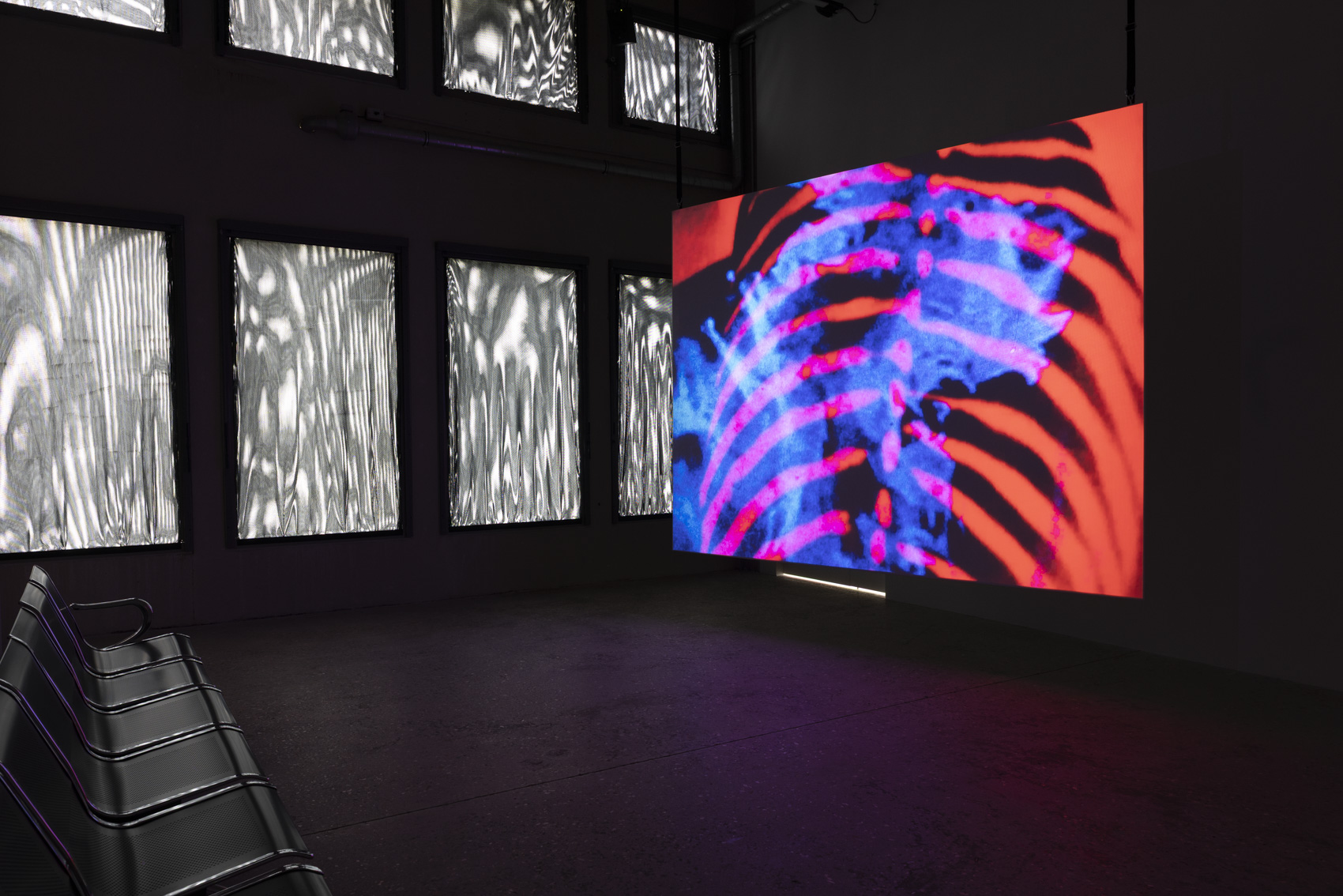
Exhibition view of Sandra Lahire, « Overexposed, like an X-ray », display by Jagna Ciuchta, Love Letter, 2026, Bétonsalon – centre for art and research, Paris, 2026. © Photo : Jagna Ciuchta / ADAGP, Paris 2026.

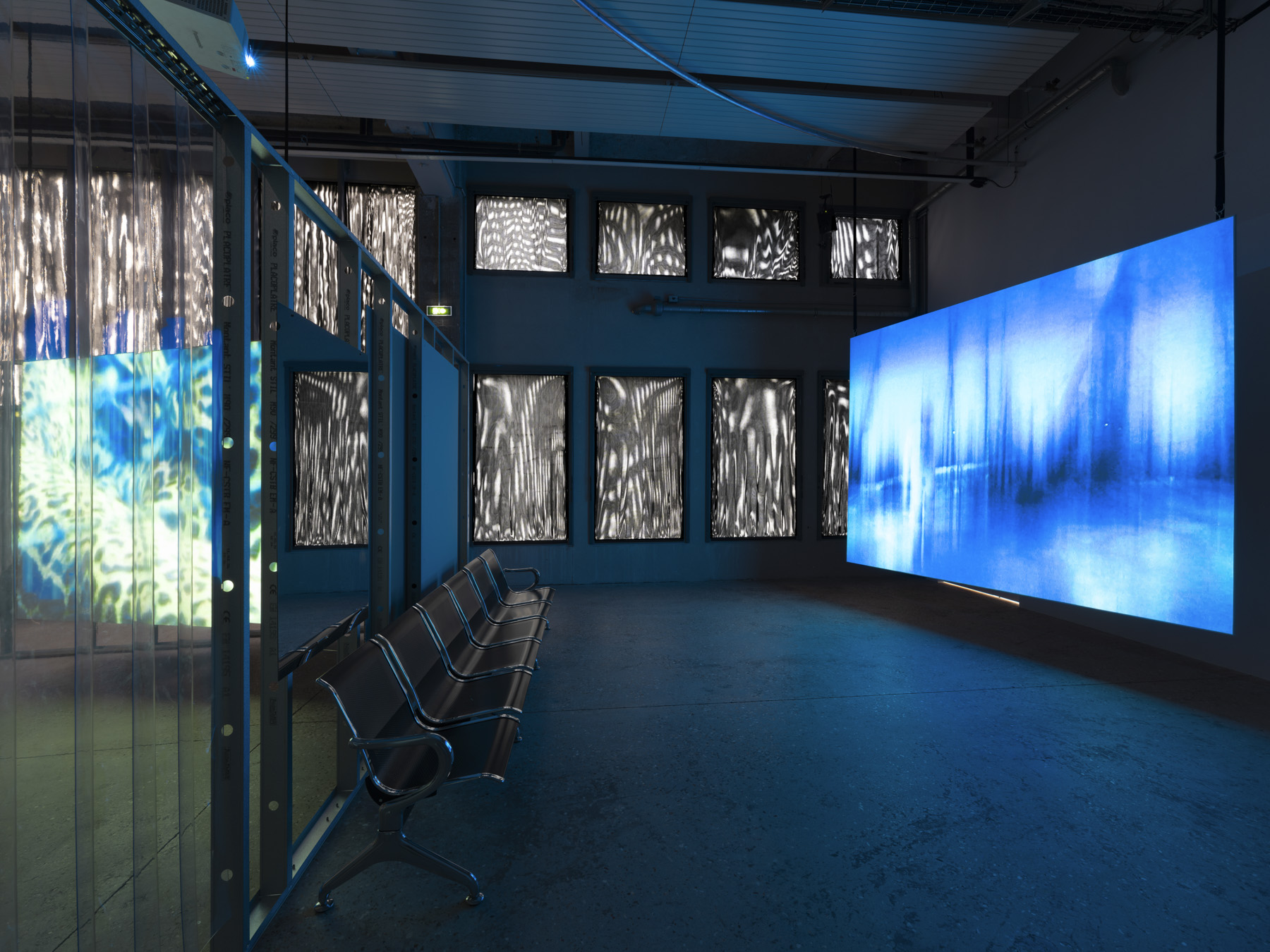
Exhibition view of Sandra Lahire, « Overexposed, like an X-ray », display by Jagna Ciuchta, Love Letter, 2026, Bétonsalon – centre for art and research, Paris, 2026. © Photo : Jagna Ciuchta / ADAGP, Paris 2026.
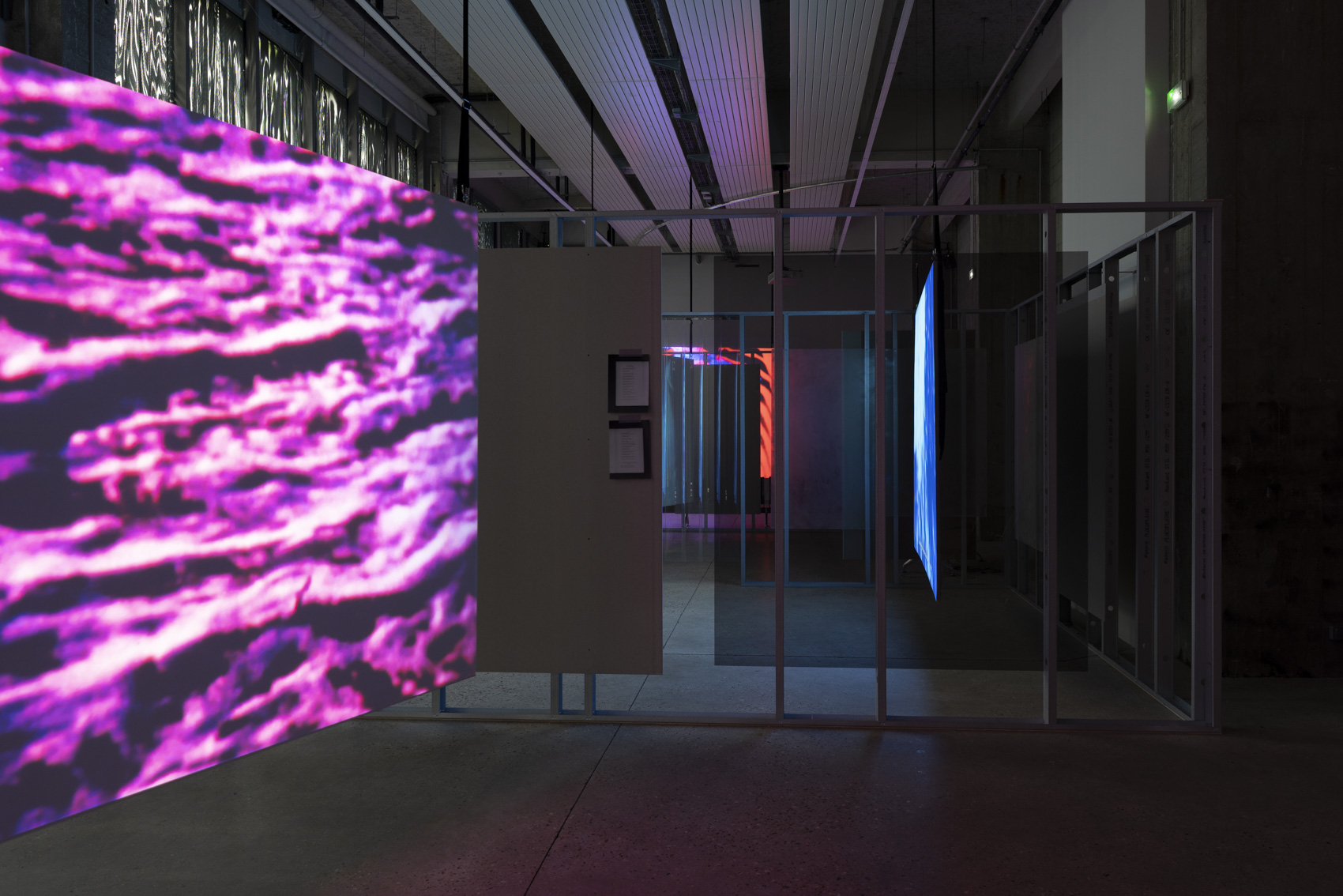
Exhibition view of Sandra Lahire, « Overexposed, like an X-ray », display by Jagna Ciuchta, Love Letter, 2026, Bétonsalon – centre for art and research, Paris, 2026. © Photo : Jagna Ciuchta / ADAGP, Paris 2026.
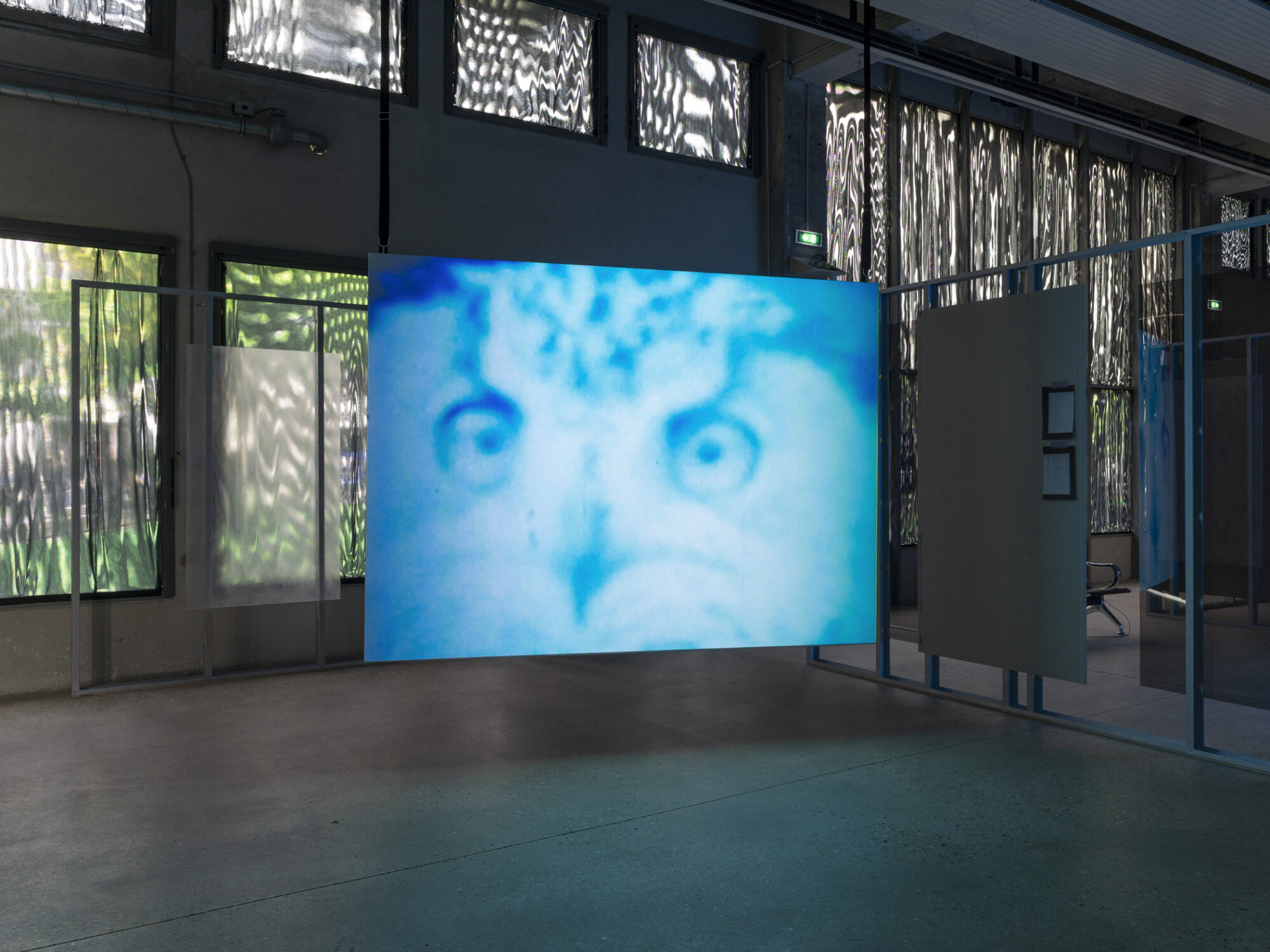
Exhibition view of Sandra Lahire, « Overexposed, like an X-ray », display by Jagna Ciuchta, Love Letter, 2026, Bétonsalon – centre for art and research, Paris, 2026. © Photo : Jagna Ciuchta / ADAGP, Paris 2026.
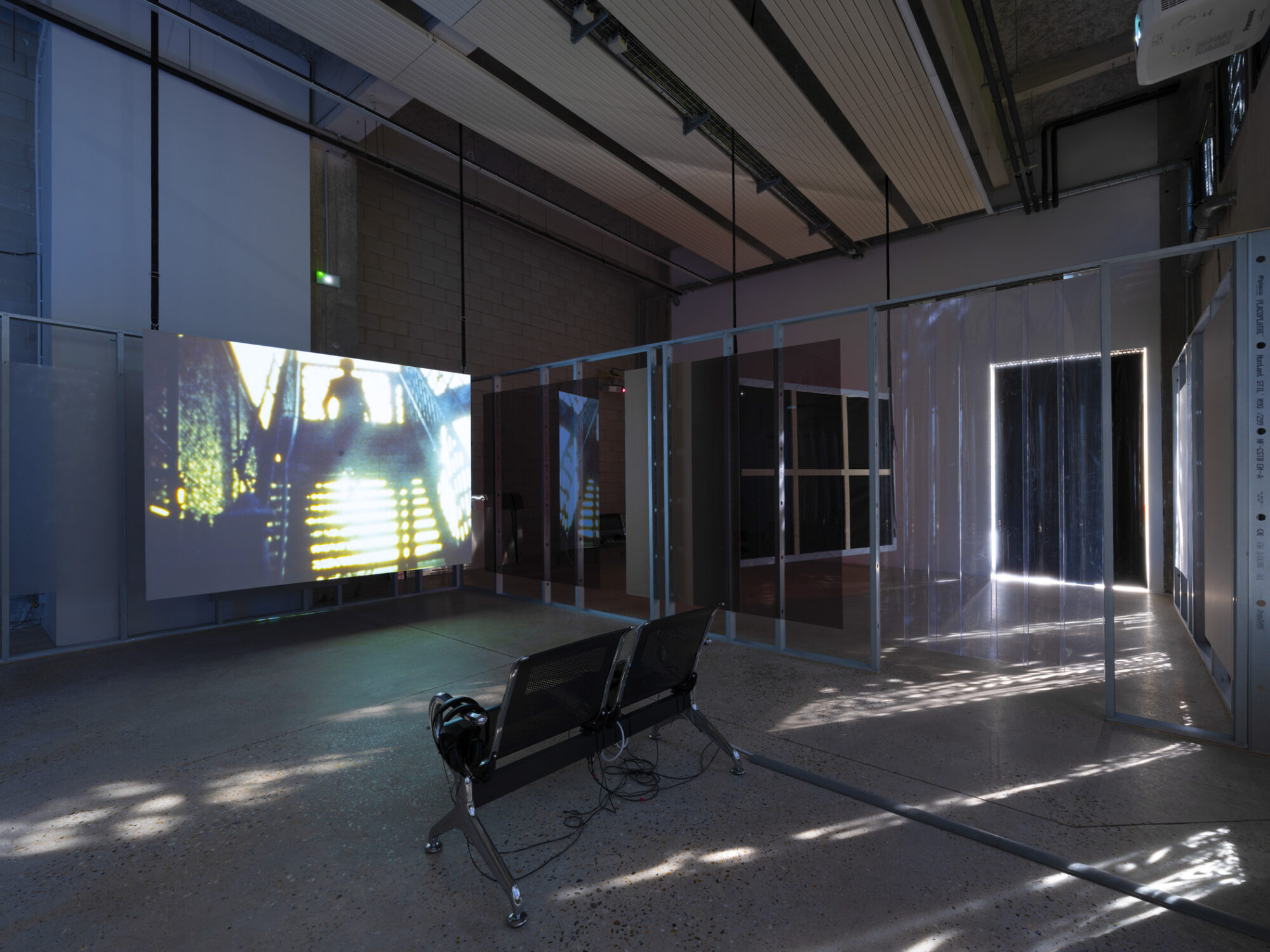
Exhibition view of Sandra Lahire, « Overexposed, like an X-ray », display by Jagna Ciuchta, Love Letter, 2026, Bétonsalon – centre for art and research, Paris, 2026. © Photo : Jagna Ciuchta / ADAGP, Paris 2026.
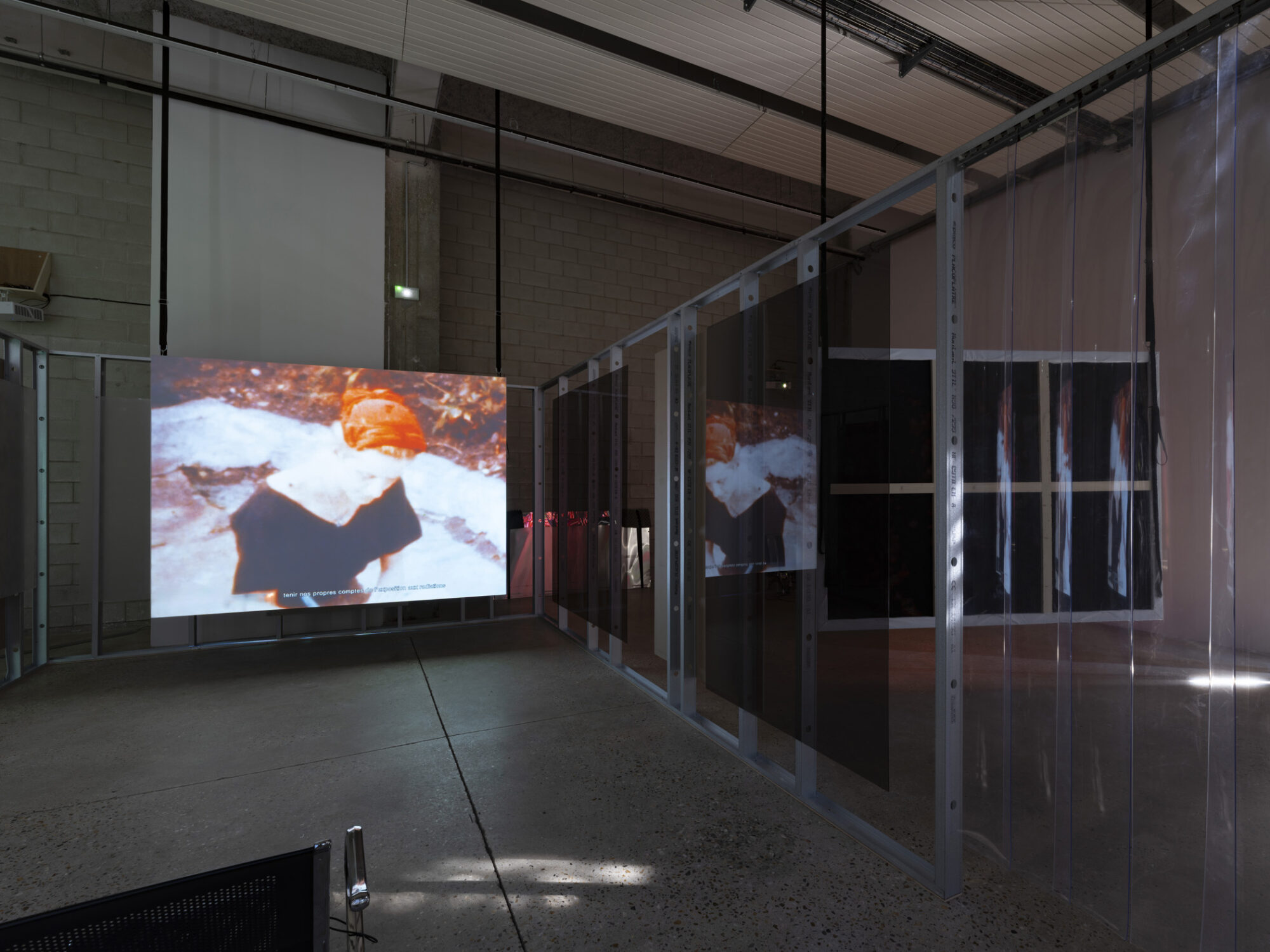
Exhibition view of Sandra Lahire, « Overexposed, like an X-ray », display by Jagna Ciuchta, Love Letter, 2026, Bétonsalon – centre for art and research, Paris, 2026. © Photo : Jagna Ciuchta / ADAGP, Paris 2026.
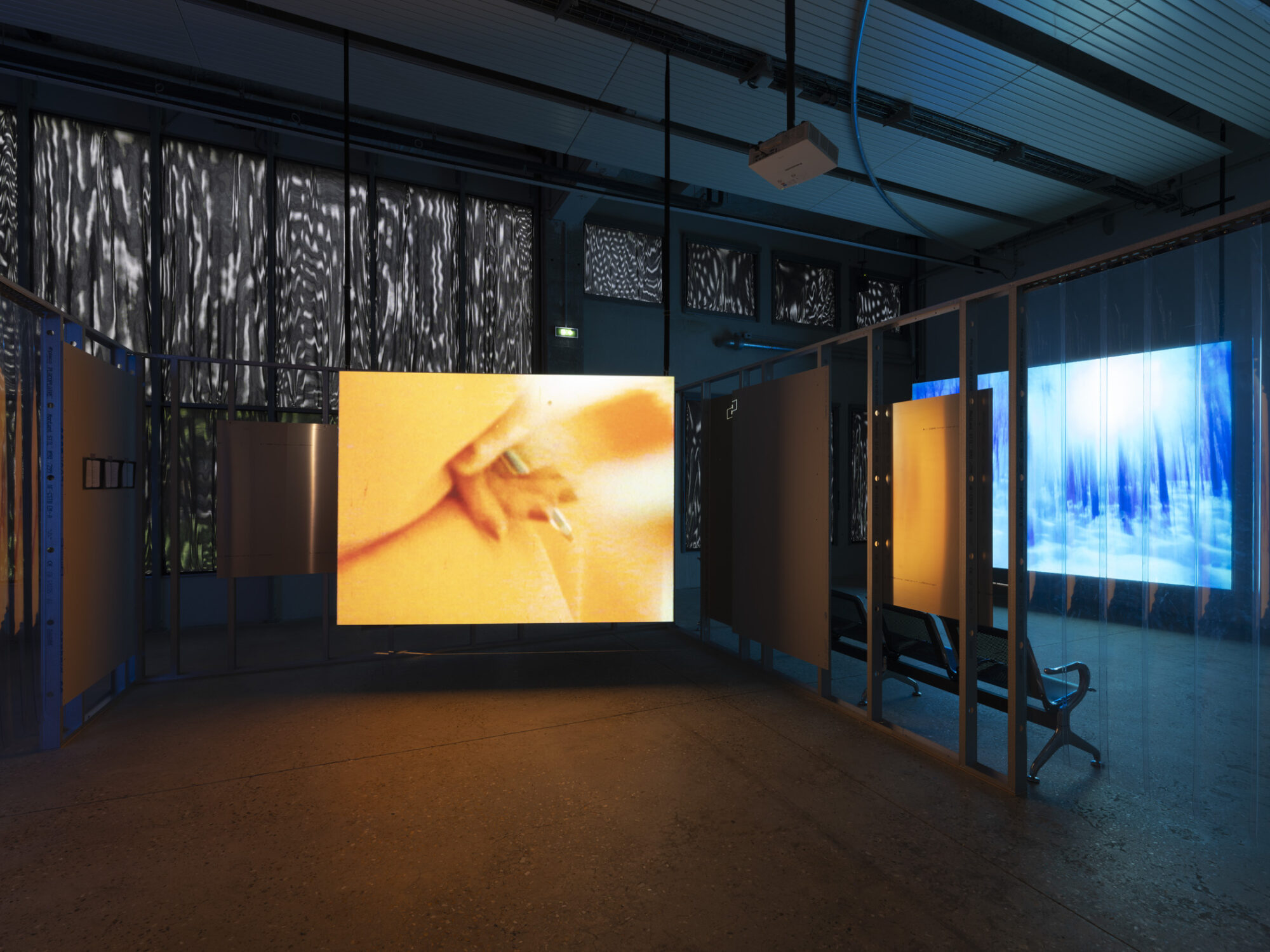
Exhibition view of Sandra Lahire, « Overexposed, like an X-ray », display by Jagna Ciuchta, Love Letter, 2026, Bétonsalon – centre for art and research, Paris, 2026. © Photo : Jagna Ciuchta / ADAGP, Paris 2026.
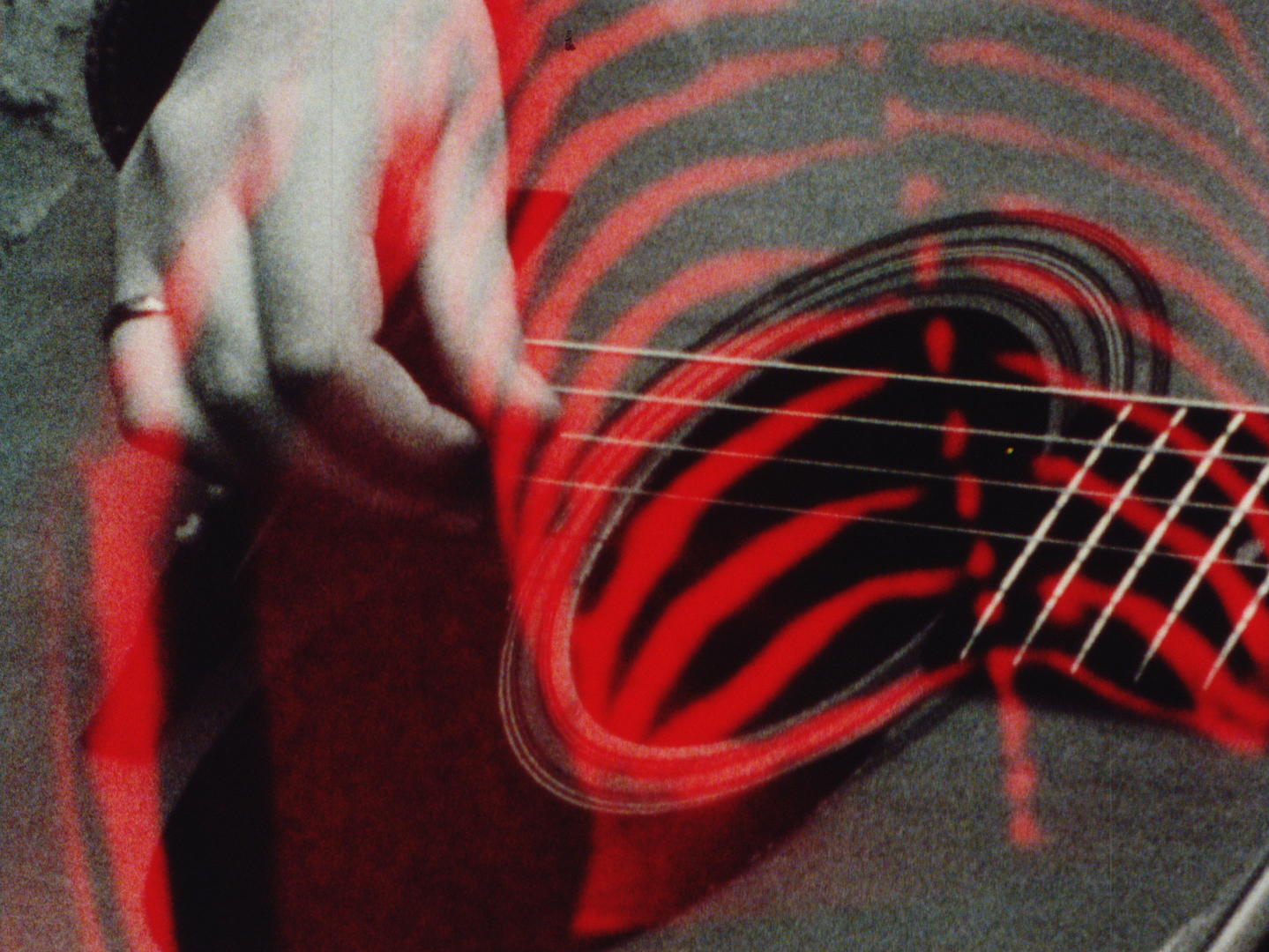
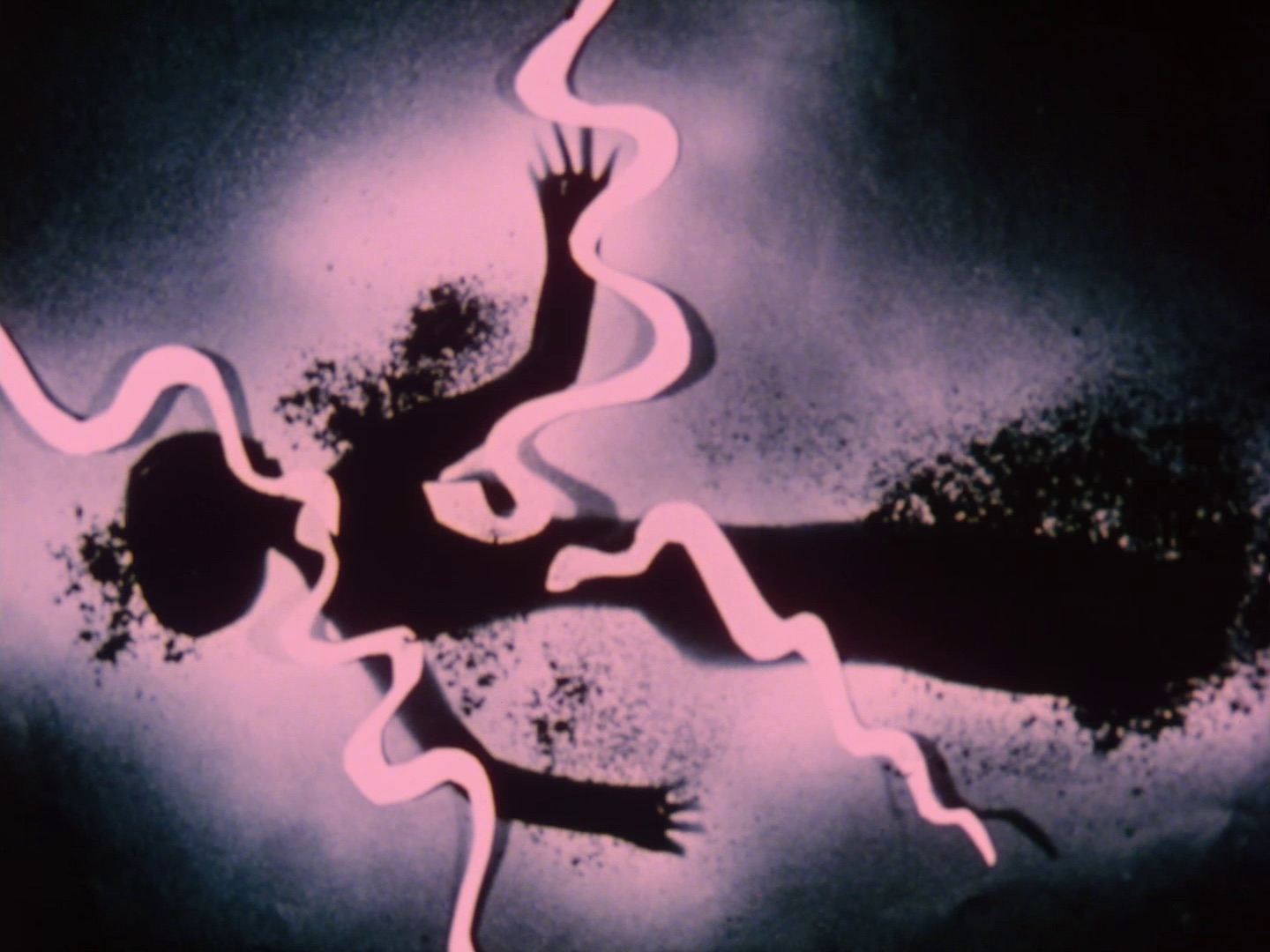
Sandra Lahire, Arrows, 1984, 16mm, digitized, 16’15”, Courtesy of Sandra Lahire and LUX, London.
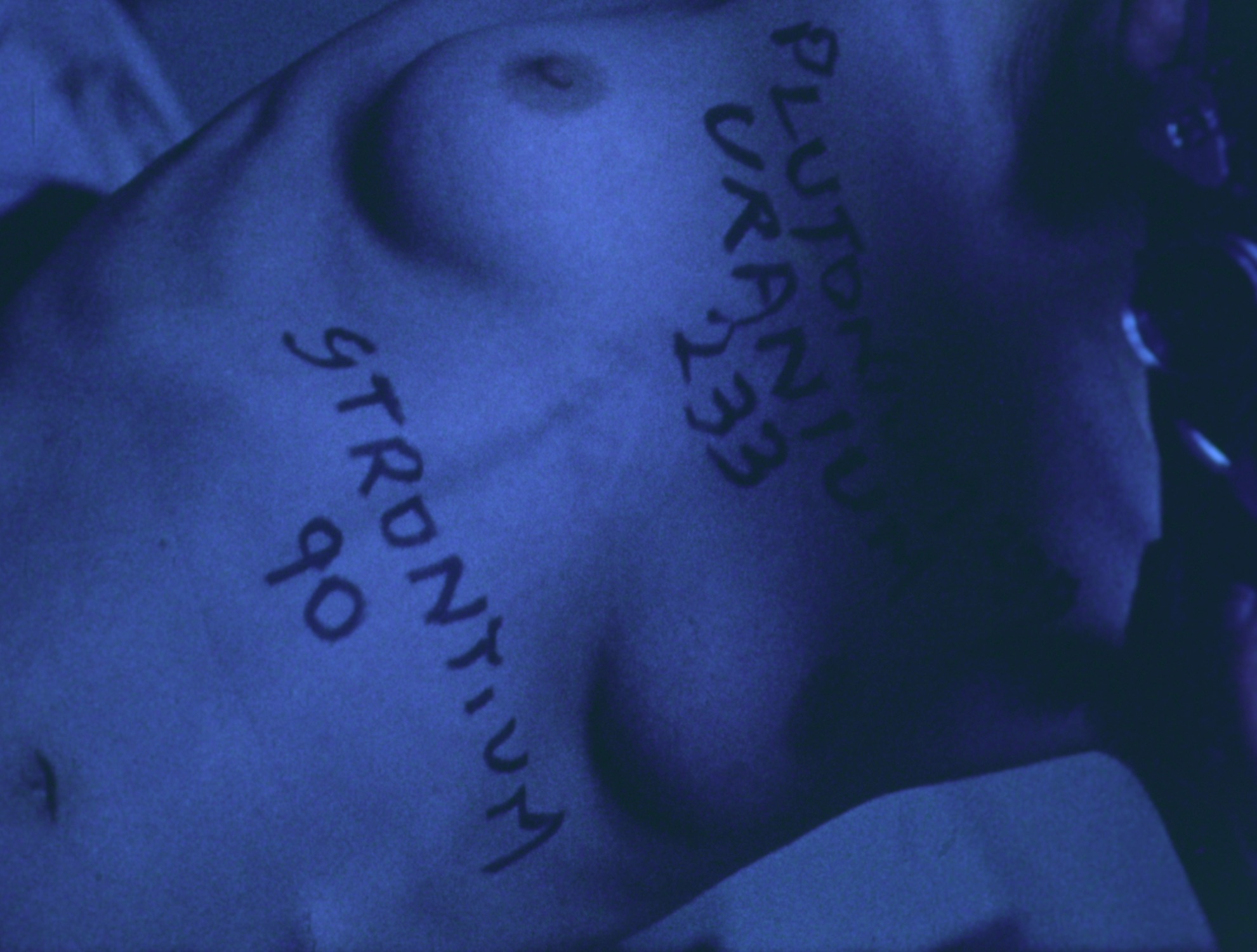
Sandra Lahire, Terminals, 1986, 16mm, digitized, 19’47”, Courtesy of Sandra Lahire and LUX, London.
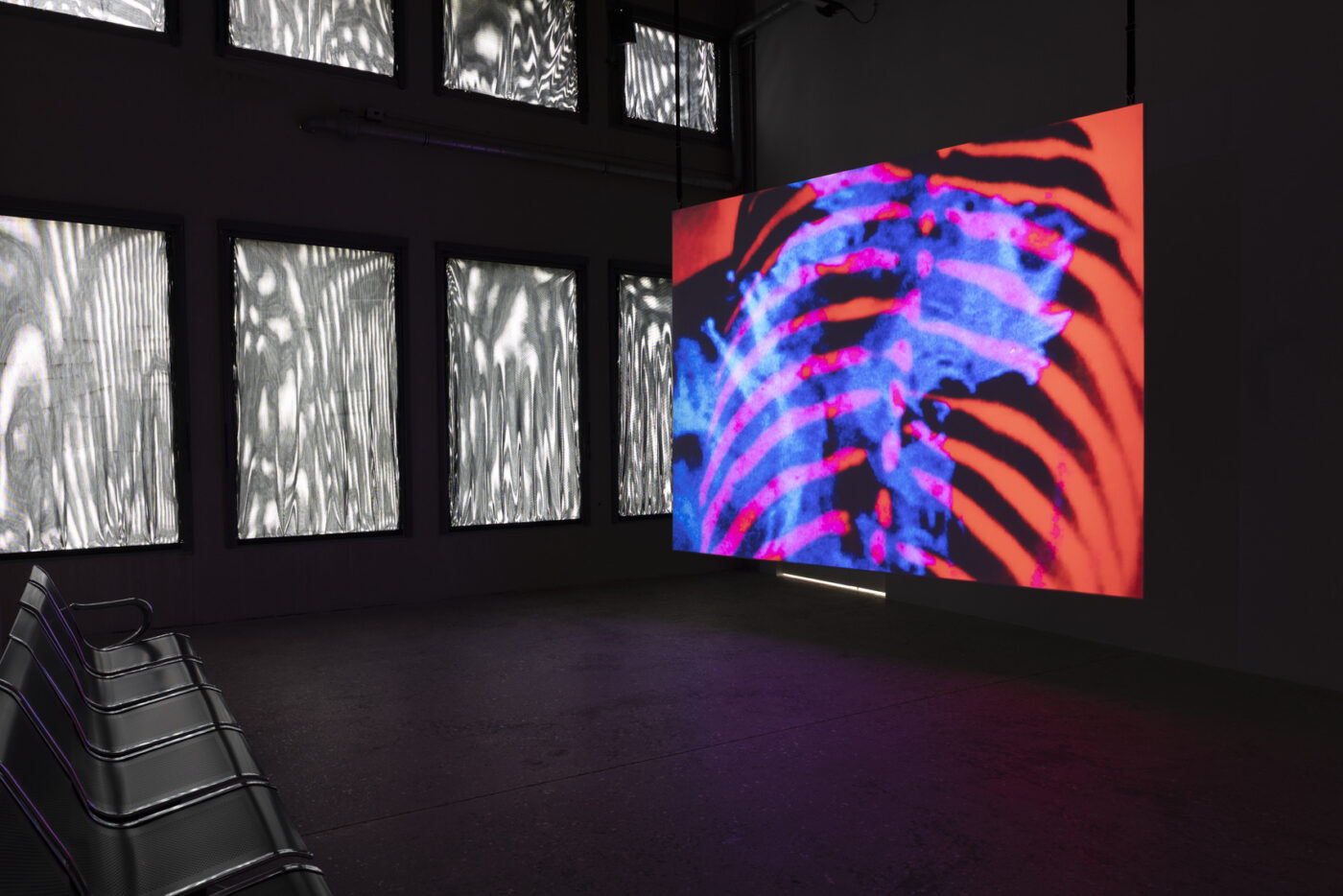
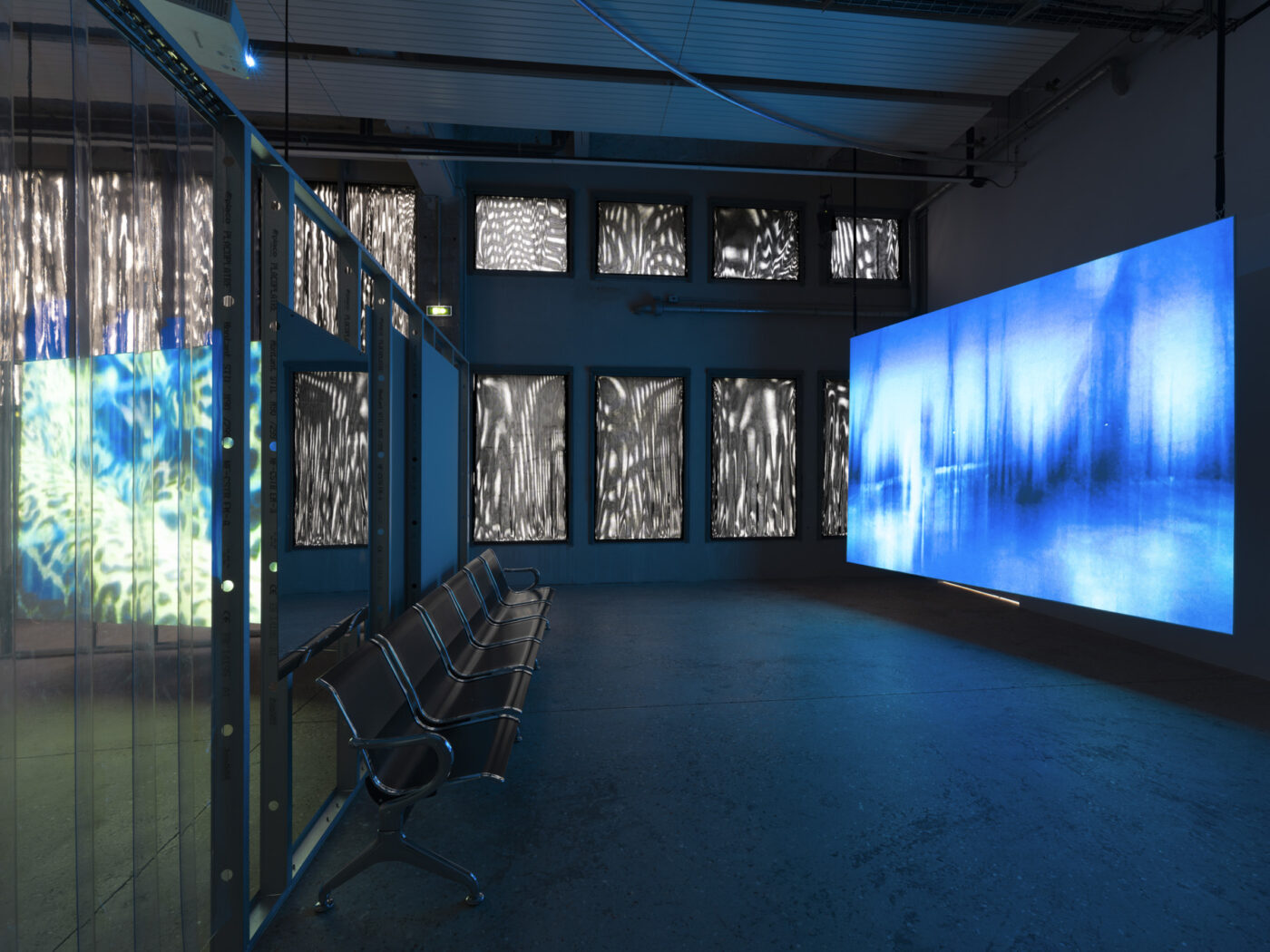
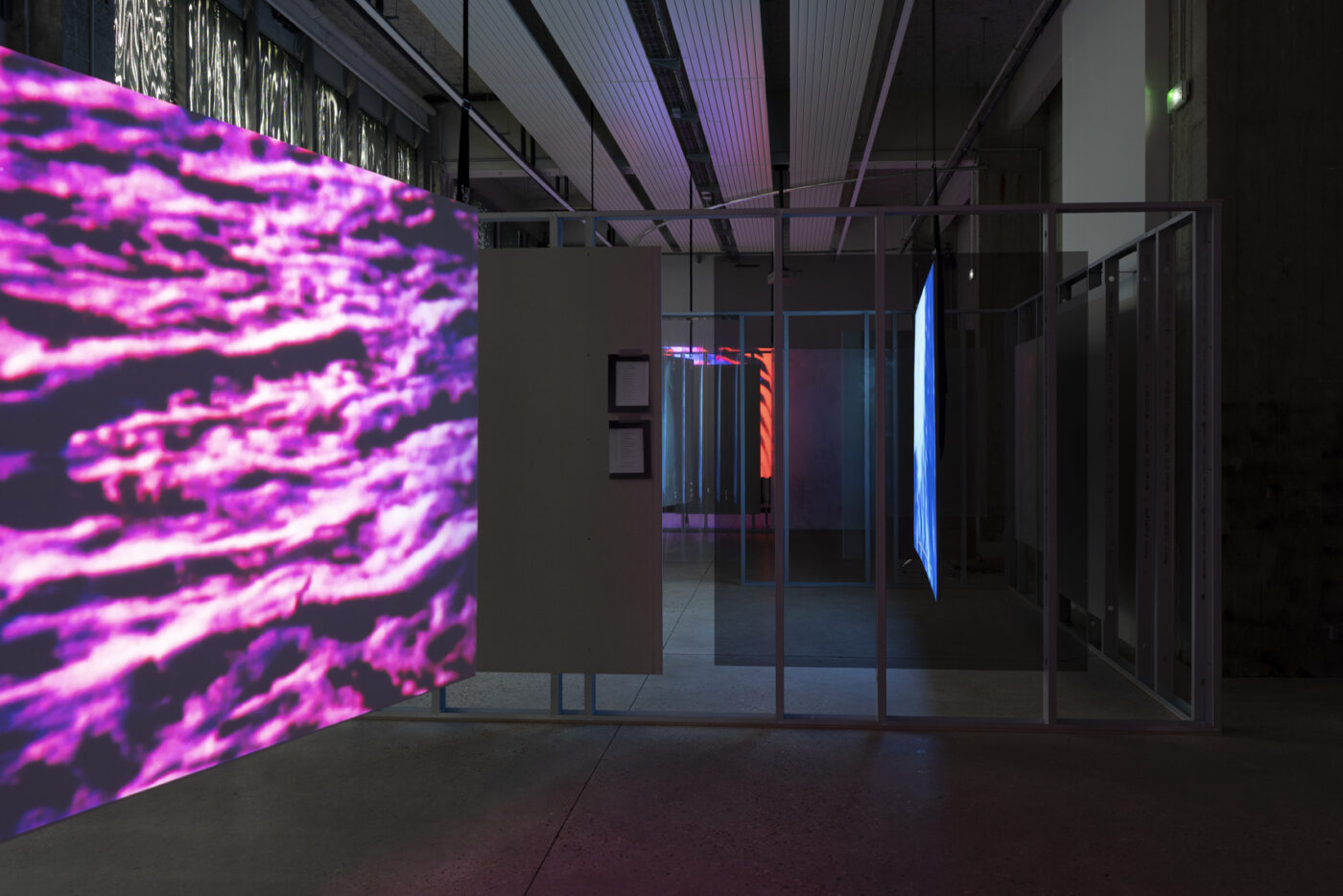
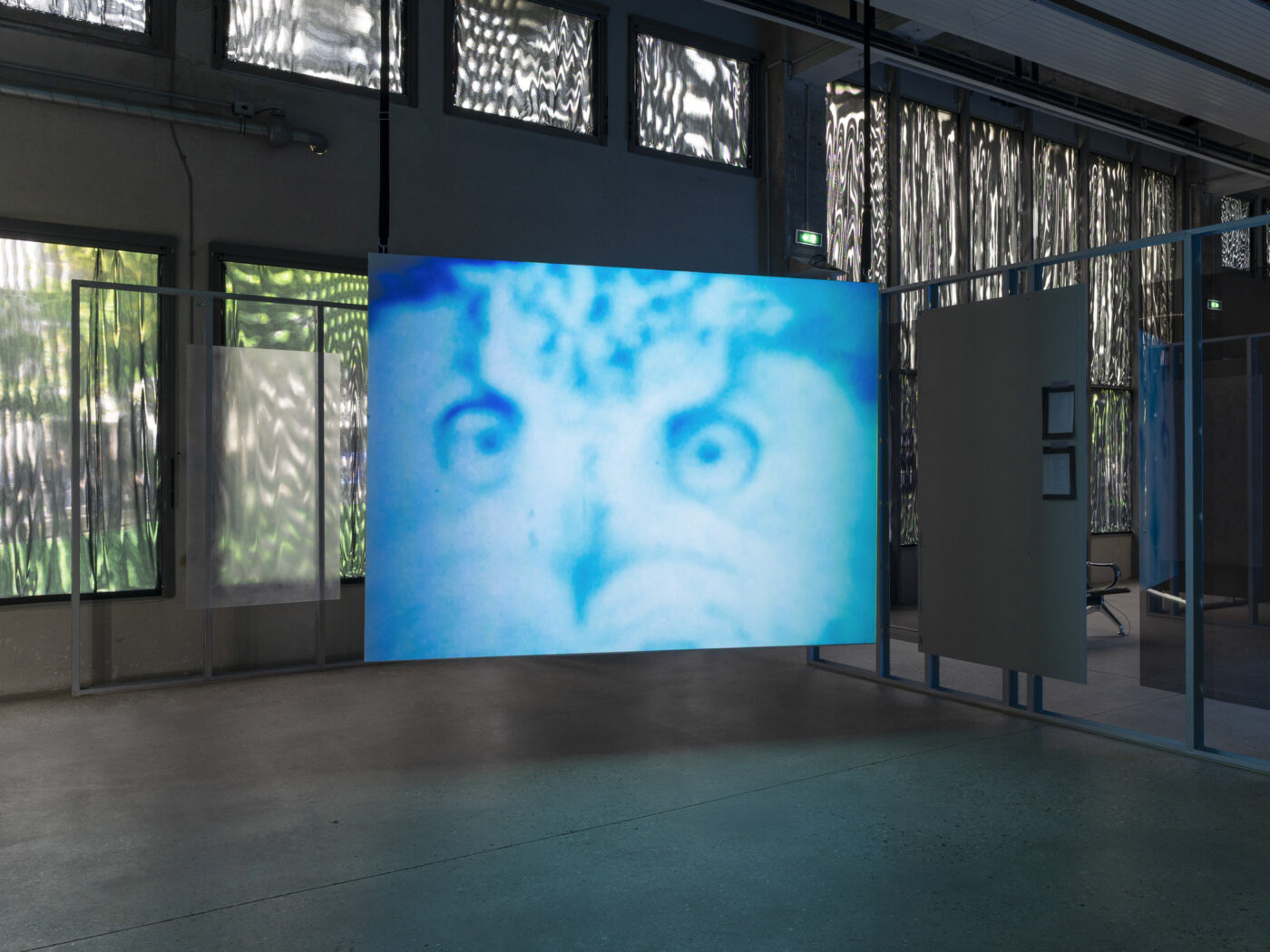
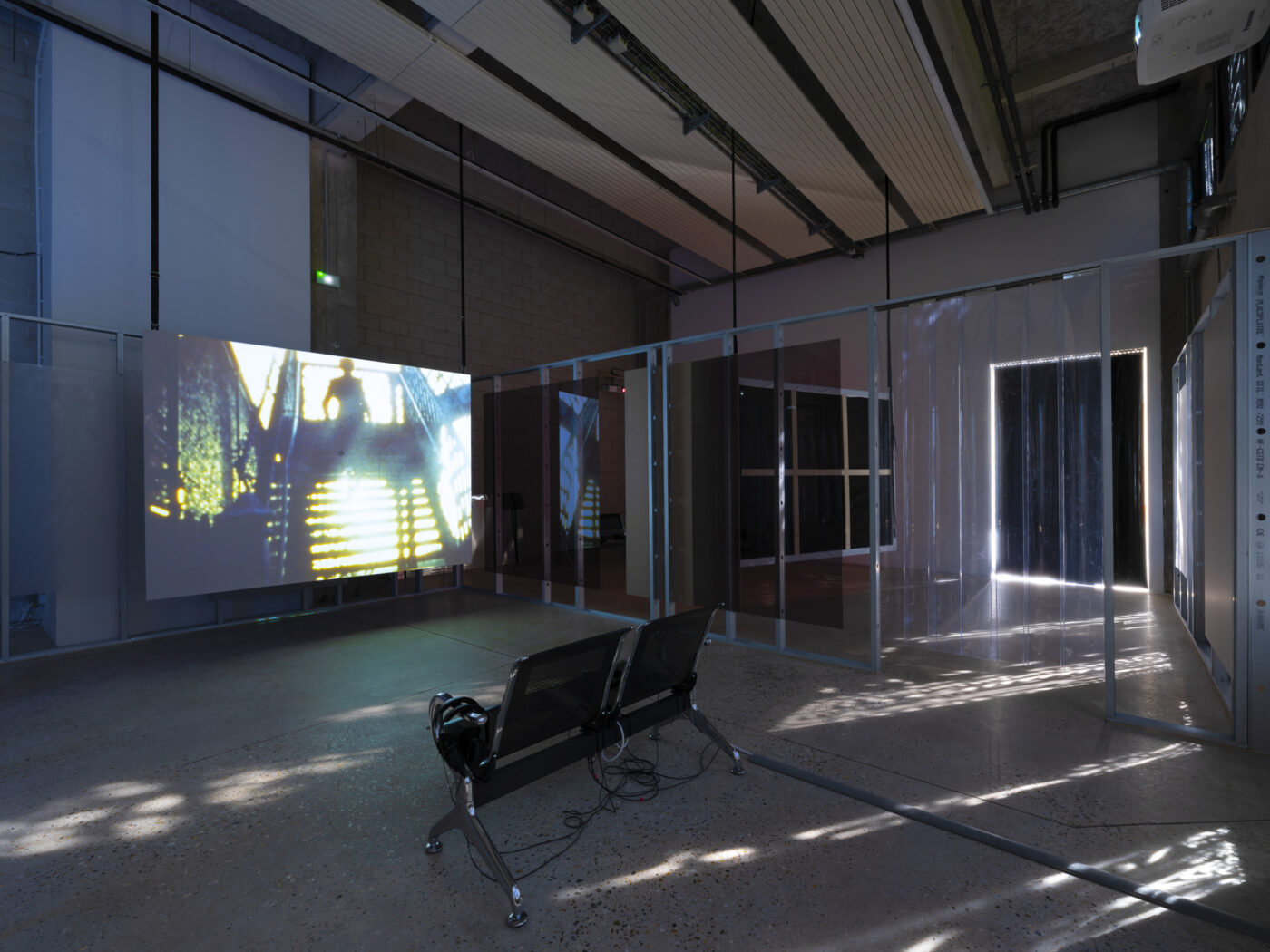
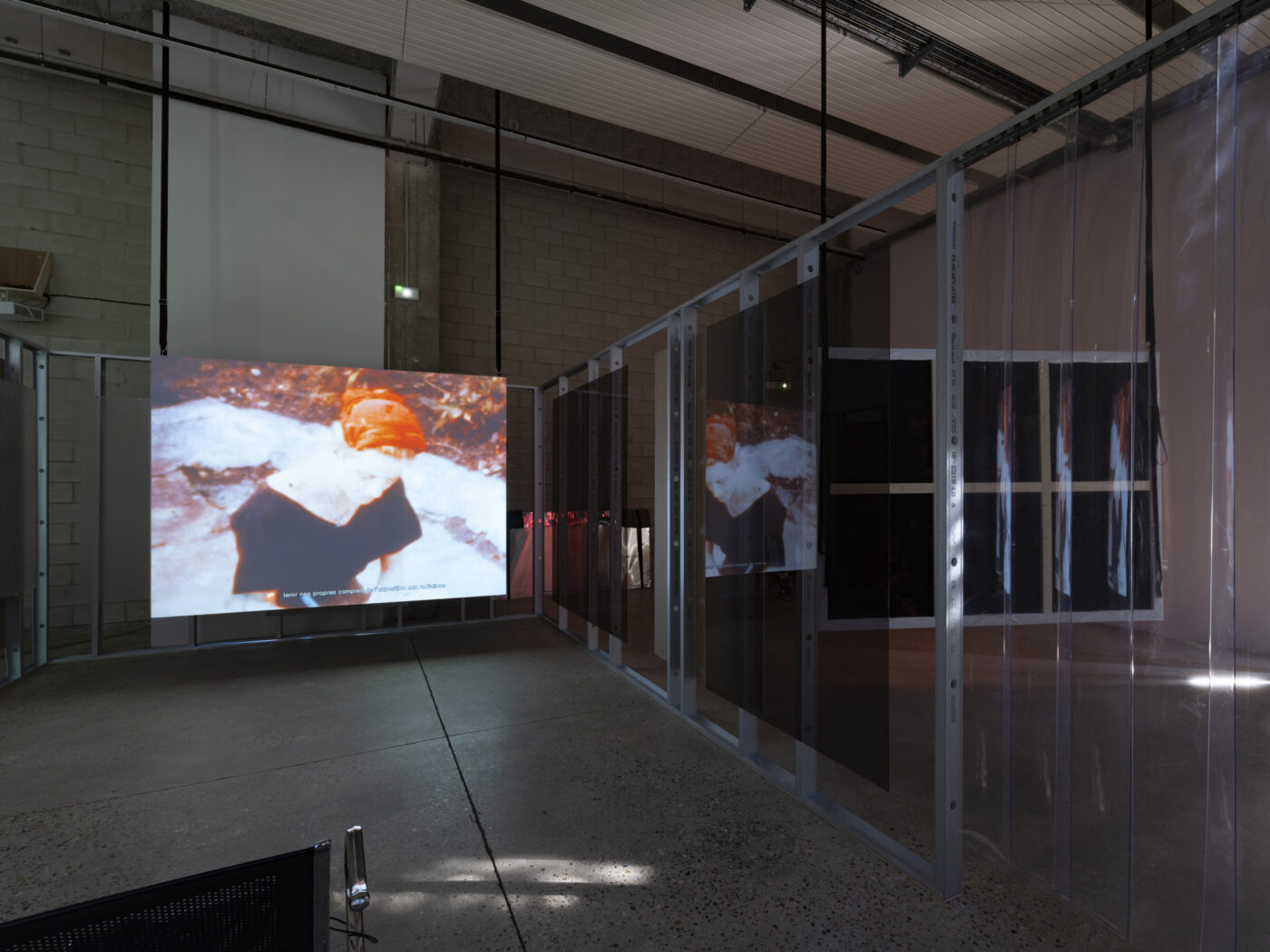
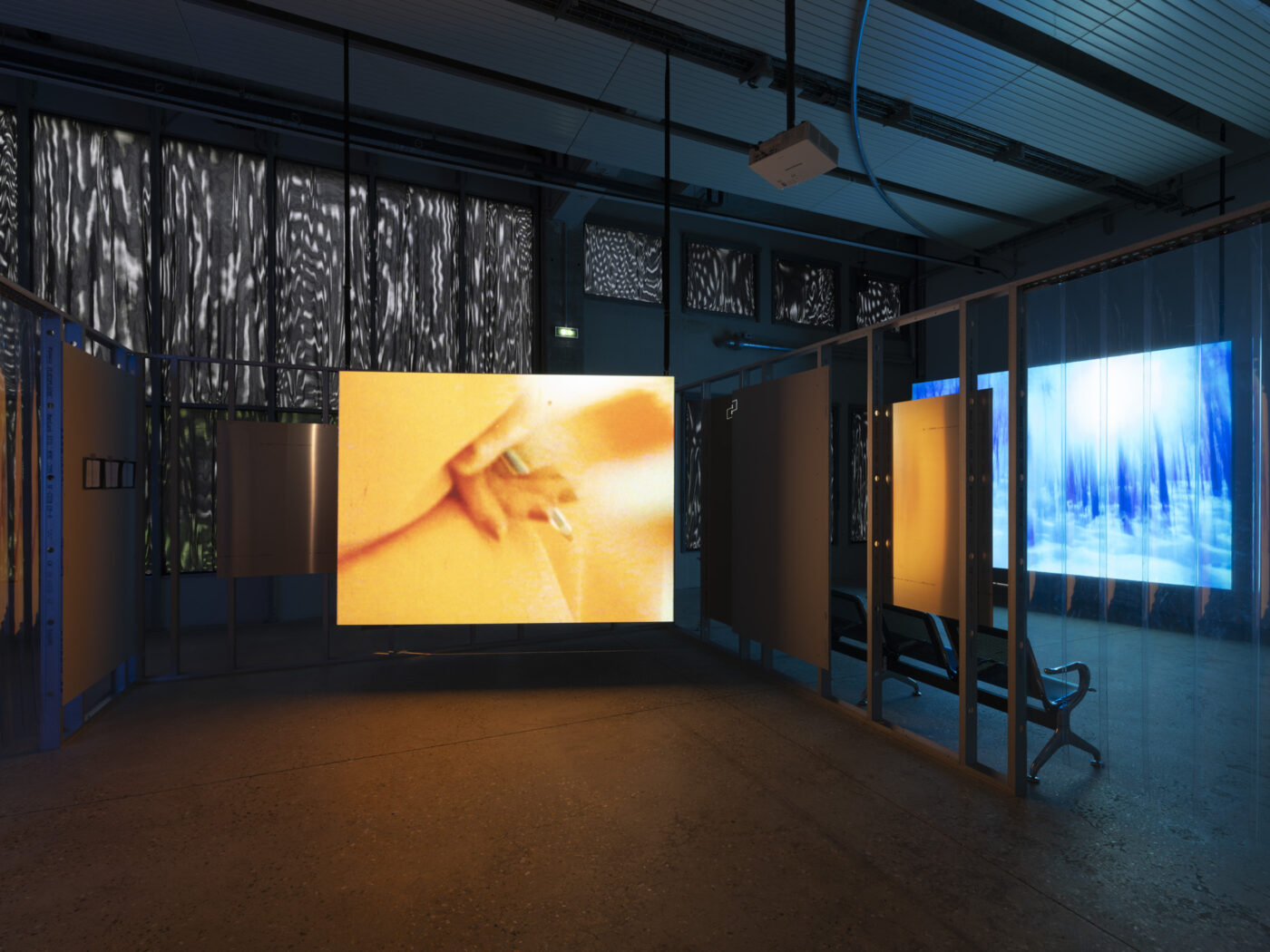
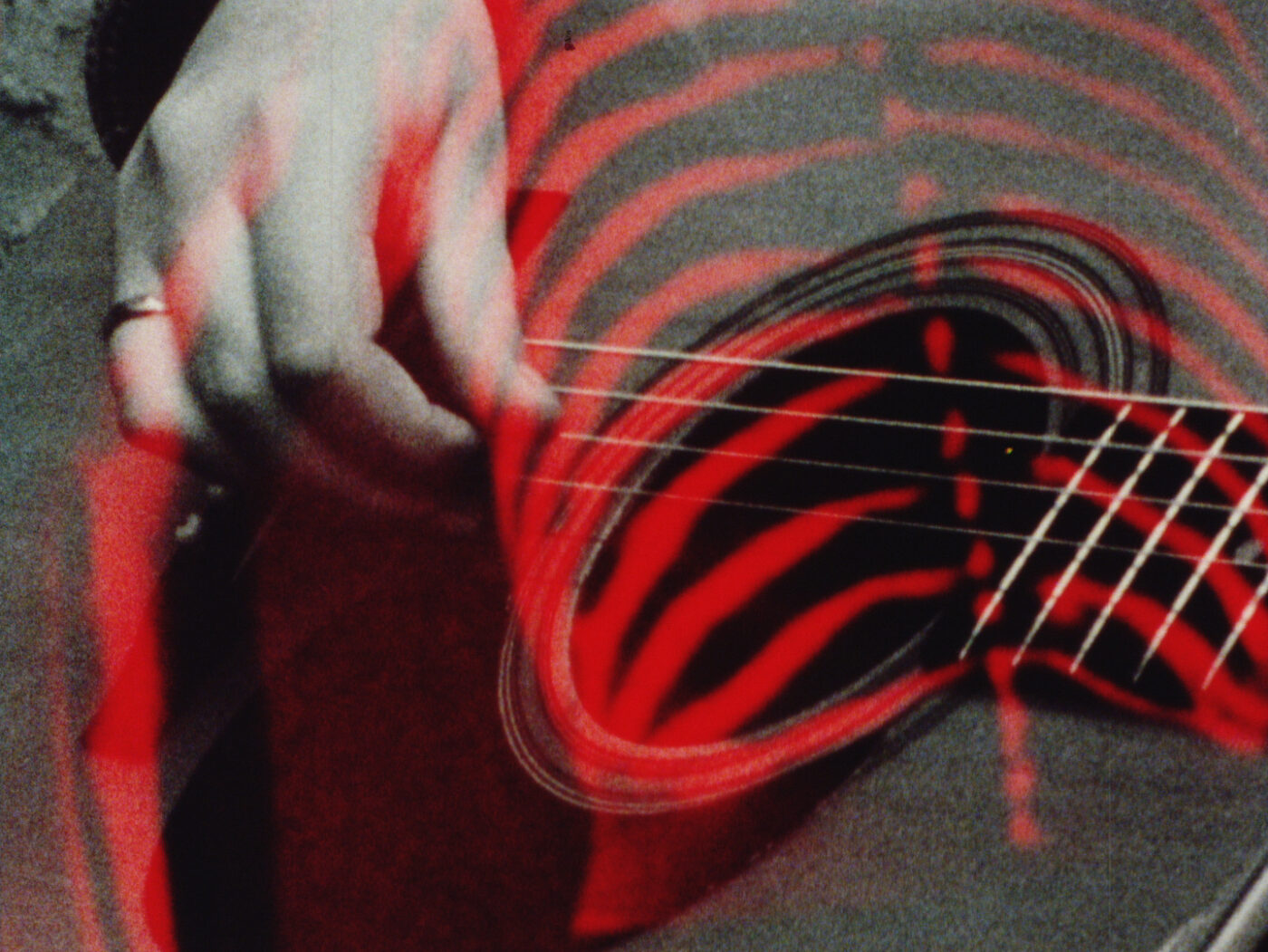
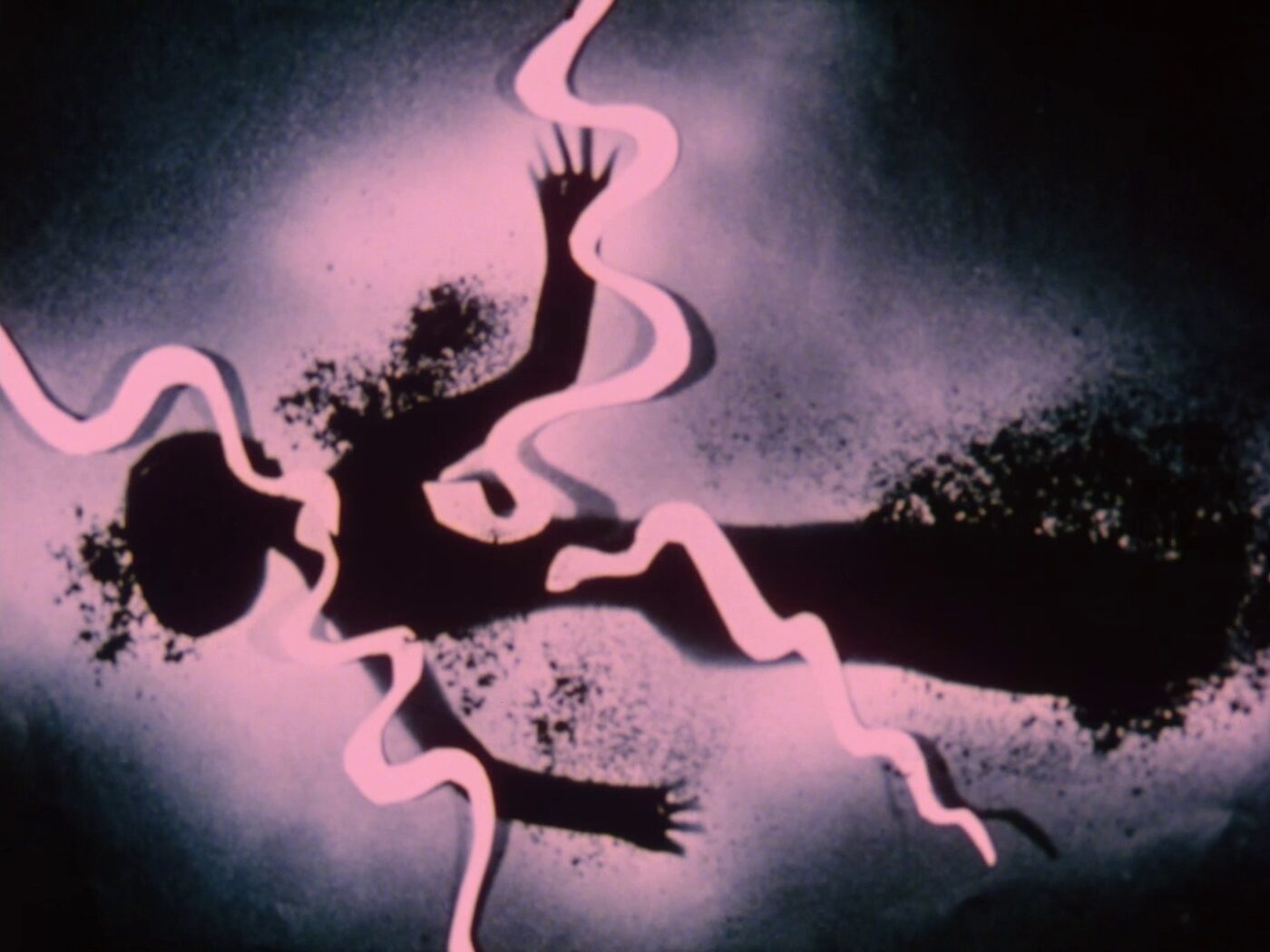
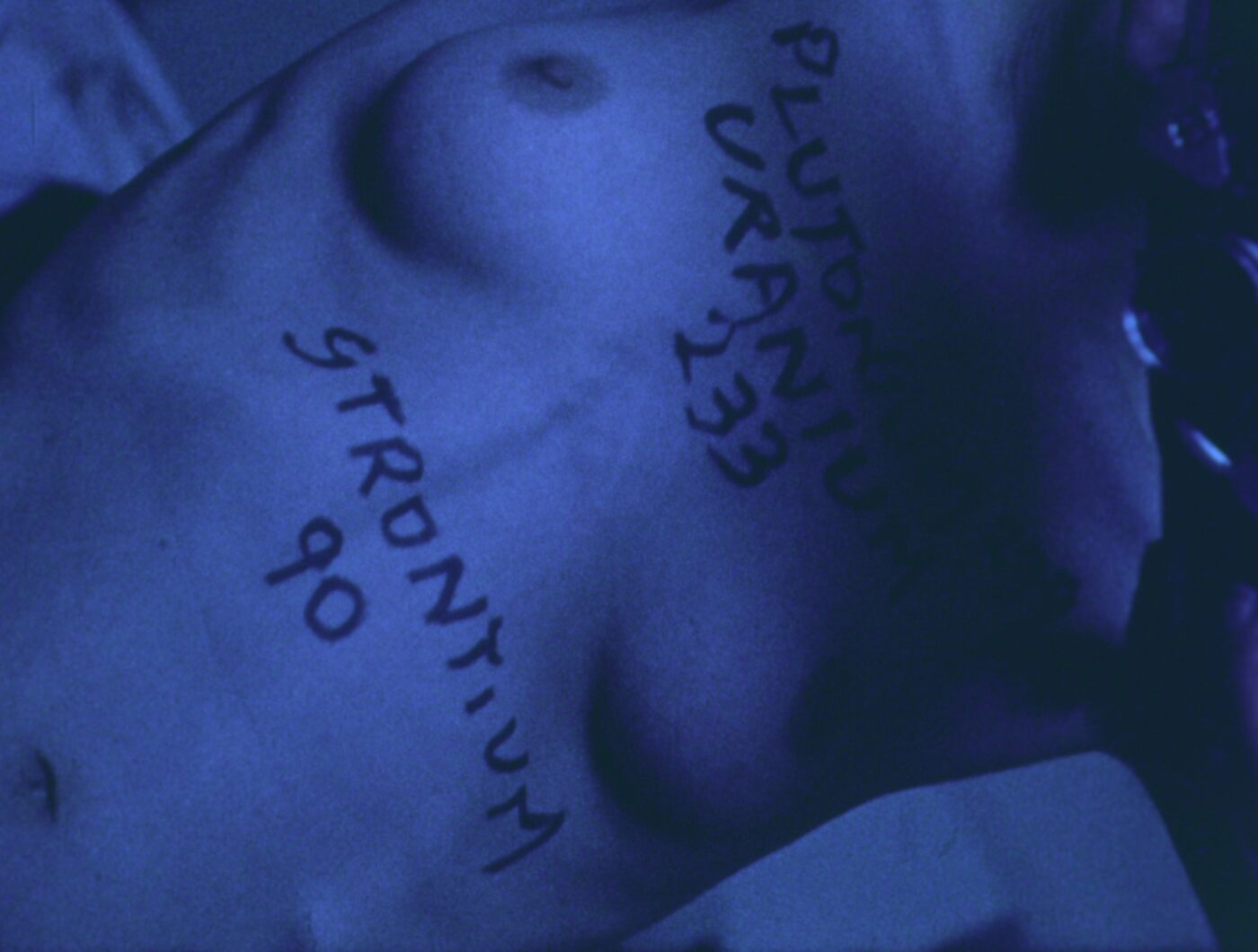

Exhibition view of Sandra Lahire, « Overexposed, like an X-ray », display by Jagna Ciuchta, Love Letter, 2026, Bétonsalon – centre for art and research, Paris, 2026. © Photo : Jagna Ciuchta / ADAGP, Paris 2026.

Exhibition view of Sandra Lahire, « Overexposed, like an X-ray », display by Jagna Ciuchta, Love Letter, 2026, Bétonsalon – centre for art and research, Paris, 2026. © Photo : Jagna Ciuchta / ADAGP, Paris 2026.
Exhibition view of Sandra Lahire, « Overexposed, like an X-ray », display by Jagna Ciuchta, Love Letter, 2026, Bétonsalon – centre for art and research, Paris, 2026. © Photo : Jagna Ciuchta / ADAGP, Paris 2026.
Exhibition view of Sandra Lahire, « Overexposed, like an X-ray », display by Jagna Ciuchta, Love Letter, 2026, Bétonsalon – centre for art and research, Paris, 2026. © Photo : Jagna Ciuchta / ADAGP, Paris 2026.
Exhibition view of Sandra Lahire, « Overexposed, like an X-ray », display by Jagna Ciuchta, Love Letter, 2026, Bétonsalon – centre for art and research, Paris, 2026. © Photo : Jagna Ciuchta / ADAGP, Paris 2026.
Exhibition view of Sandra Lahire, « Overexposed, like an X-ray », display by Jagna Ciuchta, Love Letter, 2026, Bétonsalon – centre for art and research, Paris, 2026. © Photo : Jagna Ciuchta / ADAGP, Paris 2026.
Exhibition view of Sandra Lahire, « Overexposed, like an X-ray », display by Jagna Ciuchta, Love Letter, 2026, Bétonsalon – centre for art and research, Paris, 2026. © Photo : Jagna Ciuchta / ADAGP, Paris 2026.
Sandra Lahire, Arrows, 1984, 16mm, digitized, 16’15”, Courtesy of Sandra Lahire and LUX, London.
Sandra Lahire, Terminals, 1986, 16mm, digitized, 19’47”, Courtesy of Sandra Lahire and LUX, London.

Overexposed, like an X-ray
Sandra Lahire
Temporary closure from 8 to 11 of July
Curators: Maud Jacquin and Émilie Renard
Exhibition display: Jagna Ciuchta
Sandra Lahire (United Kingdom, 1950–2001) was a feminist experimental filmmaker whose work has had a lasting influence on numerous artists and filmmakers, yet remains insufficiently recognized to this day, particularly in France¹. Like many of her contemporaries in London, she was affiliated with the London Film-Makers’ Co-operative (LFMC), a self-organized structure dedicated to the production, exhibition, and distribution of experimental film². Active from the late 1960s onward, the LFMC constituted a key center for a dynamic cinematic movement united by a shared commitment to exploring the materiality of film, notably through direct interventions on the film reel.
From the mid-1980s, while continuing her formal investigations into the material properties of the film medium, Lahire incorporated autobiographical and documentary dimensions into her practice. She situated film in constant relation to other forms of matter: human and non-human bodies, landscapes, and the flows that traverse them. Through a wide range of experimental techniques generating stratified, textured surfaces, she gave form to the co-implication of bodies and the physical continuit connecting herself to other living beings—human, animal, and vegetal—conceived as organic and perishable matter. Drawing on her own bodily vulnerability—Lahire suffered from anorexia—her work gives form to what feminist theorist Stacy Alaimo has termed a “transcorporeal space”³, in which human corporeality is inextricably bound to the environment through a shared condition of permeability and contamination.
The exhibition title, “Overexposed, like an X-ray”⁴, borrows from the work of American poet Sylvia Plath (1932–1963), whose voice resonates throughout Lahire’s films . While not directly drawn from a specific film by Lahire, the phrase frames the exhibition through an overlapping of entities—Lahire herself, women workers and residents living near nuclear facilities, the film strip, and the earth—subjected to processes that penetrate and erode its material integrity. Under exposure to X-rays, flesh, emulsion, and mineral matter are attacked, hollowed out to their fragile supporting structures. X-rays operates on multiple levels: literally, as a reference to clinical imaging and nuclear radiation; and metaphorically, as an index of the invasive power of medical authority, the military-industrial complex, and, more broadly, the patriarchal, colonial and capitalist system. In Lahire’s films⁵, “exposure” speaks to the material vulnerability of both human and non-human entities, not only as a means of critiquing relations of domination and exploitation, but also as a way of affirming a contingent, porous corporeality inseparable from the material world that constitutes it. This perspective aligns with what Stacy Alaimo, in Exposed, describes as an “ethics of exposure”⁶, grounded in the recognition of our material continuity with our environments. “Dwelling in the dissolve”, as Alaimo suggests, is to acknowledge permeability as the basis for an ethical relationship to the living.
The exhibition brings together four key films from the early phase of Lahire’s practice in the 1980s—she would go on to produce ten films between 1984 and 1999. These works trace a progressive expansion of corporeal concerns: from an exploration of her own bodily vulnerability, shaped by anorexia and fostering an empathetic relationship to other living beings, to an engagement with environments affected by the invisible toxicity of nuclear radiation, power plants, and uranium mining.
The first two films, Arrows (1984) and Edge (1986), approach film as a body—as a “skin” (Laura Marks⁷)—establishing parallels between cinematic editing and surgical procedures through a deliberately discontinuous montage. They also introduce the figure of the animal, tracing a shift from metaphor — the animal as image of freedom — toward an acknowledgment of shared suffering. Lahire draws connections between the objectified female body within dominant representational regimes—extended through invasive medical practices—and the animal subjected to human domination, both fragmented into slices, evoking Sylvia Plath’s expression of “pathological salamis”⁸, cited in Edge.
Terminals (1986) and Serpent River (1989) respectively open and conclude a series of four anti-nuclear films. Terminals examines the working conditions of women in a nuclear power plant and their exposure to radiation. Its title refers both to monitoring interfaces—pervasive instruments of control—and to the terminal stages of illness. The image is held at the threshold of disappearance, as though the film itself were subjected to the same radiative forces as the bodies it depicts. Serpent River, the final work in a trilogy shot in Serpent River, Ontario (Canada), addresses the ecological and human consequences of uranium mining by the multinational Rio Tinto Zinc. Lahire renders perceptible the otherwise invisible toxicity of radiation as it circulates—fluid, diffuse, and chromatic—across mined landscapes, through living streams, into human bodies, and onto the filmic surface itself, whose textures and colors evoke the entanglement of bodies and the substances that permeate them.
Across these works, bodily fluids, blood circulation, underground waters, and tidal movements converge into a shared substrate of contaminated matter. The materiality of film mirrors the entanglements it articulates: the filmmaker’s body, those of local inhabitants, the depths of the earth, the filmic medium, and the spectators are bound together in a shared vulnerability.. Lahire thereby suggests that an awareness of the mutual porosity of bodies and environments—and of their interdependent fragility—may constitute the foundation for an ecofeminist ethics grounded in embodiment, challenging Western conceptions of the subject as fixed, bounded, and autonomous.
The exhibition design is conceived by artist Jagna Ciuchta, whose practice–characterized by processes of permeability, contamination, and the incorporation of other artists’ works– extends and reactivates key gestures and motifs present in Lahire’s cinema.
¹ Maud Jacquin devoted her doctoral research to feminist theories and practices in experimental film, with particular attention to the London Film-makers’ Co-operative (LFMC). In 2016, on the occasion of the LFMC’s 50th anniversary, she curated a programme of screenings and performances at Tate Modern and Tate Britain, “From Reel to Real: Women, Feminism and the London Film-makers’ Co-operative”, in which Sandra Lahire was among the most prominently represented filmmakers, enabling many to (re)discover her work. To date, no exhibition has been dedicated to her work in France. This exhibition is intended as the first in a series of group exhibitions that positions Lahire as a source of inspiration and a key point of reference for artists across different generations.
² Founded in 1966, the London Film-Makers’ Co-op merged in 1999 with London Video Arts to form LUX. It is a fortunate coincidence that this exhibition dedicated to Sandra Lahire at Bétonsalon coincides with the sixtieth anniversary of the LFMC.
³ See in particular Stacy Alaimo, Bodily Natures: Science, Environment and the Material Self, Bloomington: Indiana University Press, 2010.
⁴ The exhibition title is a citation of Syvlia Plath’s poem Medusa, from Ariel (1965). Maud Jacquin adopted this expression as the title of her essay on Lahire’s cinema, written in 2016 and published in 2019 in Women, Feminism and the Moving Image, ed. Lucy Reynolds; and subsequently in 2022 in Living on Air: The Films and Words of Sandra Lahire, ed. María Palacios Cruz and Charlotte Procter. This text already outlines the argument underpinning the present exhibition—hence the decision to republish it in the exhibition booklet, in its original English version and in a new French translation produced for the occasion.
⁵ Sylvia Plath occupied a central place in Lahire’s thinking, to whom she devoted an unfinished doctoral thesis. Plath’s poems, often read by the poet herself, appear in a large number of Lahire’s films; Lahire also dedicated a trilogy to her: Lady Lazarus (1991), Night Dances (1995), and Johnny Panic (1999).
⁶ Stacy Alaimo, Exposed: Environmental Politics and Pleasures in Posthuman Times, Minneapolis: University of Minnesota Press, 2016.
⁷ Laura Marks, The Skin of the Film: Intercultural Cinema, Embodiment, and the Senses, Durham: Duke University Press, 2000.
⁸ Line taken from Sylvia Plath’s poem The Surgeon at 2 am (1962).
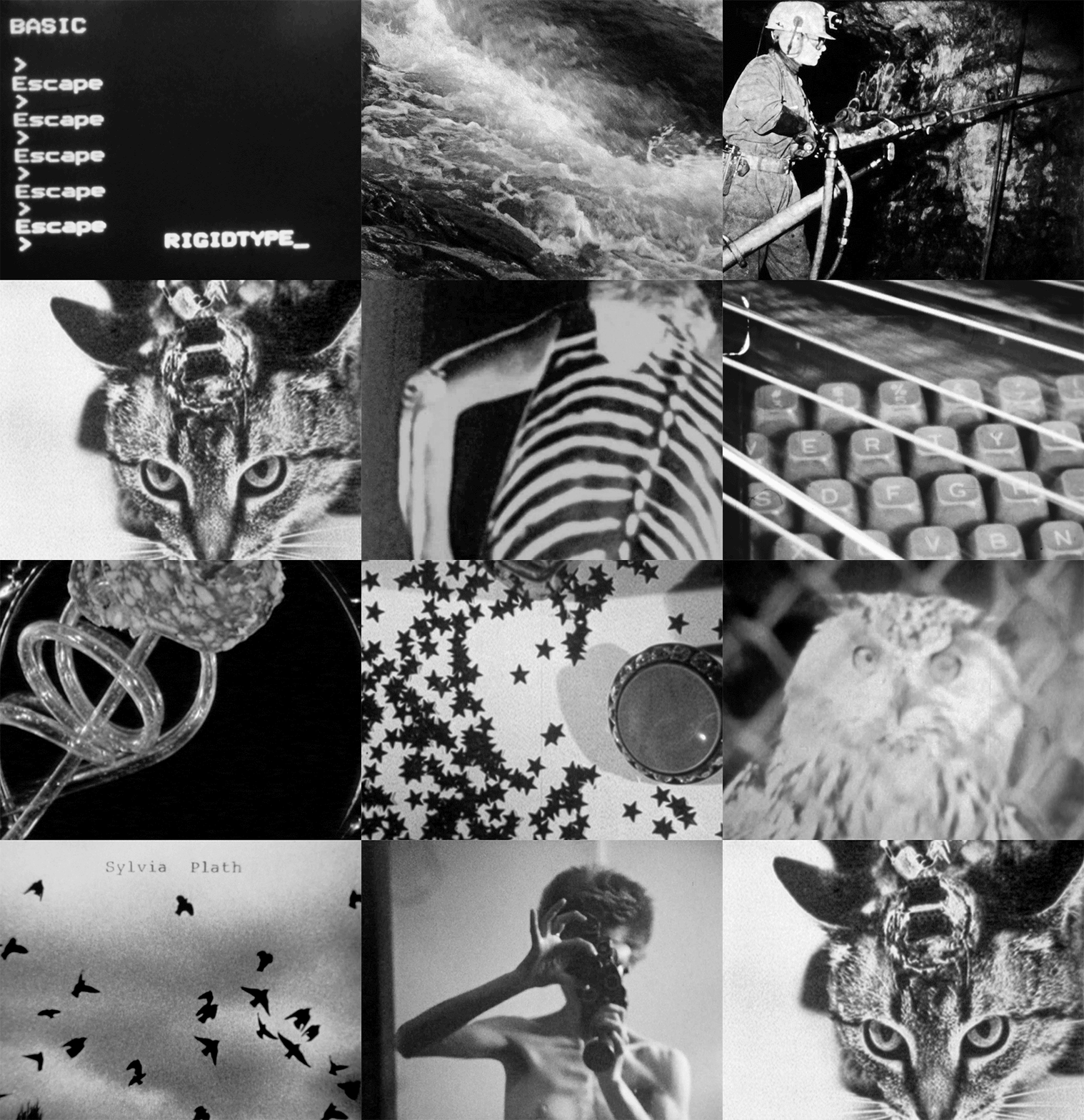
Sandra Lahire
Sandra Lahire (1950-2001)
A lesbian, Jewish, feminist filmmaker, Sandra Lahire was a central member of the feminist and experimental filmmaking community in London in the 1980s and 1990s. Having produced around ten films in 16mm, she developed a significant body of work that deserves greater recognition. Her environmental concerns, its intersectional feminism, its honest discussion of mental health feel poignantly modern and relevant today. Marked by corporeal vulnerability – her own, that of the female body, the body of the earth, the body of film – Lahire’s work proposes a comparison between the violence committed by patriarchal society against women and that committed by humans against the non-human world. Her four anti-nuclear films echo the feminist anti-nuclear, anti-war movement at the time. Formally, they merge documentary, performance, animation and experimentation (superimposition – both in camera and on the optical printer – re-filming, colourisation, changes of speed, layering of sounds). From her first film to her last, Lahire was in sustained dialogue with the poetry and archive of Sylvia Plath. And like Sylvia Plath’s, hers is a body of work that is retrospectively overshadowed by her premature death aged 50. Lahire’s films were ground-breaking in the frank way that they addressed the unspoken cultural causes of diseases such as anorexia, with which she struggled throughout her life and which led to her untimely passing in 2001.
Lahire studied philosophy at Newcastle upon Tyne, film at Saint Martins School of Art, and film and environmental media at the Royal College of Art. Her films have been screened at numerous national and international festivals, including Créteil, Locarno, Berlin, Montreal, São Paulo, Turin, Jerusalem, Australia, and the Philippines. She notably published Lesbians in Media Education in Visibly Female (ed. Hilary Robinson, Camden Press, 1987), as well as articles in Undercut. She also composed the music for Just About Now by Lis Rhodes. The Courtisane Festival dedicated its 2021 “artist in focus” section to her under the title “Arrows, Edge, Terminals, Eerie, Night Dances.”
Source: Courtisane Festival 2021.
Maud Jacquin
Maud Jacquin is an art historian, curator, and research associate at Bétonsalon since 2022. Her PhD, completed in 2013 at University College London, examined the politics of narrative in feminist artists’ films, with a particular focus on the British scene of the 1970s and 1980s. From 2014 to 2022, together with Sébastien Pluot, she co-founded and co-directed Art by Translation, an international programme of research and exhibitions involving partner institutions in four countries—including CalArts in Los Angeles, James Gallery in New York, and Fonderie Darling in Montreal—and artists engaged in a post-master’s programme run by the art schools in Cergy (ENSAPC) and TALM-Angers. She also served as co-artistic director of Cneai= during its relocation to the Magasins Généraux in Pantin (2016–2017), and previously as associate curator at Residency Unlimited in New York. Taking seriously the idea that an artwork constitutes a materially embodied aesthetic, theoretical, and political proposition capable of affecting viewers, her curatorial projects often take as their point of departure the practice of a given artist (Klonaris/Thomadaki, Pauline Oliveros, Alison Knowles, among others), in order to collectively explore—together with artists and researchers from various disciplines—questions concerning the relationship between sensibilityand politics.
Jagna Ciuchta
The exhibition is developed with the support of LUX, London.
Opening of the poem in the presence of Noah Truong, on 13 May, from 6 pm to 9 pm.
Creating a mini stop-motion film with cut-out paper, for families
Registration required : publics@betonsalon.net
Group reading
A program inspired by Sandra Lahire’s cinema
Curated by Lotte Arndt, Maud Jacquin, and Émilie Renard
From June 11 to 15, 2026
With Line Ajan, Lotte Arndt, Myriam Bahaffou, Vincent Enjalbert, Maud Jacquin, Simon Ripoll-Hurier, Kyveli Mavrokordopoulou, Aram Lee,
Elena Lespes Muñoz, Émilie Renard, Katerina Thomadaki, Basyma Saad
and films by Karel Doing, Barbara Hammer,
P. Staff, Adrian Kahgee / Odeimin Runners Club, Elke Marhöfer with Mikhail Lylov, Ana Mendieta, Alisi Telengut, Ana Vaz.
Meeting with Ketty Steward, June 24, from 7 pm to 9 pm.
Collective Translation and Writing Workshop with artists Lou Rappeneau and Vega Royer-Gaspard
Registration required: dykefag4fagdyke@gmail.com
Stakeholders #10 – A look back at the archives of Candice Lin’s exhibition, ‘A Hard White Body’ (2017), at Bétonsalon, in the presence of curator Lotte Arndt.
With Kamila Narysheva & Vicky Clarke, Bart Bell, Elen Huynh, Raheel Khan & Hanna Mbuya
Image & light design : Gabriel Mester
A sound program in collaboration with Mesma Records (Candice Pigeard and Gabriel Mester) curated with Manon Barbe, Vincent Enjalbert, Elena Lespes Muñoz
A survey of archives collected by Dominique Dehais
Meeting with Léa Cuenin, July 19, from 6 pm to 7.30 pm.
“Radiant Hearts”
A writing workshop led by Manon Barbe
Registration required: publics@betonsalon.net
Creating a mini stop-motion film with cut-out paper, for families
Registration required : publics@betonsalon.net
Opening of Jagna Ciuchta’s poem, July 23rd, from 6pm to 7:30pm.

