Il ne faut pas oublier le futur [We must not forget the future] – 2025 ADAGP / Bétonsalon research and production grant No Anger
2025 — 2026
ADAGP – French royalty collecting and distribution society et Bétonsalon – center for art and research (Paris), in partnership with the Archives de la critique d’art (Rennes)
The artistic committee of the ADAGP / Bétonsalon research grant met on 10 June 2025 and chose No Anger as the laureate. They are the eighth artist to receive this grant after franck leibovici (2017), Liv Sculman (2018), Euridice Zaituna Kala (2019), Anne Le Troter (2021), Abdessamad El Montassir (2022), artist duo Irma Name (2023), and Florian Fouché (2024).
The ADAGP / Bétonsalon grant is an endowment of €15,000 intended to support an artist in a research project over the course of several months. Bétonsalon – centre for art and research supports the artist in the research and production process. The artist receives €4,000 in fees and €8,000 for production.
The artistic project
Il ne faut pas oublier le futur [We must not forget the future]
How can dissident bodies disrupt a patriarchal writing of the future, resist it, and turn hope into a political act? Invoking Donna Haraway’s cyborg figure, No Anger aims to propose alternative narratives to the relationship of human/machine subordination, through experimentation with forms of codependence and hybridity that escape the normative and validist visions of technology. In particular, it will involve rethinking the narrative of the destinies assigned to marginalised and invisibilised bodies through cyber-feminist hacking strategies that challenge dominant ontologies and temporalities. Following Nathalie Magnan’s reflections on the media construction of identities deemed subversive, this research aims to highlight the counter-visualities generated by the tactical media invested by activist collectives, as well as the representations of a minority common that they help to shape and spread. Looking at piracy and virality as tools for derailing, contaminating and reconfiguring dysfunctional networks and institutional structures, this project aims to cripple our imaginations by exploring “futurographies” that break with binary and technophobic schemas. Through the intersection of lesbian, queer and disabled experiences, No Anger aims to question the perception and encoding of ‘states of body’ based on a relationship of complementarity and reciprocity with the technologies that support and structure her daily life.
Drawing on the visual grammar of Nathalie Magnan’s film Lesborama (1995) and the programme L’Œil du Cyclone (broadcast on Canal+ from 1991 to 2000), No Anger will make a film combining extracts from written and film archives in Nathalie Magnan’s collection with textual, vocal and performative experiments co-constructed with a robot. Deeply rooted in personal narratives, this work will draw multiple connections from the testimonies of people affected by these issues, enabling us to cross-reference visions of desirable and emancipatory futures within different communities and historical contexts.
![Il ne faut pas oublier le futur [We must not forget the future] – 2025 ADAGP / Bétonsalon research and production grant - Bétonsalon](https://www.betonsalon.net/wp-content/uploads/2025/06/img-85691001.jpg)
actions ~ scores: returns to the futures
October 2025 — March 2026
Notations, protocols, scripts, drawings, diagrams, archives, assemblages, narratives… What if every performance were essentially bound to forms of writing? And what if these traces of an uncertain past contained within them the possibilities of distant futures ?
In this lecture series, we will question the relationship between action and score across different fields of practice: artistic, institutional, activist. Artists will come to speak about their relationship to archives as performance scores; activists, about the techniques they use to transmit their actions; curators and archivists will present the tools they deploy to preserve them; exhibition curators will discuss the know-how they develop to (re)activate them.
“Tu vois je veux dire (You See What I Mean) bis” – Education project in High School Romain Grateau, Constantin Jopeck, Maureen Nass
November 2025 — June 2026
“Tu vois je veux dire” is an Artistic and Cultural Education project run by Bétonsalon – Center for Art and Research (Paris, 13th), Ivry’s Contemporary Art Centre – Le Crédac (Ivry-sur-Seine, 94) and La Briqueterie – National Choreographic Development Center of Val-de-Marne (Vitry-sur-Seine, 94), in collaboration with the Adolphe Chérioux highschool in Vitry-sur-Seine, Marianne High School in Villeneuve-le-Roi, and Armand Guillaumin High School in Orly.
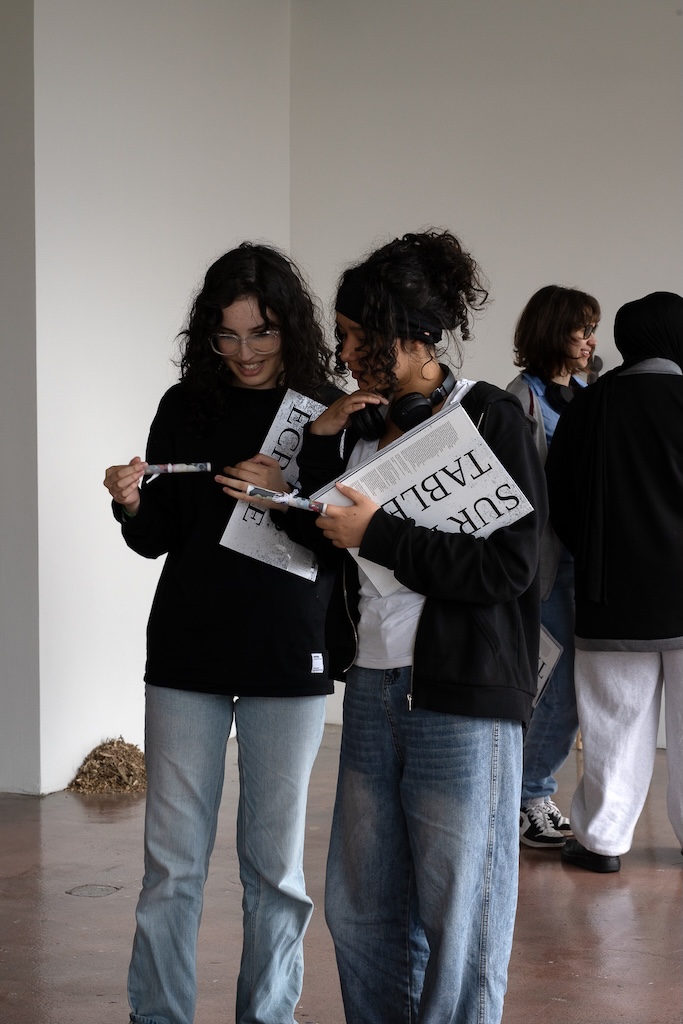
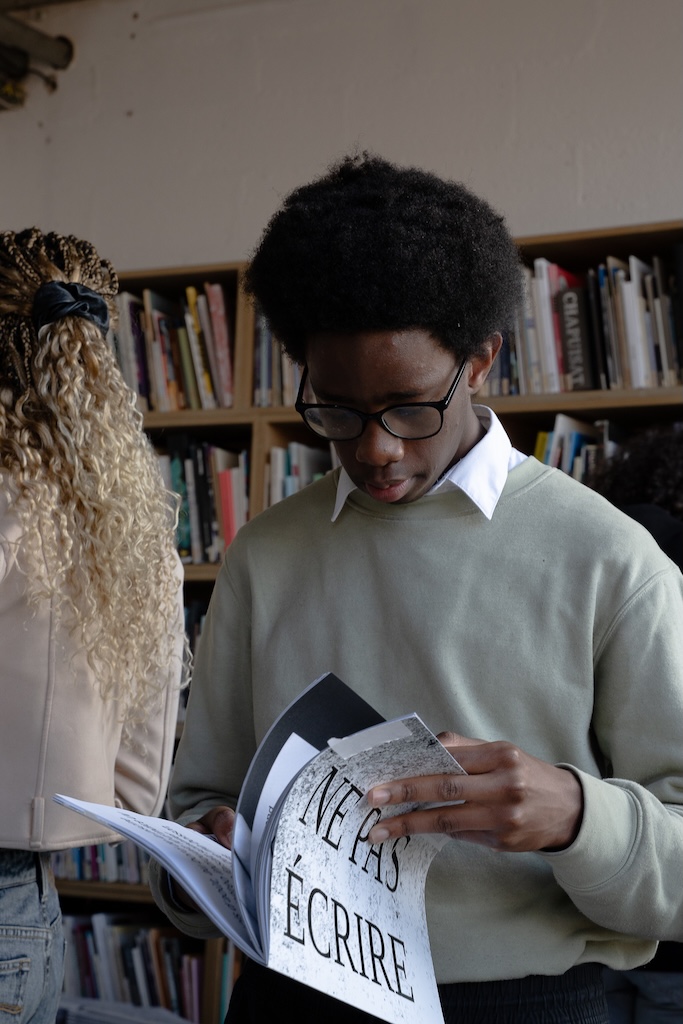
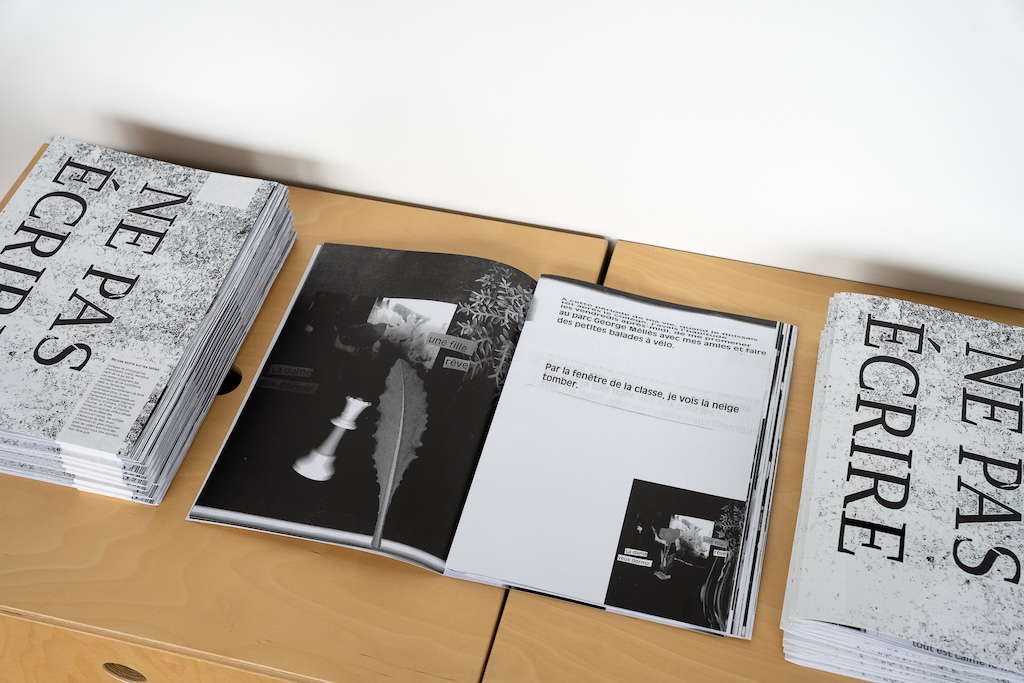
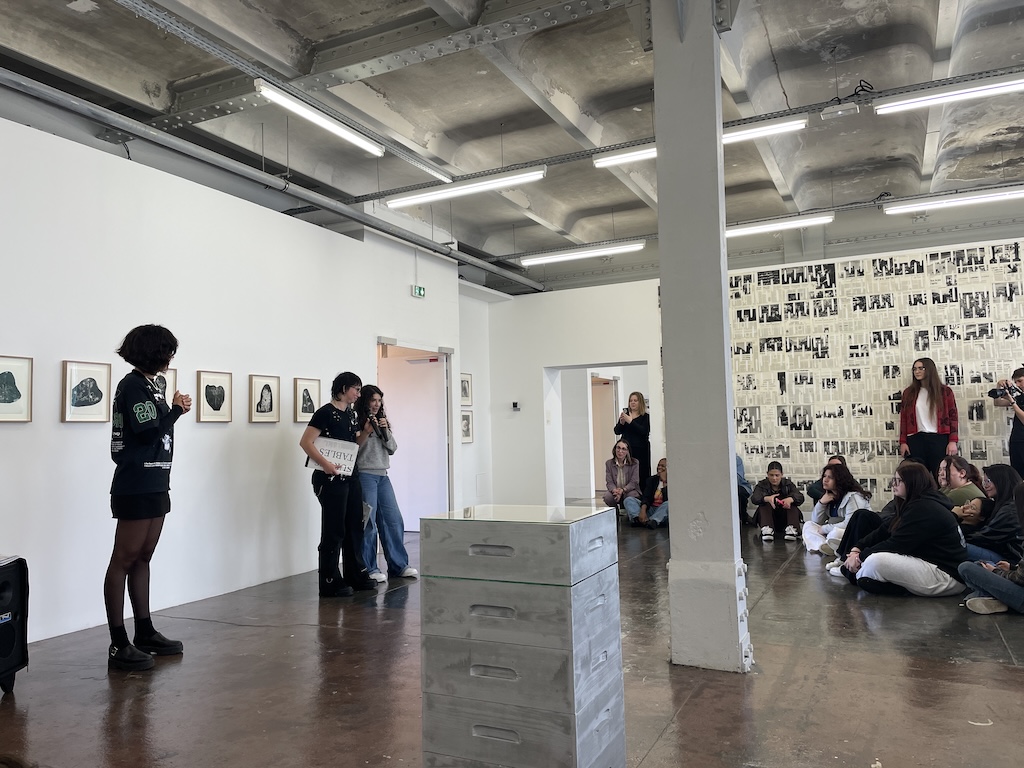
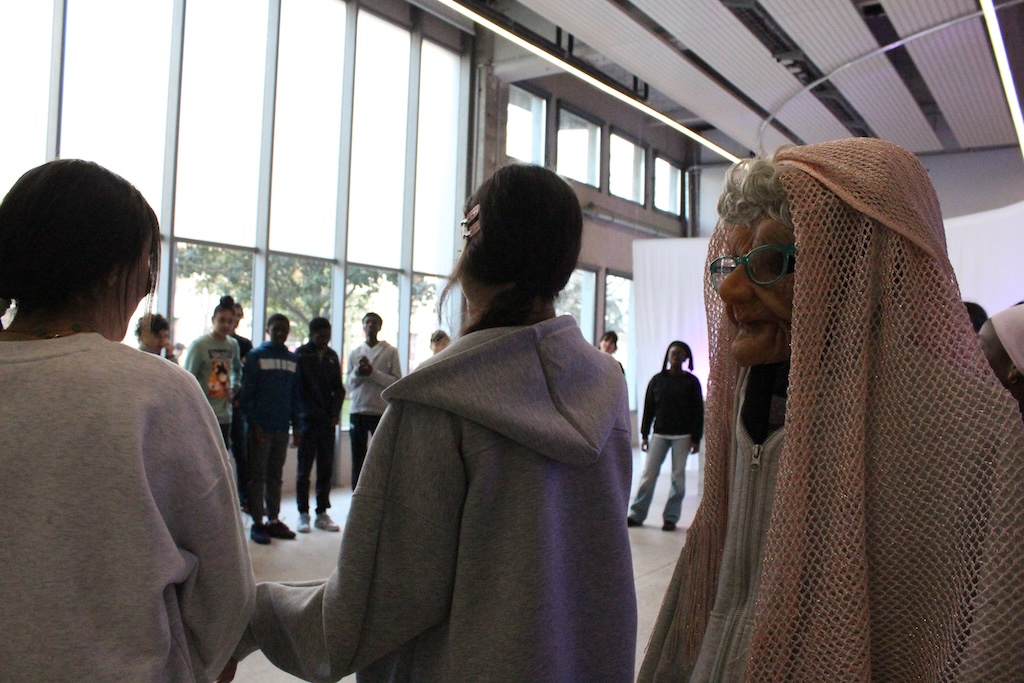
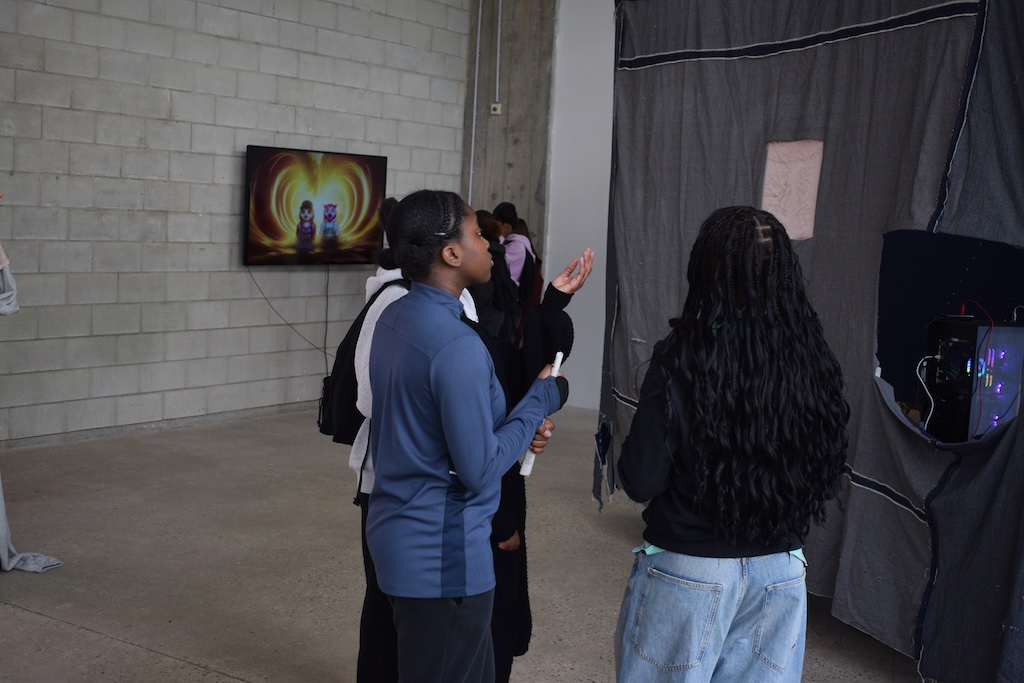
Initiated in 2023-2024, the “Tu vois je veux dire” project takes as its starting point Bétonsalon’s Young Mediators Program and allows high school students to experiment with different forms of mediation around artistic practices from both visual and performing arts. Continuing in 2024-2025, this project seeks—through observation, listening, encounters with artists and art professionals, dialogue, and artistic practice—to challenge the traditional roles and voices associated with discourse on artworks within cultural and artistic institutions. It does so by imagining and inventing original public engagement formats: podcasts, dance-based tours, design publication, and more.
In 2025–2026, students from eight classes at three high schools in Val-de-Marne had the opportunity to share and experiment with new ways of approaching and presenting educational programs around Pierre Creton’s exhibition “Sambucus Nigra,” on view at the Crédac from April through June 2026:
• At Adolphe Chérioux High School, a 10th-grade STD2A class worked with artist Maureen Nass. The sessions combined screenings of Pierre Creton’s films with workshops aimed at creating a sensory map (drawing, collage, cartography) using materials gathered during the movement exercises, as well as writing exercises exploring the imagination of the garden, conducted both on-site outdoors at the high school and in the Briqueterie studio.
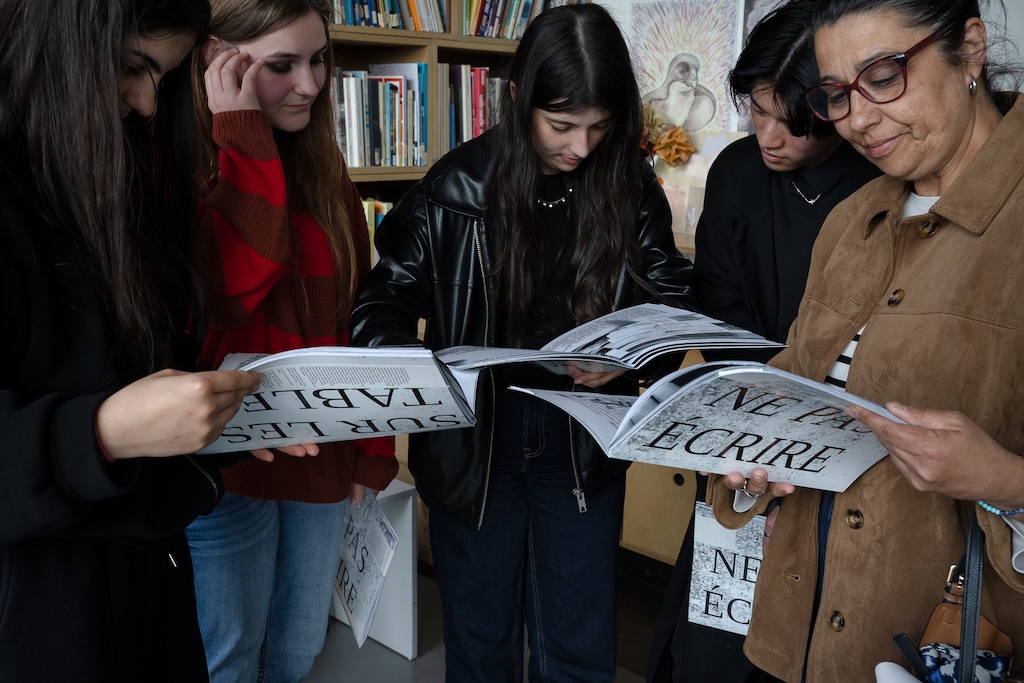
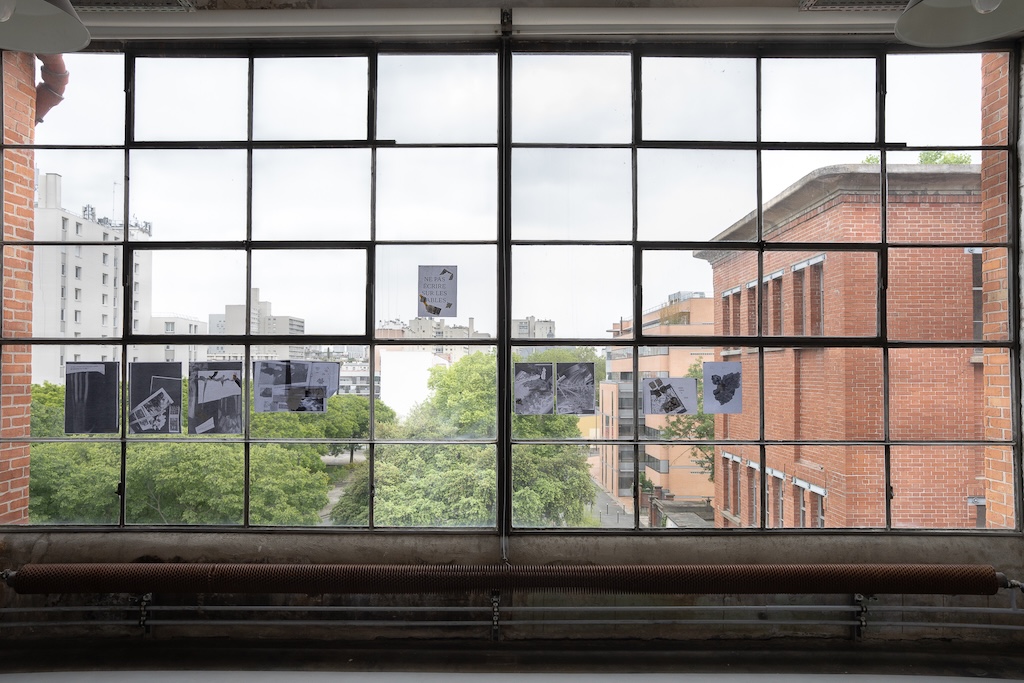
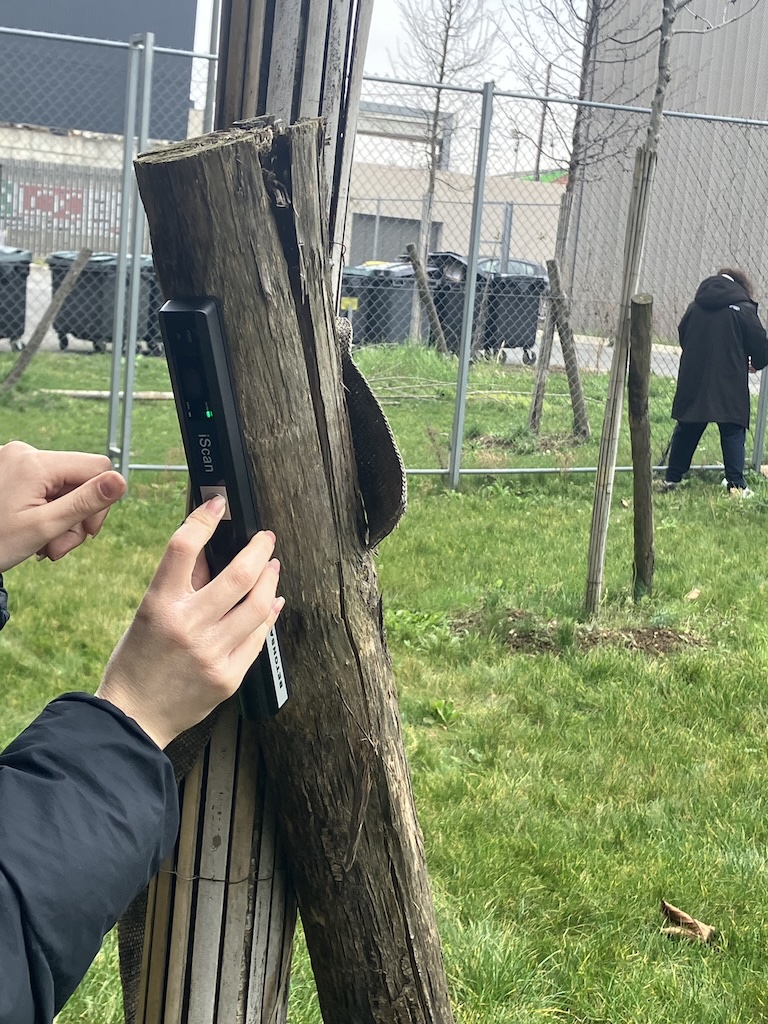
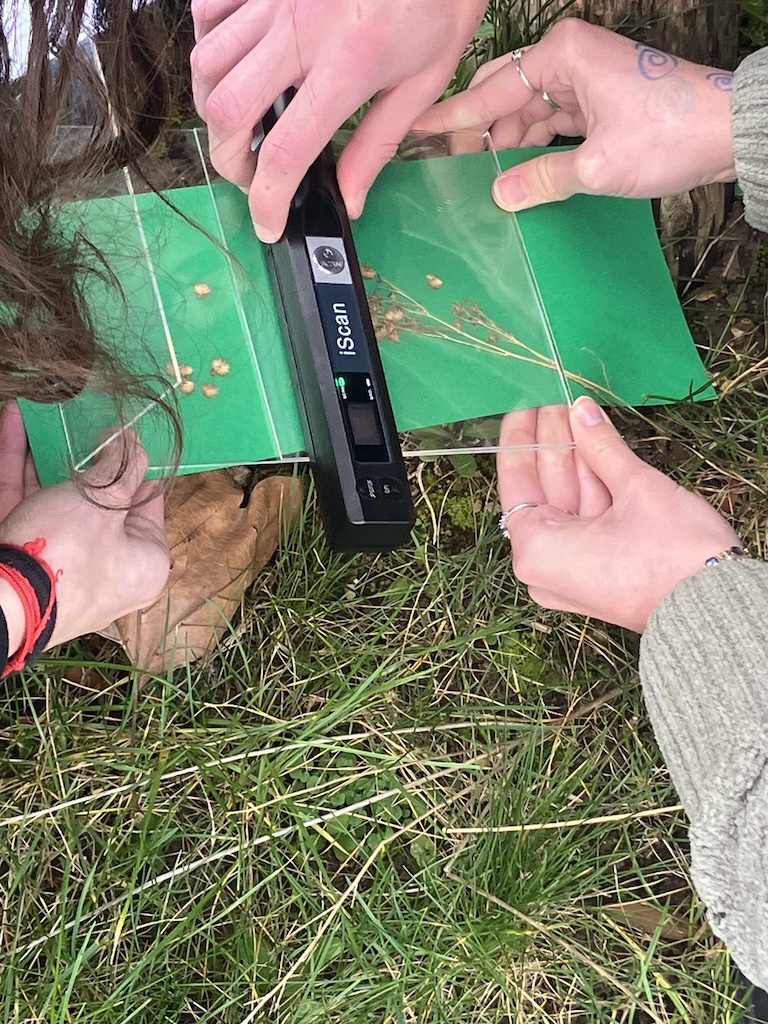
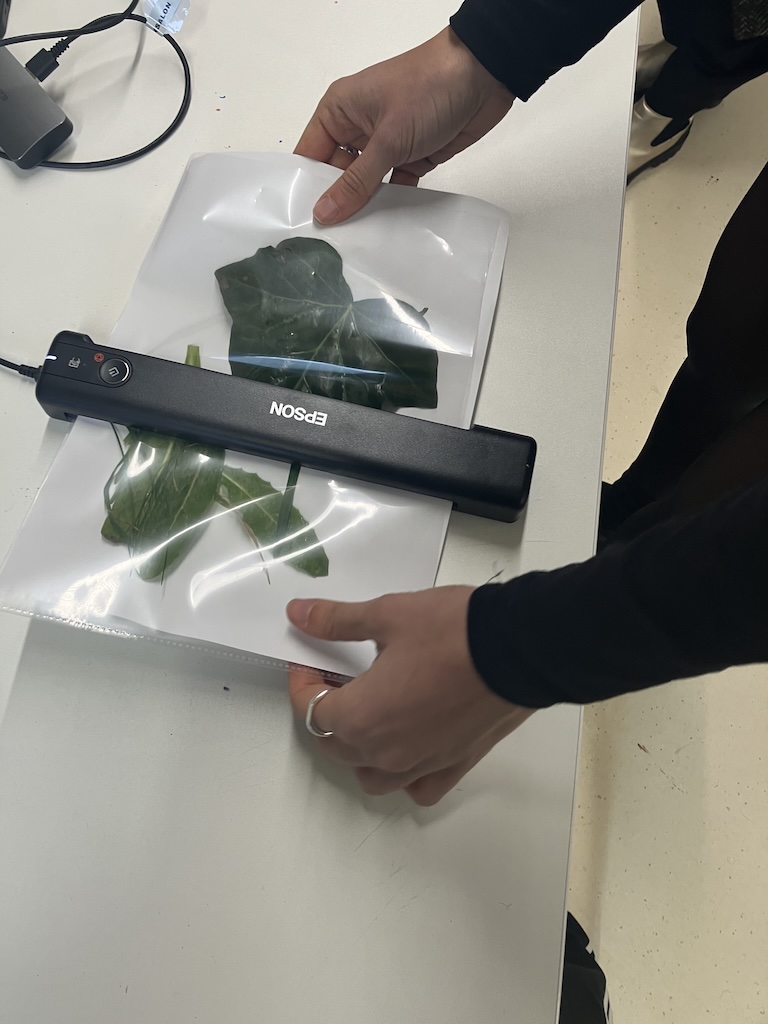
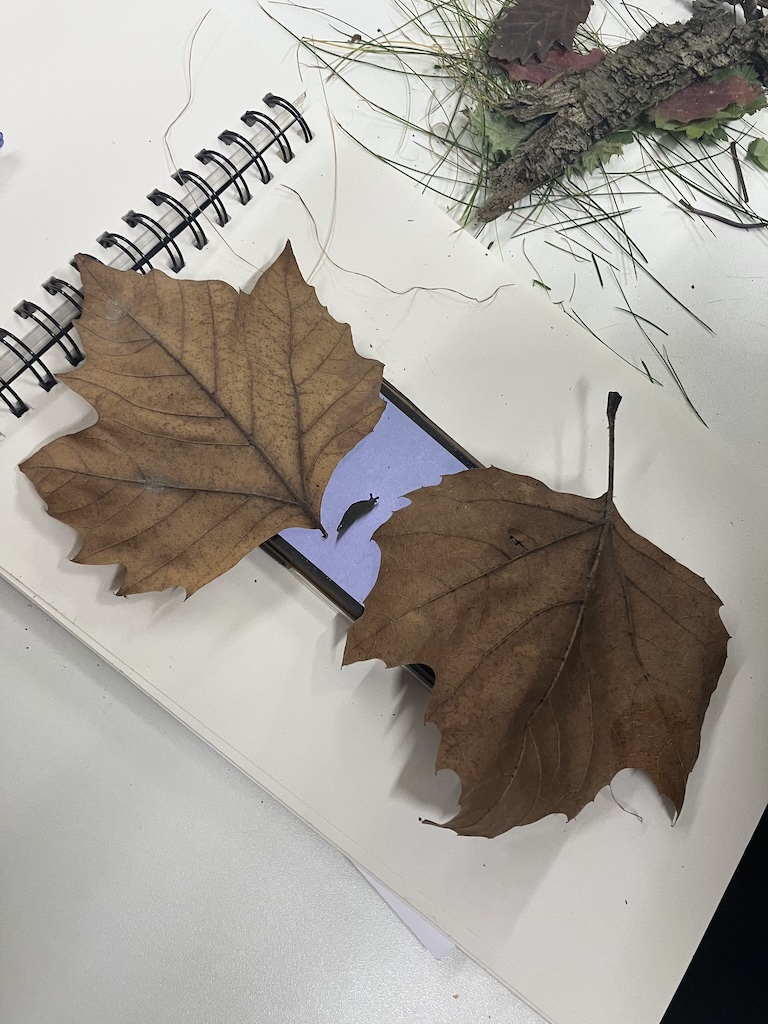
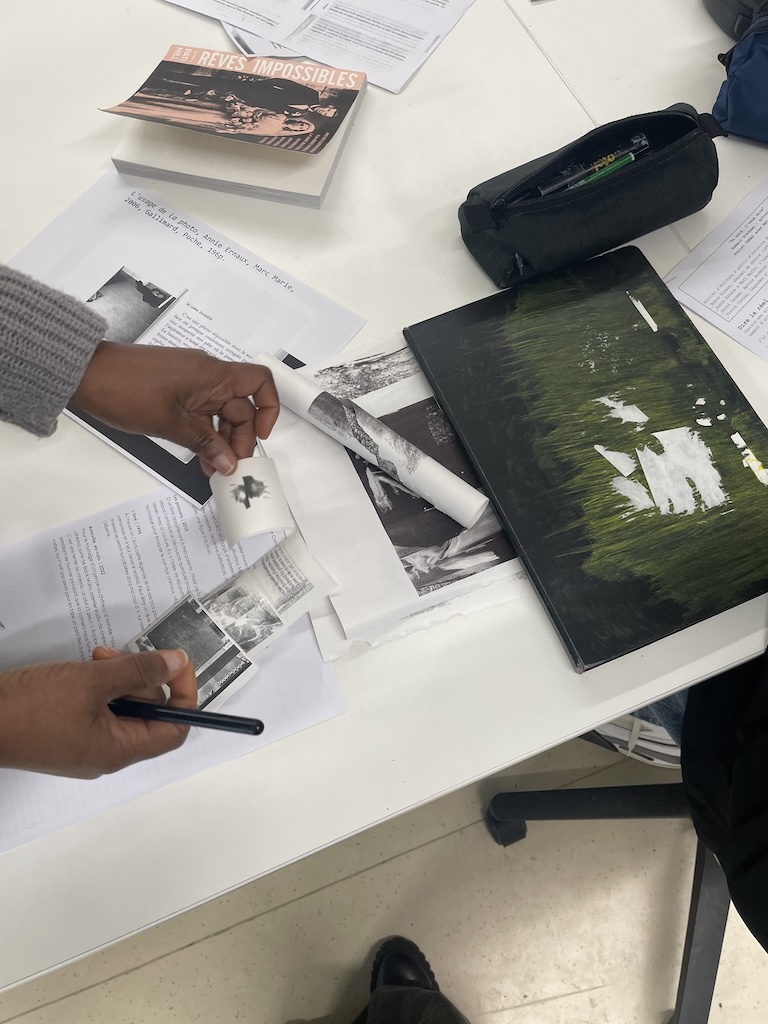
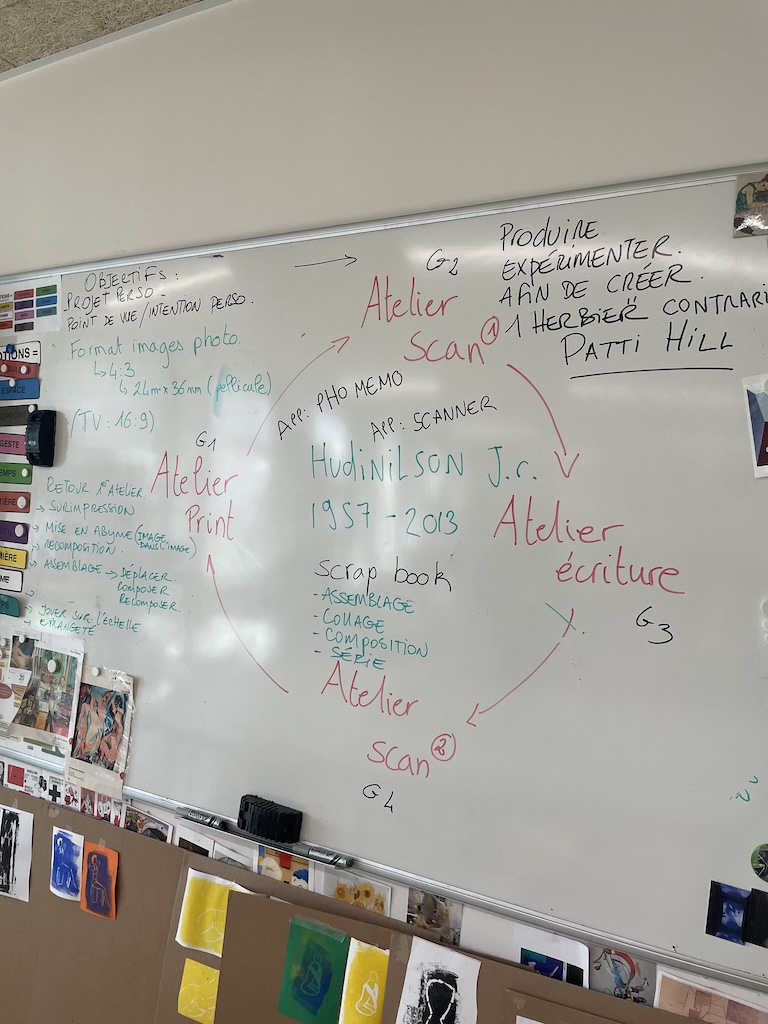
• At Marianne High School, the 11th-grade general education classes, as well as the 11th- and 12th-grade specialized visual arts classes, worked with artist Romain Grateau. The sessions combined image capture, scanning, writing workshops based on texts by Pierre Creton and Annie Ernaux, followed by collage and photomontage projects, with an emphasis on the concept of a “subverted herbarium” and the repurposing of office tools—photography, photocopying, and printing—to produce images; this body of work culminated in the publication of Ne pas écrire sur les tables.
• At Armand Guillaumin High School, a 11th-grade hairdressing class worked with artist Constantin Jopeck. The sessions took the form of a filmmaking workshop in which the students, divided into pairs, styled wigs while the session was filmed. They were followed by two visual arts workshops centered on herbariums: After a presentation on the work of Pierre Creton and a screening of excerpts from Sept promenades avec Mark Brown in the library, the students created herbariums related to hairstyling by applying a technical technique to a plant; they then continued this work by producing a short video of their technique, as the hairstyling practices had been filmed by Constantin Jopeck for the video Les Frondeuses. The project also resulted in a journal.
“PEAC” – with Henri Wallon, Aubervilliers Lisa Lecuivre
2026
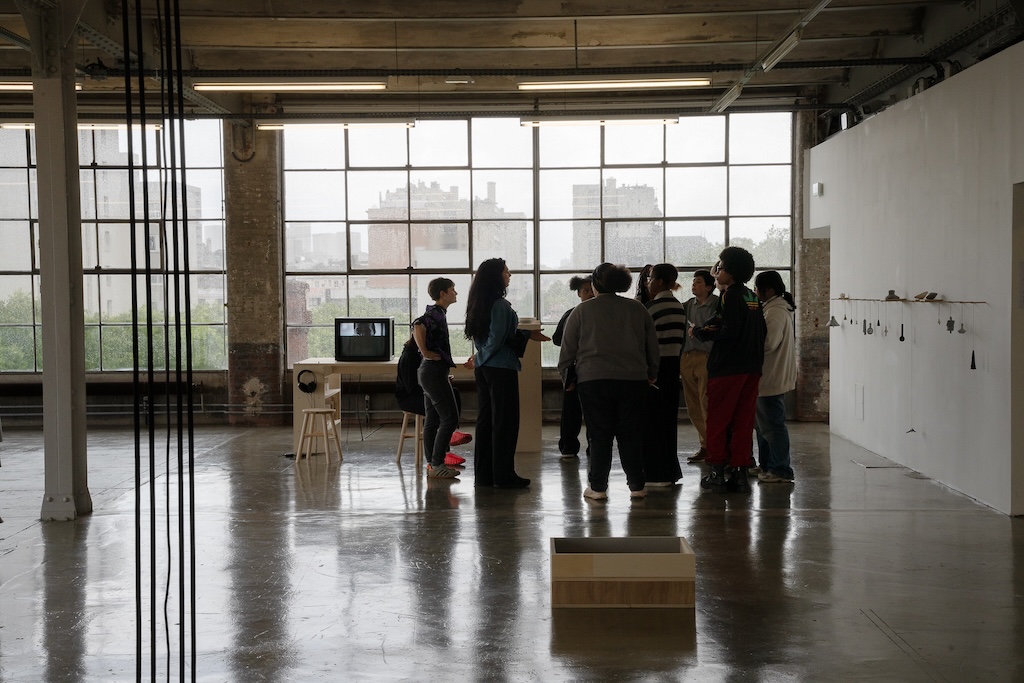
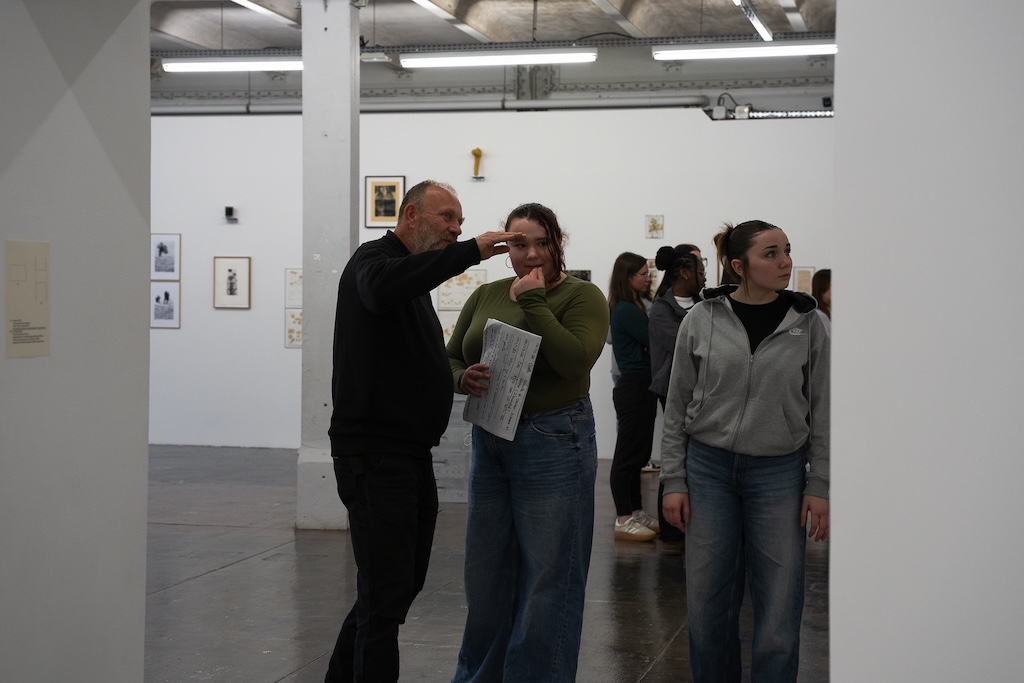
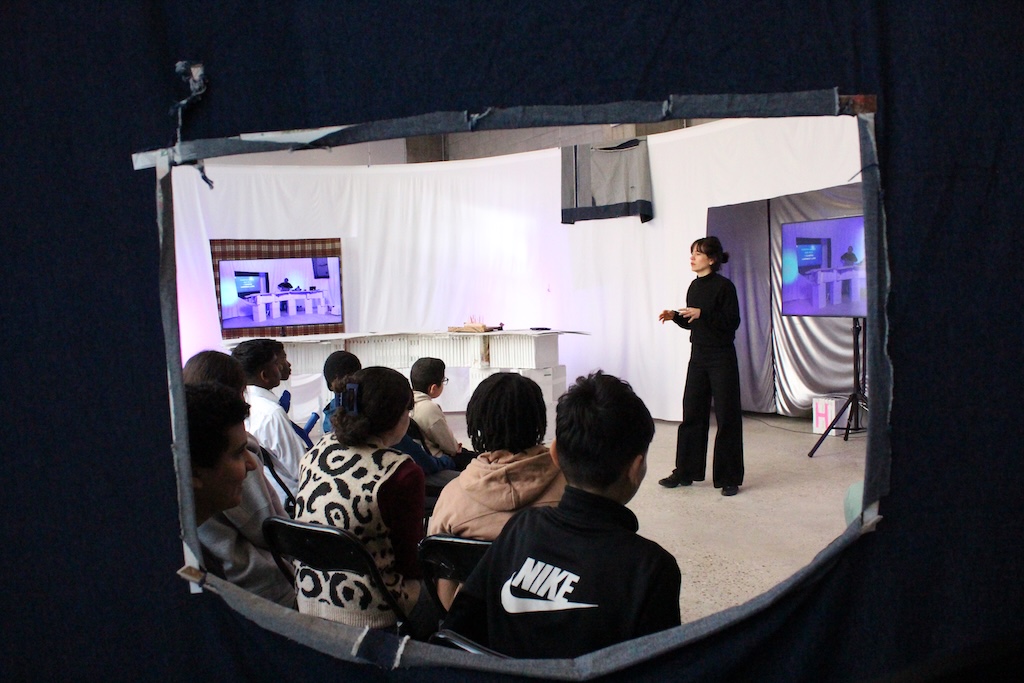
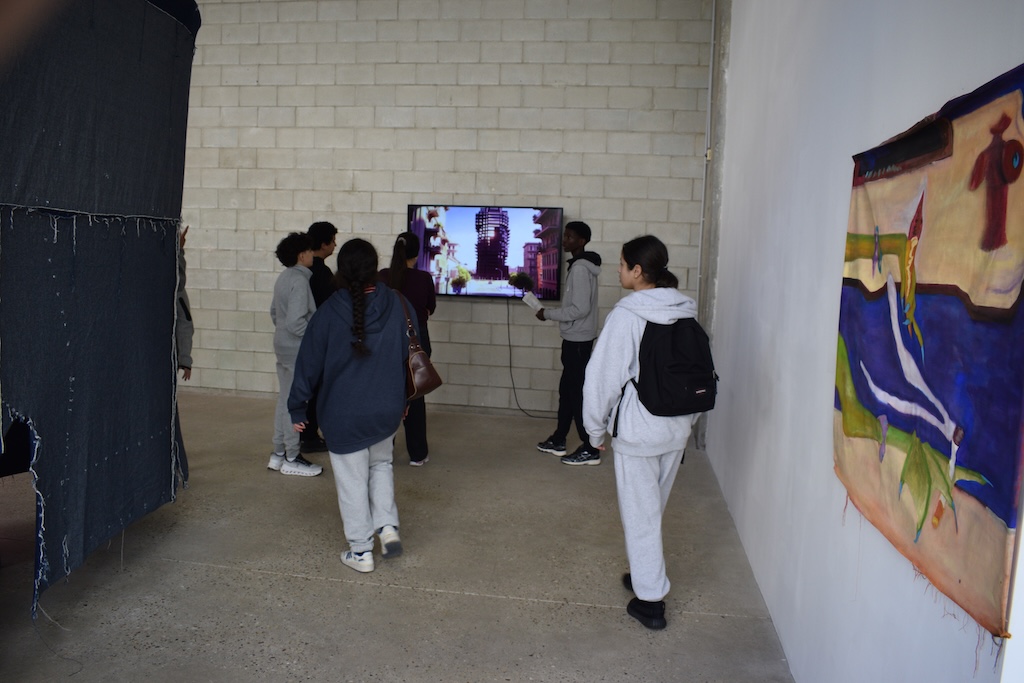
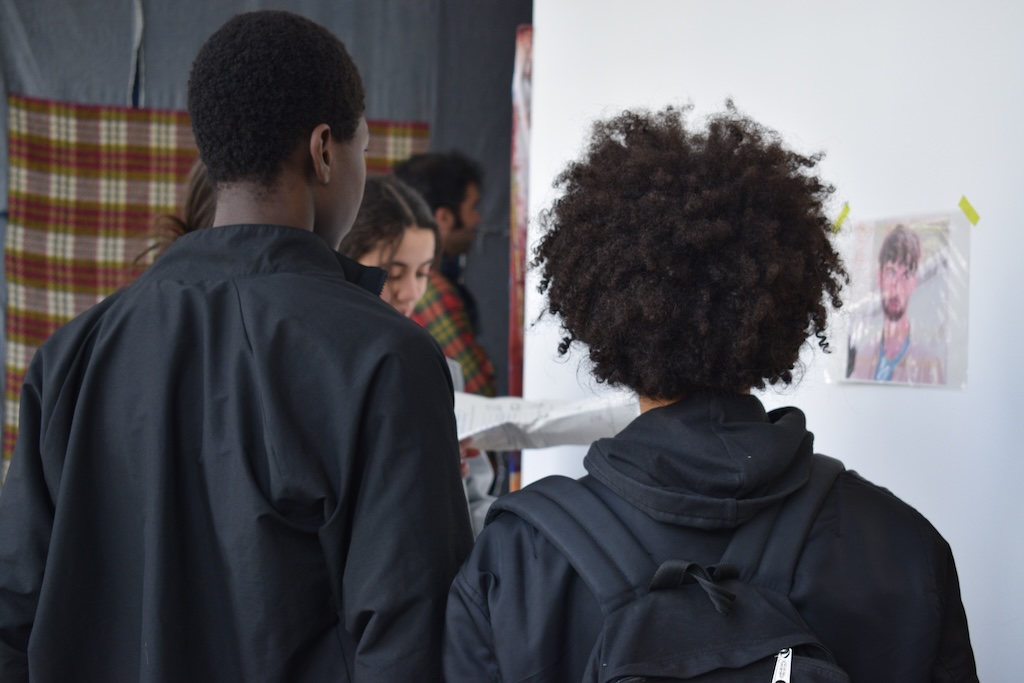
As part of the “Young Mediators Program,” a 9th-grade class at Henri Wallon Middle School (Aubervilliers) explored Jean-Alain Corre’s exhibition “Hibou TV Show” with the goal of presenting it to another class.
• The Young Mediators Program:
The 9th-grade class was invited to explore Jean-Alain Corre’s exhibition, research the artist, and design and lead a guided tour for another class from the middle school that visited the art center for a group presentation.
• The Workshop:
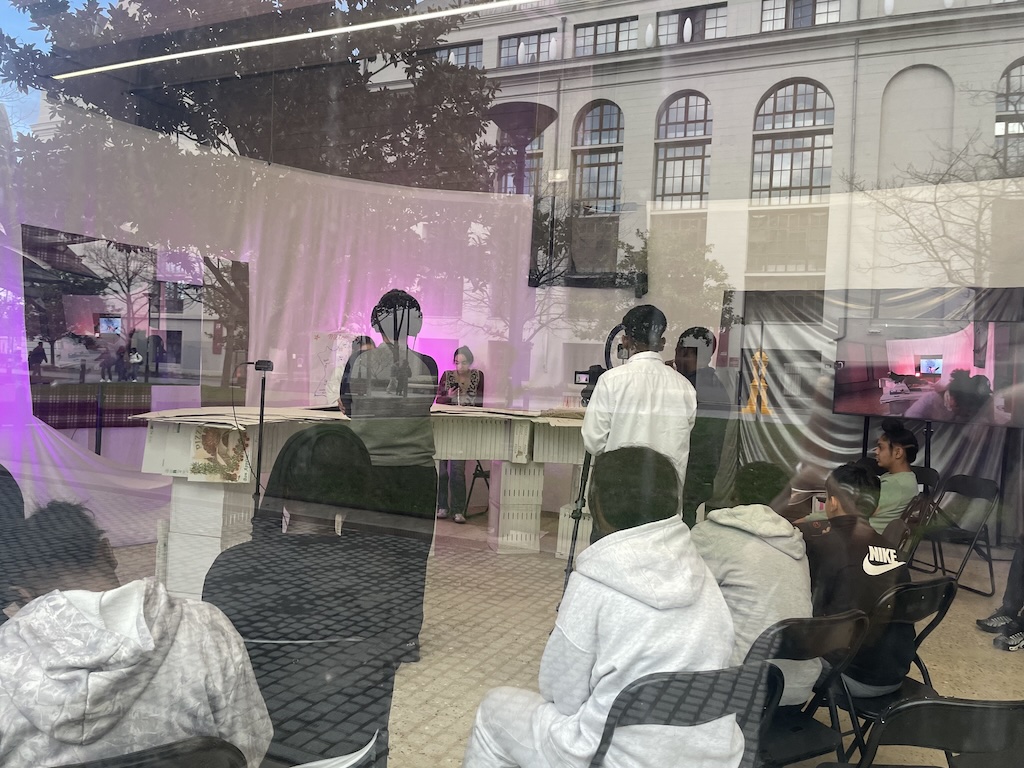
As part of Jean-Alain Corre’s exhibition—designed to resemble a television set—Lisa Lecuivre led a workshop exploring the construction of media images. Through staging, camera work, and discourse, the workshop examined the mechanisms of television production, questioning the spread of fake news and playing with the aesthetics of fun facts. Participants were invited to immerse themselves in this collective experience, to experiment with the conventions of television, and to question how information is constructed and performed. The workshop resulted in several original short television segments filmed within the exhibition’s set.
Sylvie Fortin – Curatorial research trip
February — July 2026
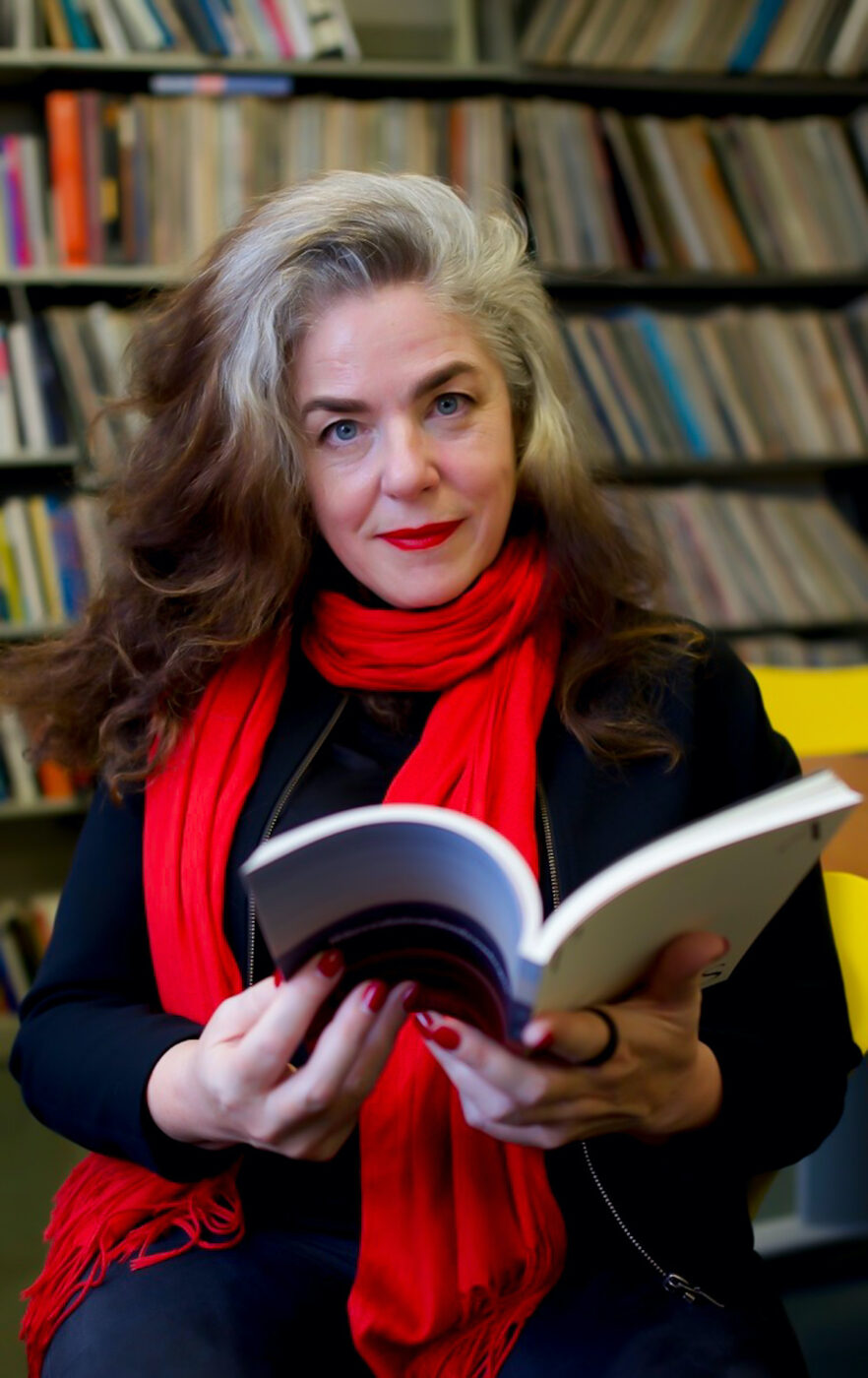
Bétonsalon is hosting Sylvie Fortin for a three-month curatorial research trip, structured in two phases (February and June/July 2026), combining research, experimental curatorial writing, and the development of collaborations. The aim is to synthesize her ongoing research on the intersections between hospitality and the economy, a line of inquiry that has informed her practice since 2022 through dialogue with contemporary artistic practices. From a theoretical perspective, the project examines the debt that economics and finance owe to hospitality—that is, what economic and financial thinking has borrowed from the philosophical concept of hospitality and its social practices. In parallel, it explores the economies of hospitality as they are enacted within contemporary artistic and institutional practices.
Conducted in collaboration with artistic organizations over the past several years, this iterative research has enabled her to investigate the effects of current (post-neoliberal) political and economic reconfigurations on local artistic, curatorial, and institutional practices in Buenos Aires, Venice, Lisbon, Bergen, and Vancouver. The residency at Bétonsalon will allow Sylvie Fortin to expand this field of inquiry and to convene an interdisciplinary research group focused on the debt of economics and finance to hospitality. This group has a threefold objective: to identify blind spots in her project, to stimulate the research of its participants, and to experiment with a range of meeting and exchange formats.
In the long wake of COVID-19, the post-neoliberal shock doctrine has imposed a series of unprecedented economic experiments and “concepts” which, fueled by algorithms, AI, and machine learning, aim to produce a secure, predictive future—for a minority. At the same time, the once sacrosanct economic concept of GDP has already been sidelined in favor of a far more incisive notion of “national wealth,” measured through “natural capital.” A profound revolution is currently redefining the value of every entity—living or inert—and value itself.
Sylvie Fortin’s research (as well as the exhibitions and publications that will follow) is both a response to this sweeping socio-economic reorganization and a counter-proposal. Through certain contemporary artistic forms, it traces the contours of resistance at the very heart of hospitality. The present moment calls for new ways of sensing and thinking, new intuitions and speculations. It calls upon our collective creative capacity to make these transformations perceptible. We must deploy new methods, test unfamiliar formulations, and propose experimental, solidaristic curatorial formats.
A constellation of questions fuels this research. What role has the (philosophical) concept of hospitality played in the emergence and dissemination of economic notions such as profit, interest, inflation, and speculation? What can we learn from the forms privileged by economics (or the representations attributed to it), such as the bubble, the cloud, the crash, and the graph? How are these forms transmitted, received, and interpreted? How do contemporary artists explore inflation, debt, currencies, speculation, bubbles, crashes, derivatives, and related phenomena in aesthetic, economic, political, and social terms? How do economic notions such as debt, inflation, and speculation become embodied? How do they infiltrate language, attention, perception, and desire? How do they permeate social relations and shape political imaginaries? How does the city—an incubator of forms of being together, now targeted by rampant gentrification—figure in artistic practices, whether as site, stage, mirage, symptom, motif, material, image, or rumor? What can hospitality teach us about financial instruments such as derivatives, debt trading, futures, and options? Can hospitality equip us to oppose the violence of ongoing restructurings? Can it open pathways for resisting neo-feudalism and fostering new forms of collectivity?
This research will lead to a draft essay, the conceptualization of a constellation of group exhibitions at varying scales circulating across Europe and the Americas, and a publication.
Magnetic Residencies #4 Raheel Khan
April — July 2026
The Magnetic Residencies artistic committee met on September 15, 2025, and selected artist Raheel Khan for a residency at Bétonsalon as part of the 4th edition of this program. Bétonsalon will host Raheel Khan in residence for three months, from April to early July 2026. He will receive a monthly grant of €2,500, benefit from a studio-apartment at the Cité Internationale des Arts as part of the Institut Français x Cité Internationale des Arts program, receive curatorial support from the Bétonsalon team, as well as networking opportunities with art professionals to develop his research.
Raheel Khan’s research will situate itself within the historical and contemporary trajectories of experimental sound in Paris, with particular reference to the compositional methodologies developed through Musique Concrète and subsequent electroacoustic practices. He is aiming to critically examine how the relationship between sound and human behaviour has transformed as auditory environments have shifted from the mechanical and industrial toward infrastructures characterised by digital automation, acoustic insulation, and operational silence. As formerly pervasive sonic markers of labour and urban modernity recede, a conceptual and perceptual vacuum emerges: what constitutes the auditory identity of public space when its material processes withdraw from audibility? How does listening evolve when it becomes increasingly privatised, introspective, or technologically mediated?
Engagement with institutions such as INA-GRM and CREM-CNRS is central to this investigation, given their extensive archival collections documenting the foundational theories, discourses, and socio-cultural implications of post-war sonic experimentation. His study focuses specifically on the vibrational and corporeal dimensions of sound — with an emphasis on low-frequency and voice-derived resonance — interrogating how such sonic phenomena operate not only as aesthetic material, but as agents of affective, behavioural, and collective experience. This inquiry aims to position devotional and ritual listening practices within a broader electroacoustic framework, hopefully broadening my perspective on how sound structures exist in both communal and individual modes of attention in the contemporary sphere.
Jagna Ciuchta, “5 Poems for S.”, 2026 Jagna Ciuchta with Noah Truong, Stéphanie Garzanti, Ketty Steward and Léa Cuenin.
13 May — 1 August 2026
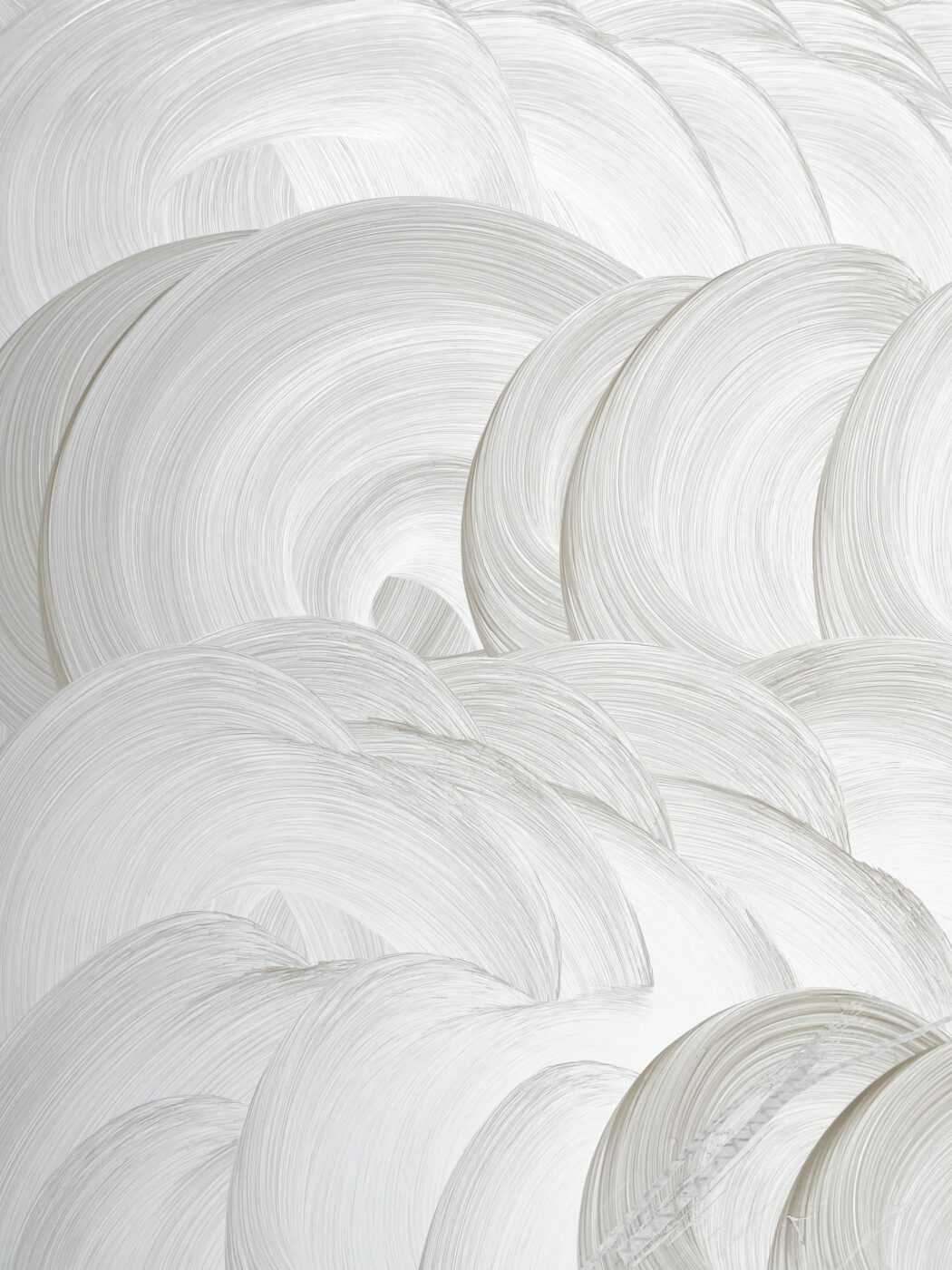
In connection with Sandra Lahire’s exhibition “Overexposed, like an X-ray” for which she designed the exhibition display, and following on from Sylvie Fanchon’s BONJOURSINOUSDISCUTIONS (a 2021 commission for a site-specific work), Jagna Ciuchta has invited four poets to participate in this project. Their poems are inscribed one after another in the Blanc de Meudon on the windows of Bétonsalon’s facade.
13-30 May: Noah Truong
3-13 June: Stéphanie Garzanti
17-27 June: Ketty Steward
1-18 July: Léa Cuenin
22 July-1 August: Jagna Ciuchta
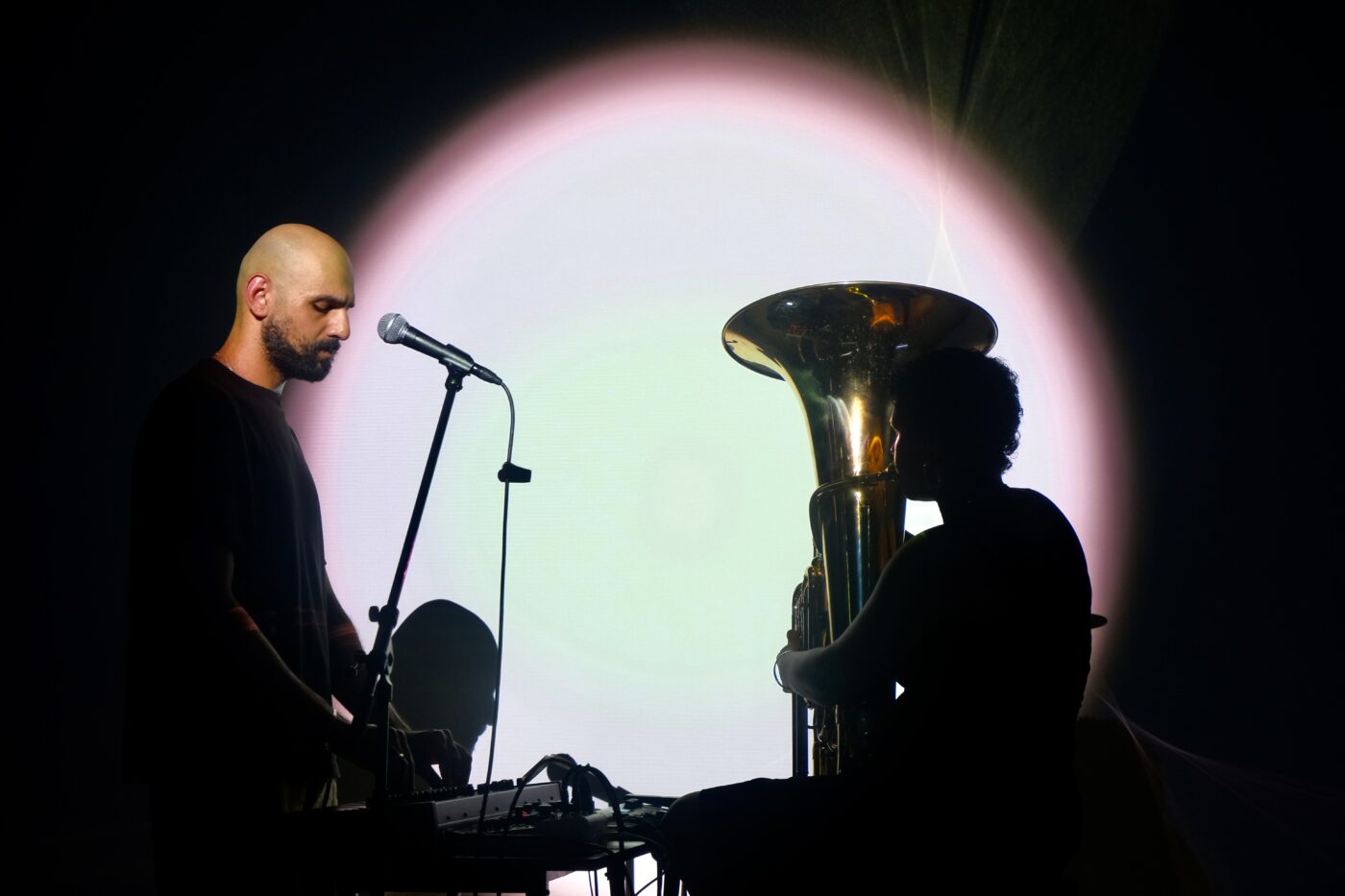
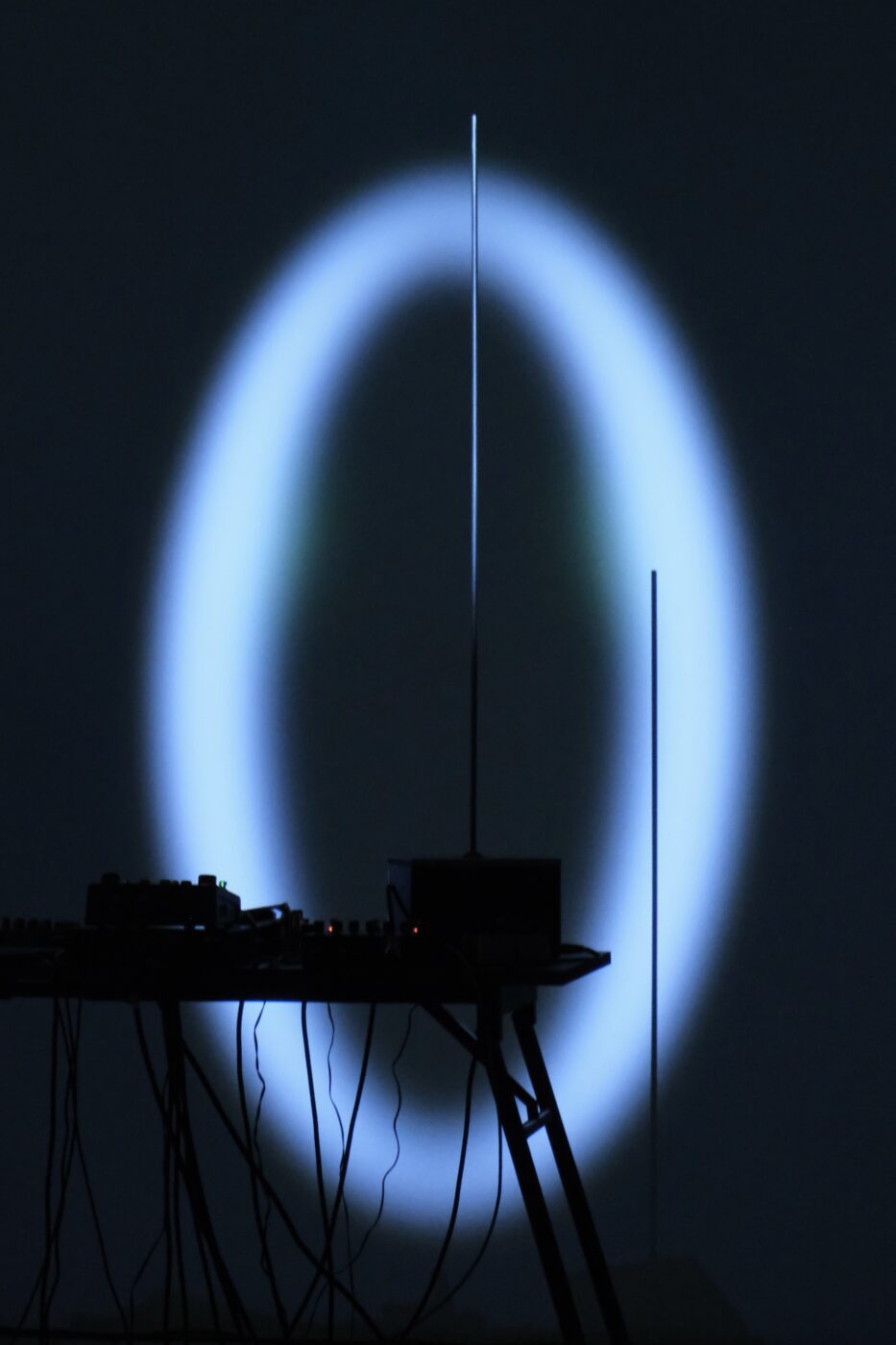
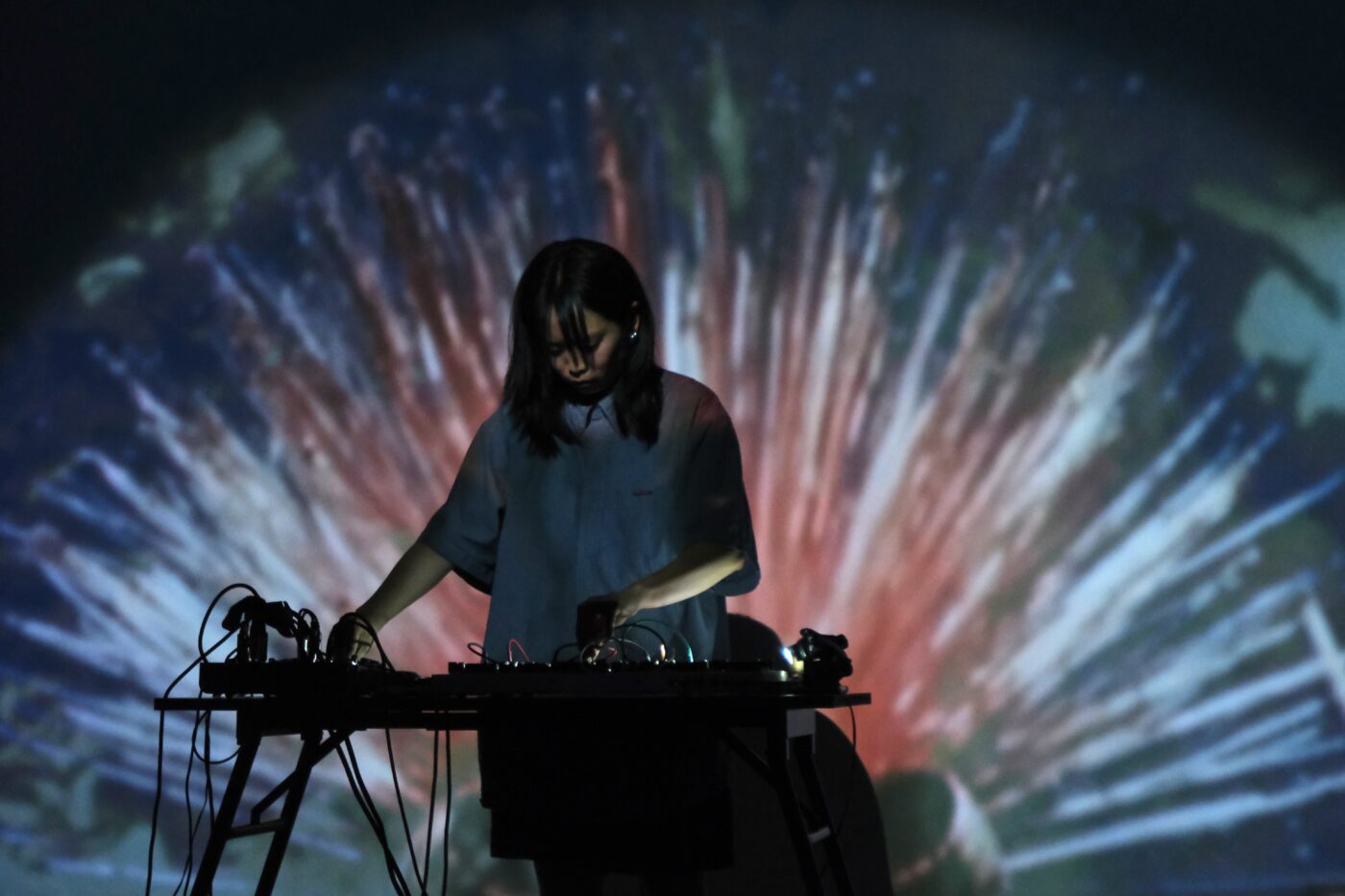
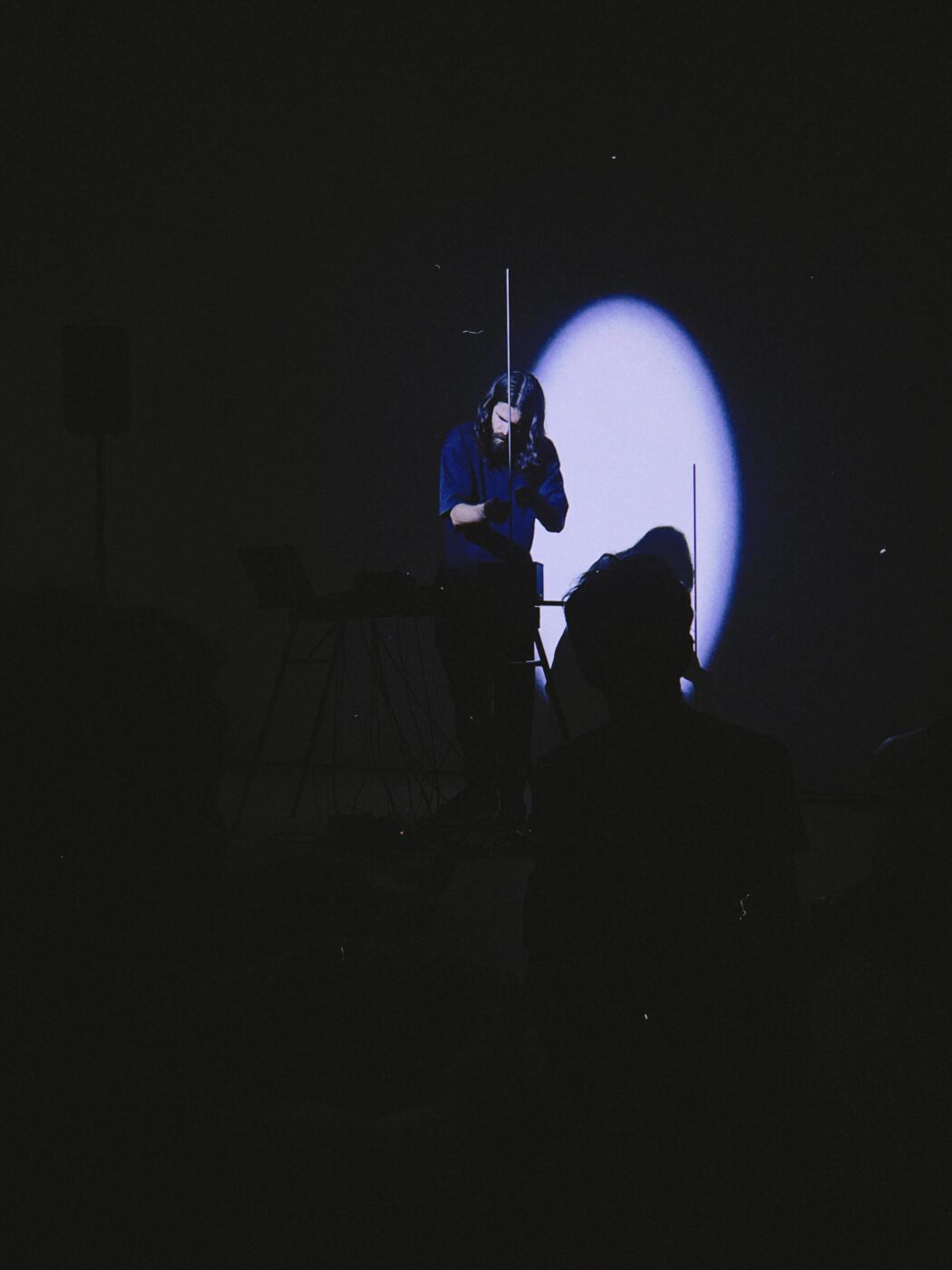
Test Sites With Kamila Narysheva & Vicky Clarke, Bart Bell, Elen Huynh, Raheel Khan & Hanna Mbuya
Saturday 20 June 2026
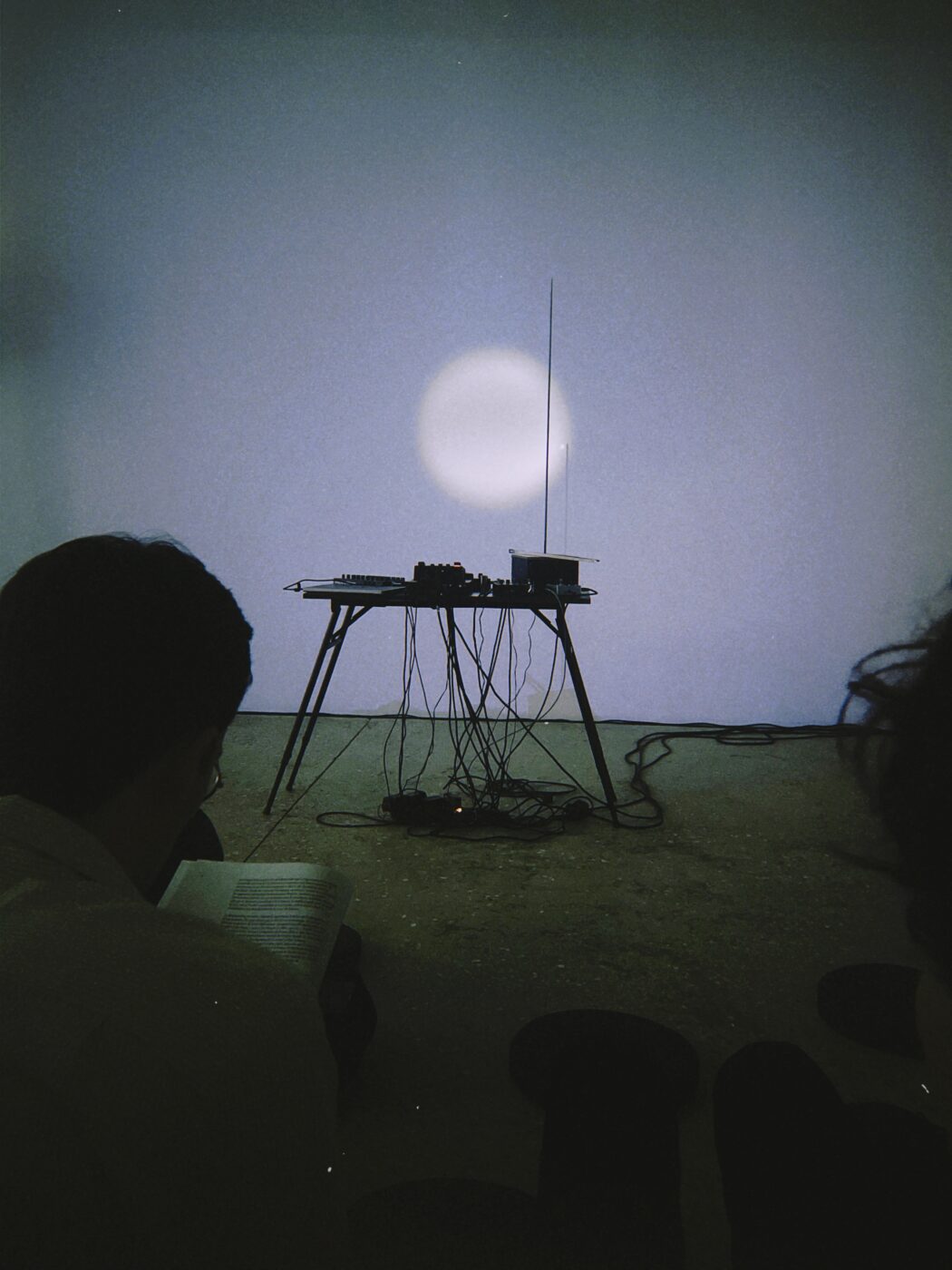
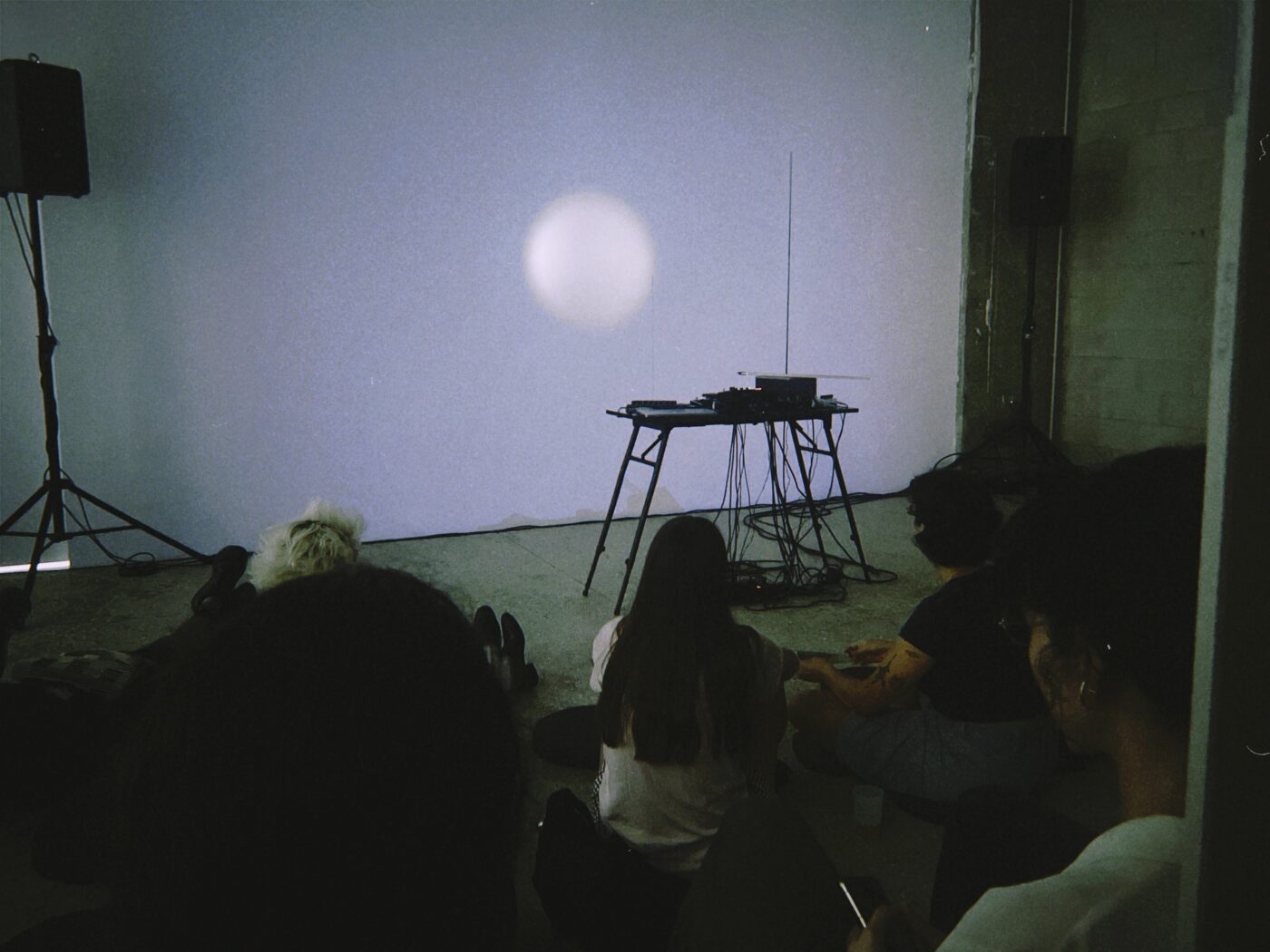
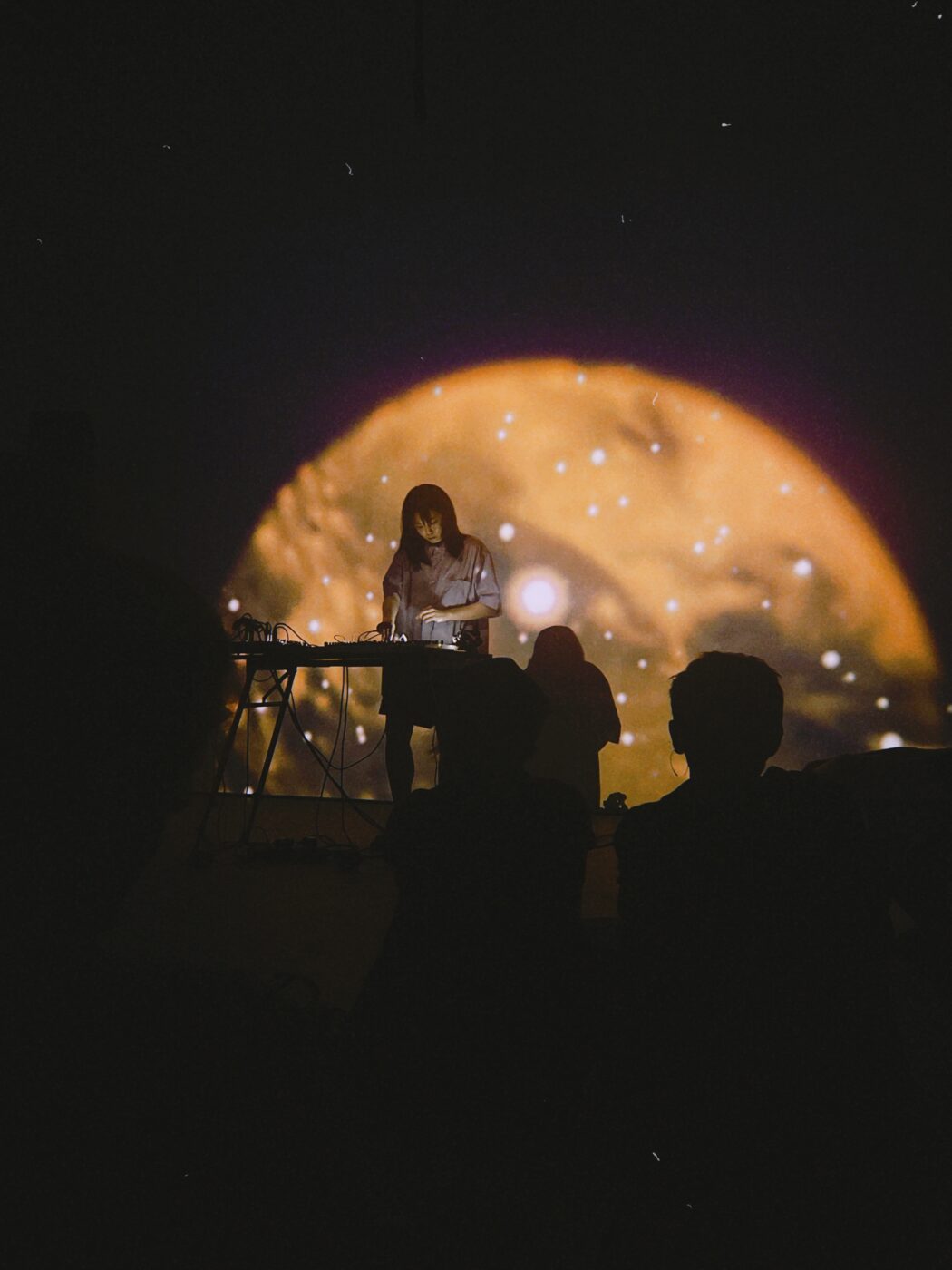
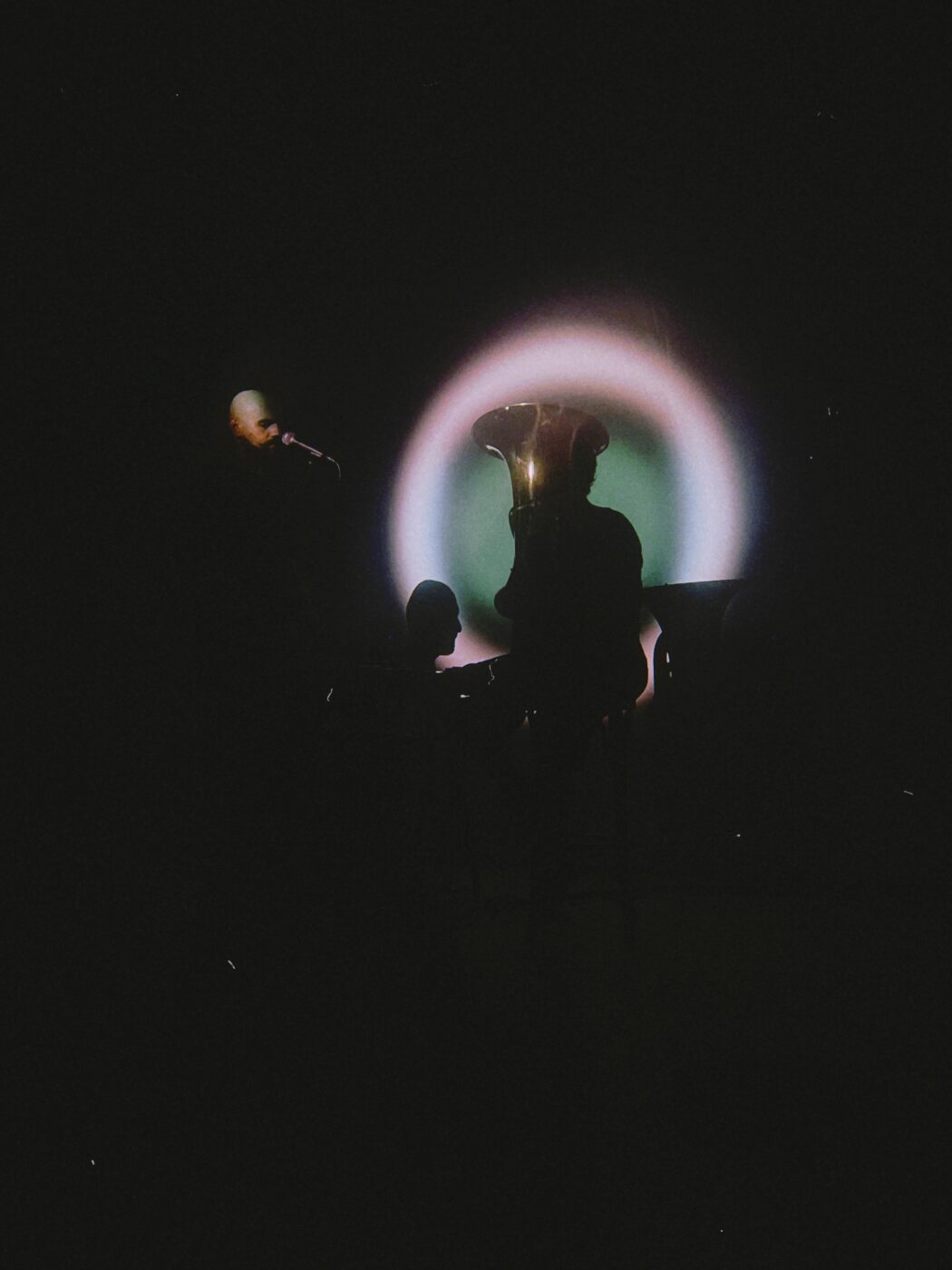
As part of Sandra Lahire’s exhibition “Overexposed, like an X-ray”, “Test Sites” was a sound program inspired by her work on nuclear themes. Rather than approaching the nuclear in its spectacular — and sometimes overwhelming — dimension, the program sought to explore its diffuse presence — almost banal and invisible — within our everyday life. Yet, operating quietly on bodies and environments, the nuclear transformed and altered over time.
Carried by multiple artists, “Test Sites” unfolded as a movement that gradually became more introspective and visceral. An immersive experience that engaged both listening and the body, it echoed the way Lahire explored processes of alteration and zones of disturbance between bodies (her own, those of workers, and non-human animals), the environment, and the film medium.