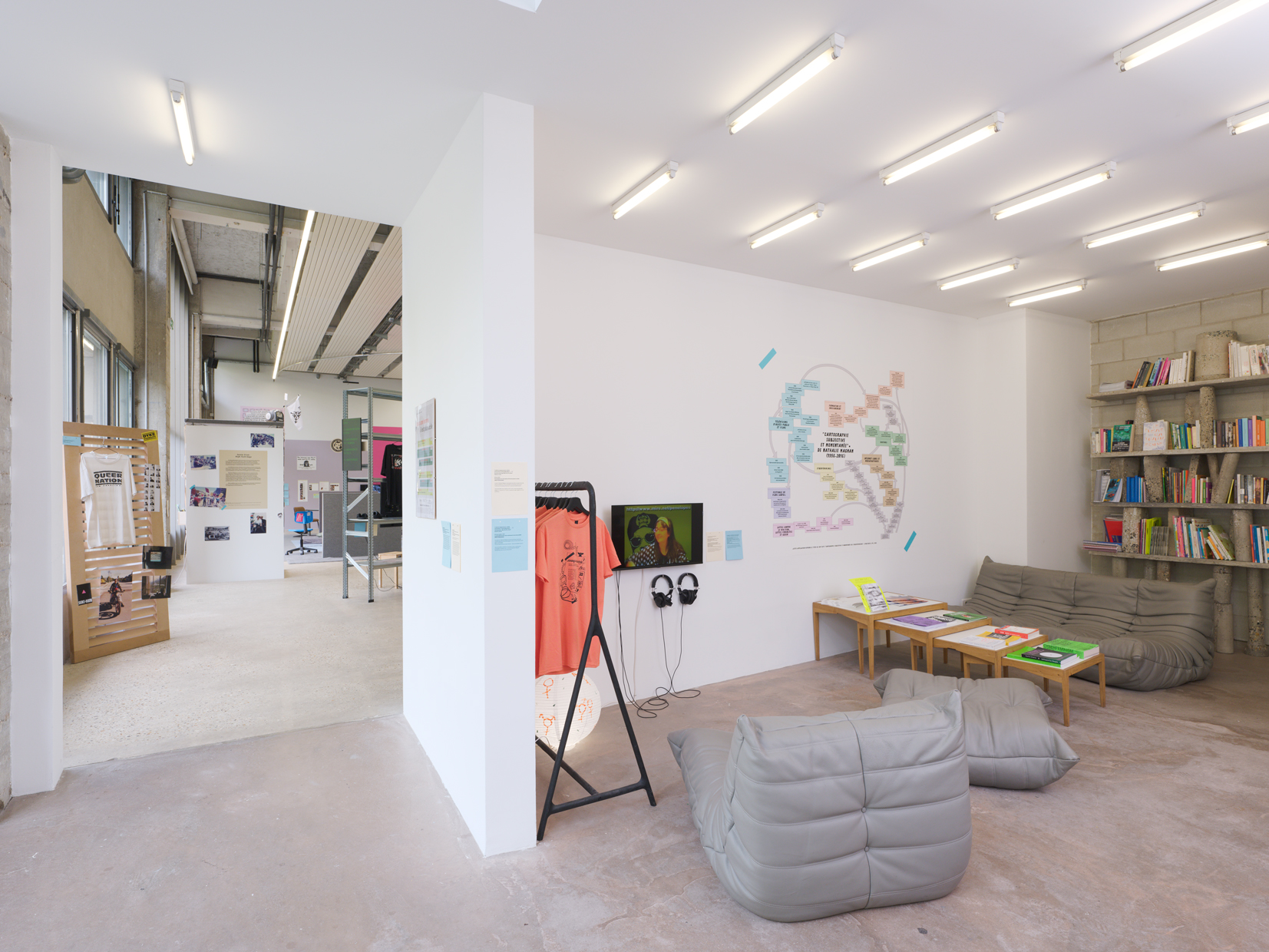
Exhibition view from « Magnanrama, Media, technologies, identities and networks around Nathalie Magnan », cur. Mathilde Belouali, Bétonsalon – centre for art and research, Paris, 2026. © Photo: Aurélien Mole.

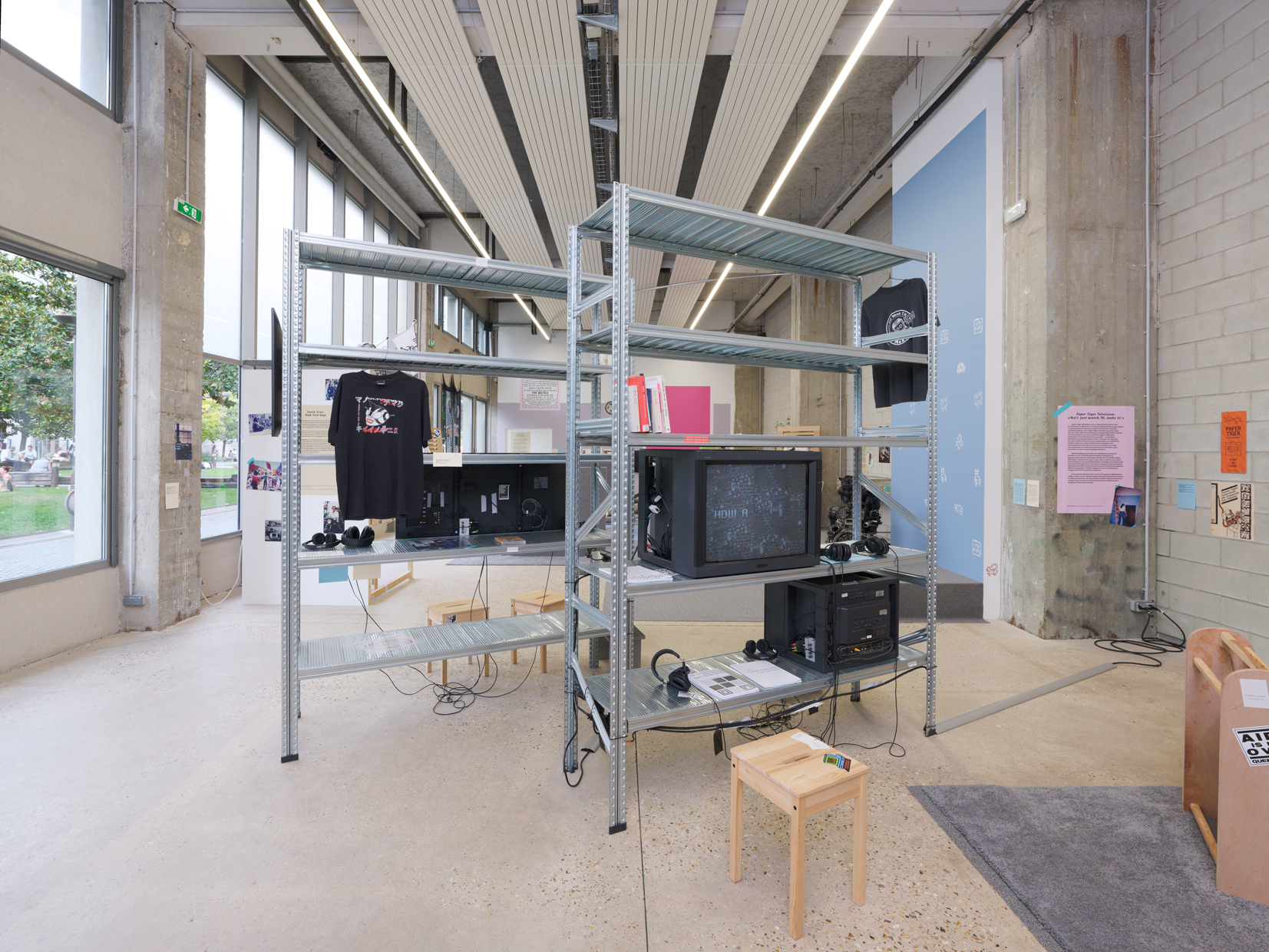
Exhibition view from « Magnanrama, Media, technologies, identities and networks around Nathalie Magnan », cur. Mathilde Belouali, Bétonsalon – centre for art and research, Paris, 2026. © Photo: Aurélien Mole.
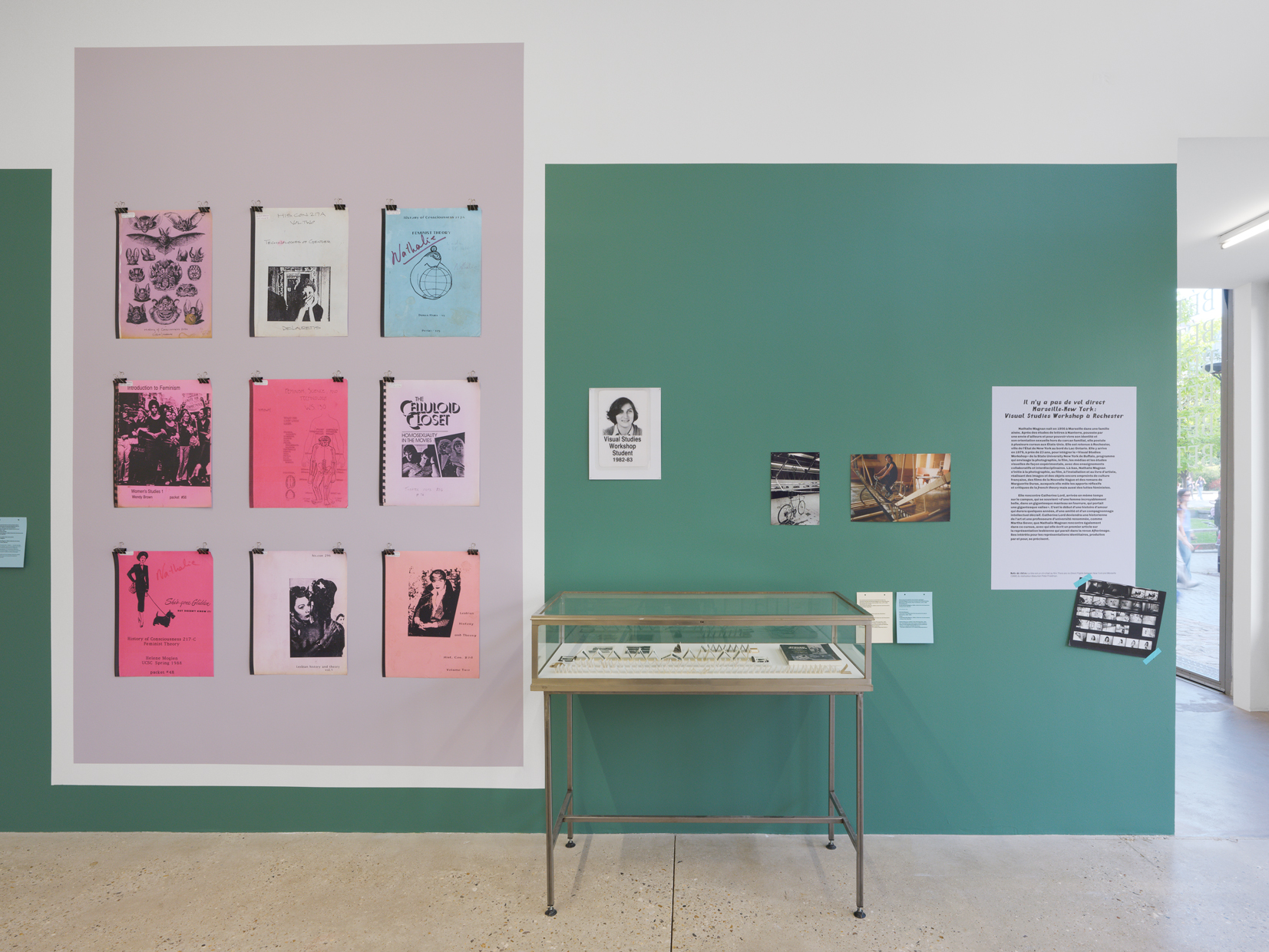
Exhibition view from « Magnanrama, Media, technologies, identities and networks around Nathalie Magnan », cur. Mathilde Belouali, Bétonsalon – centre for art and research, Paris, 2026. © Photo: Aurélien Mole.
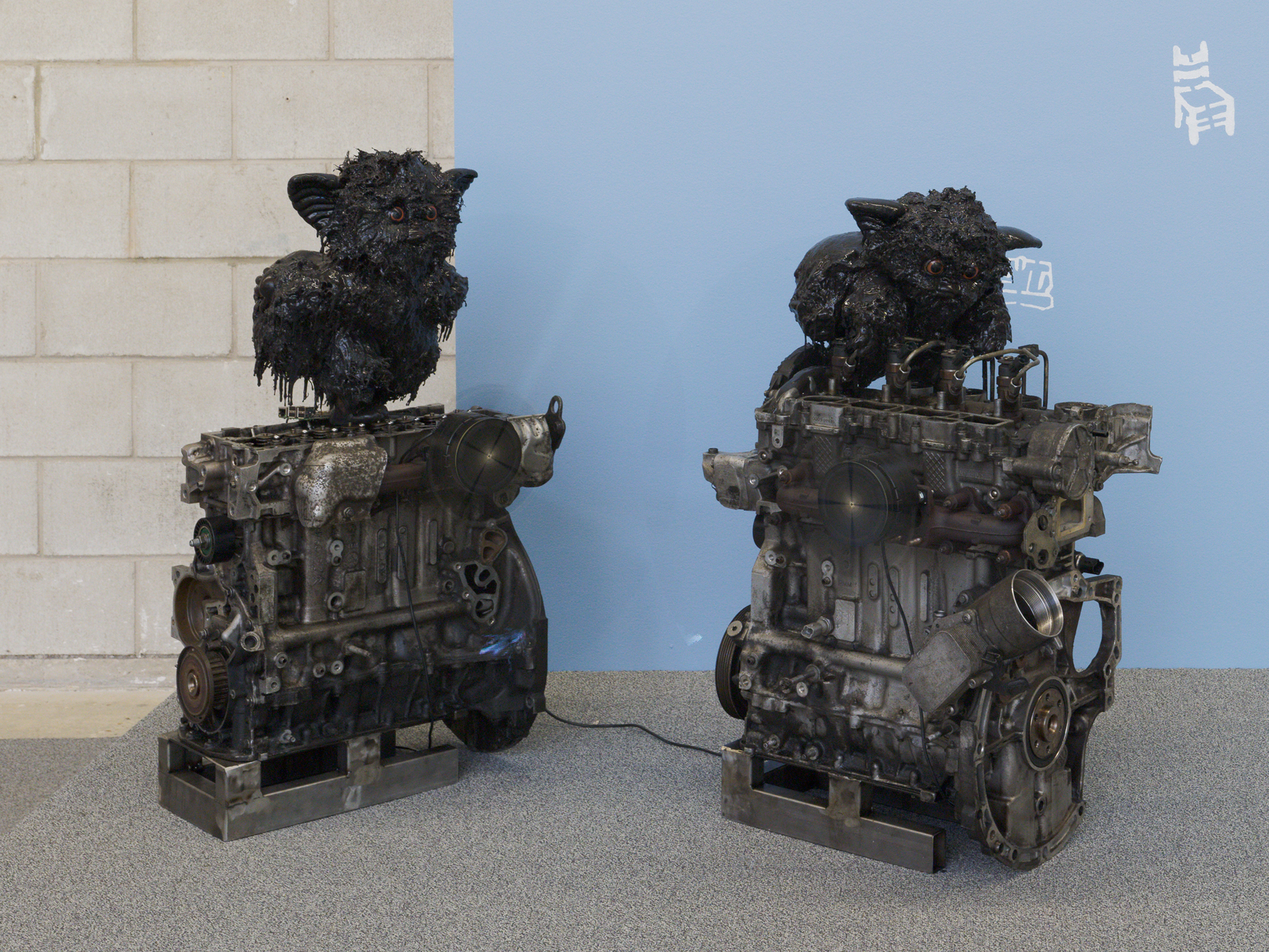
Gremline Internationale (cummunism), 2026, Video, car engines, silicone, lasers, holographic fans, Cindy Coutant, exhibition « Magnanrama, Media, technologies, identities and networks around Nathalie Magnan », cur. Mathilde Belouali, Bétonsalon – centre for art and research, Paris, 2026. © Photo: Aurélien Mole.
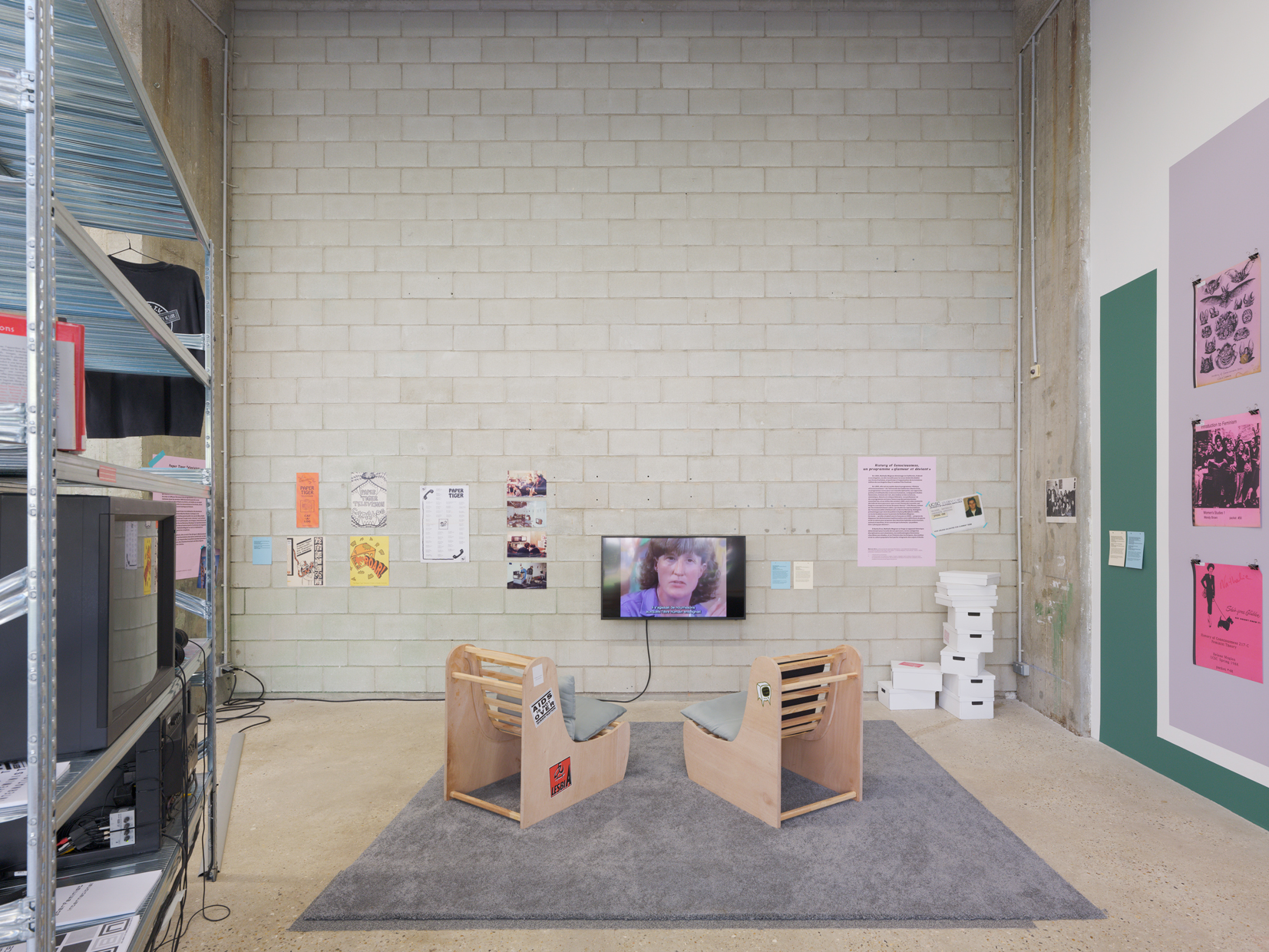
Exhibition view from « Magnanrama, Media, technologies, identities and networks around Nathalie Magnan », cur. Mathilde Belouali, Bétonsalon – centre for art and research, Paris, 2026. © Photo: Aurélien Mole.
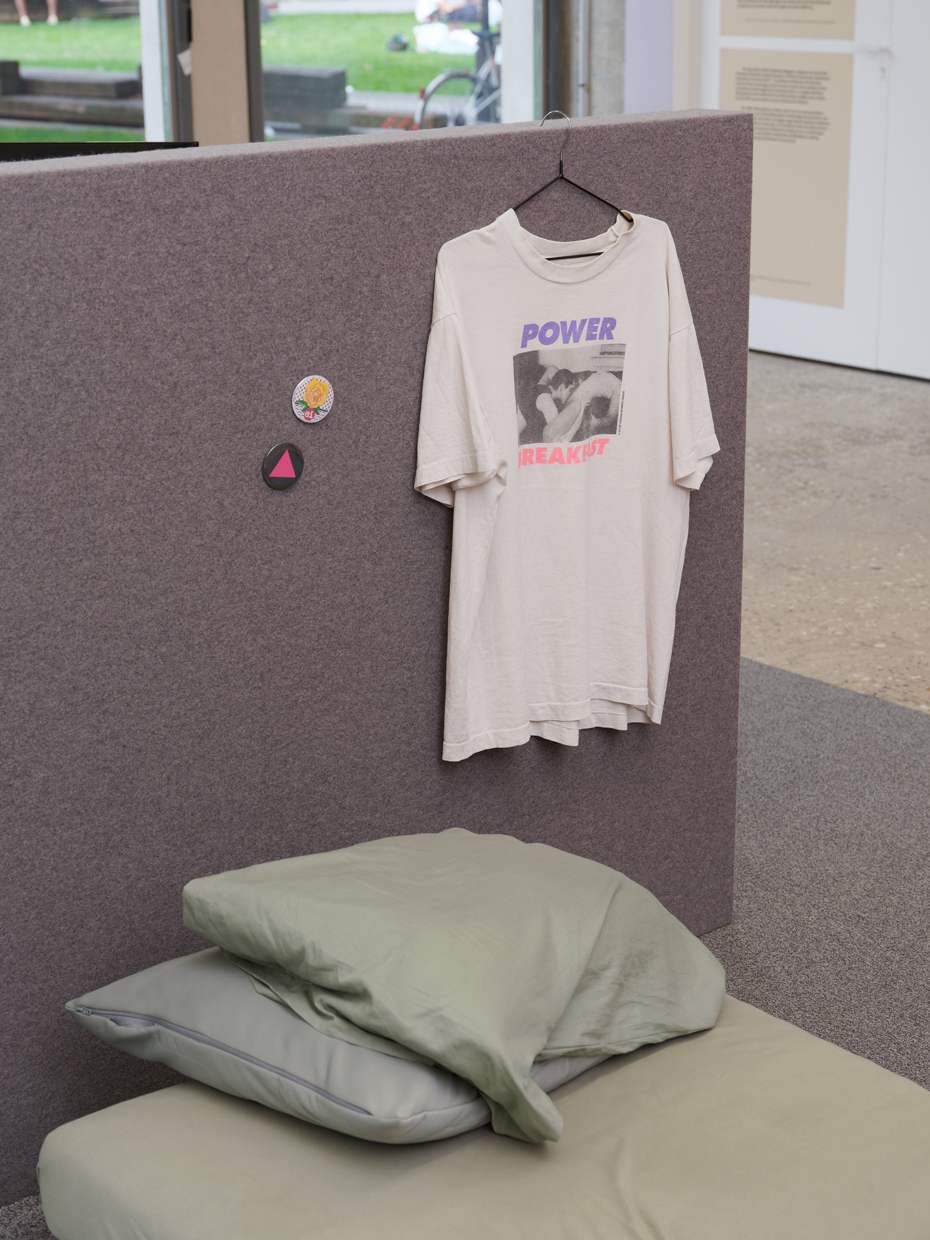
Exhibition view from « Magnanrama, Media, technologies, identities and networks around Nathalie Magnan », cur. Mathilde Belouali, Bétonsalon – centre for art and research, Paris, 2026. © Photo: Aurélien Mole.
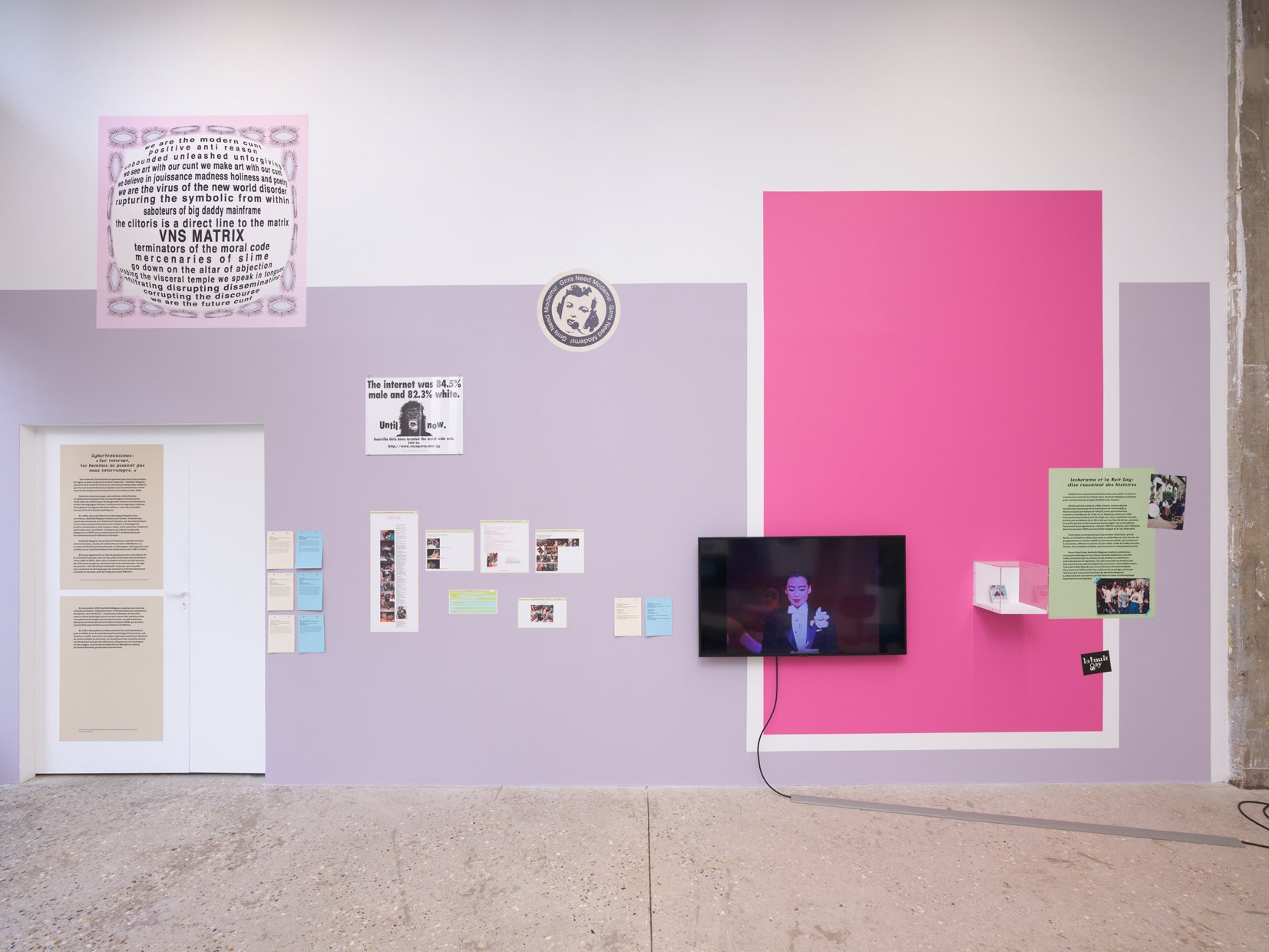
Exhibition view from « Magnanrama, Media, technologies, identities and networks around Nathalie Magnan », cur. Mathilde Belouali, Bétonsalon – centre for art and research, Paris, 2026. © Photo: Aurélien Mole.
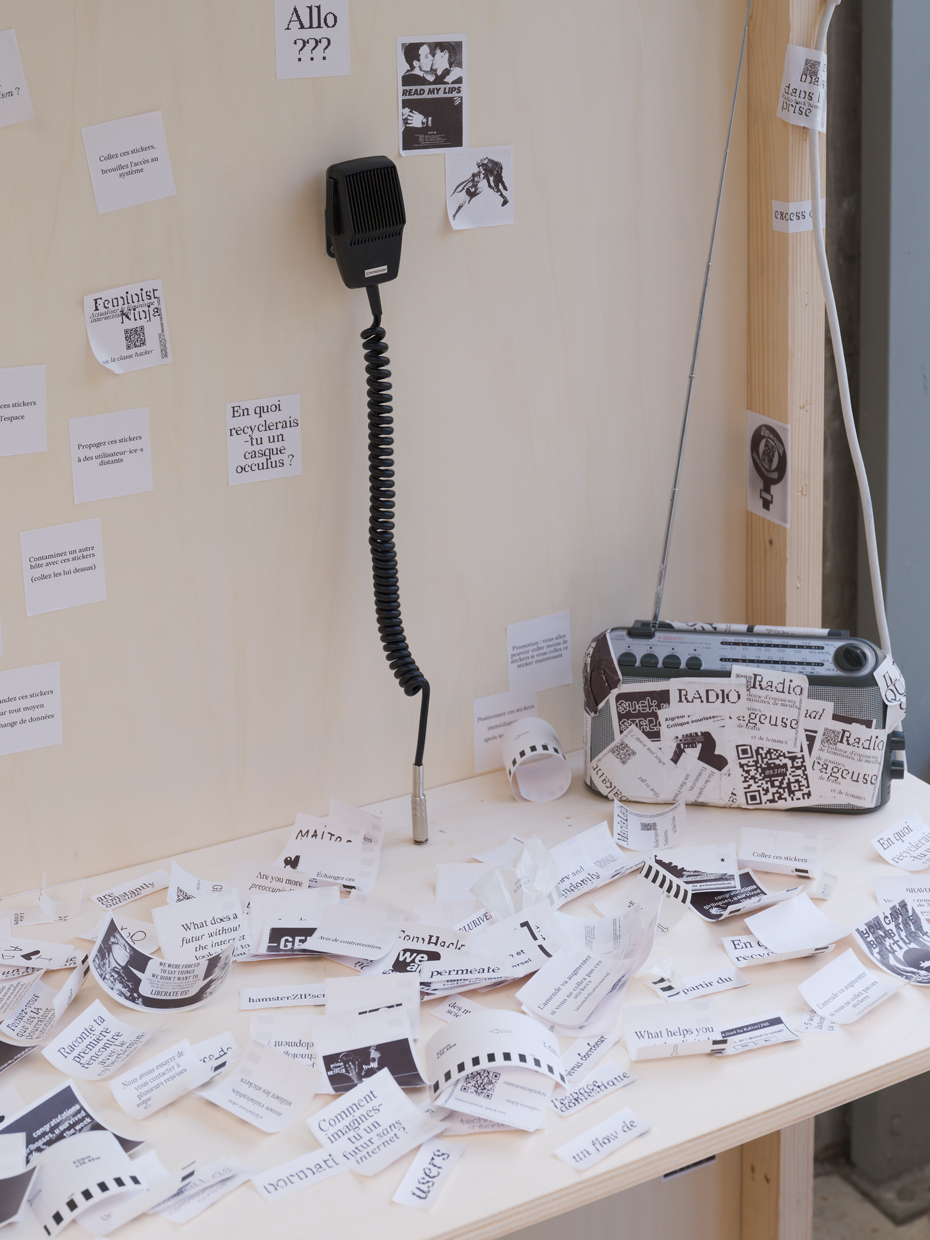
badTrans, 2026, Second-hand computer equipment, electromagnetic waves, sheeting, wood, cables, code, Chloé Desmoineaux, Bobby Brim, Ada LaNerd, exhibition « Magnanrama, Media, technologies, identities and networks around Nathalie Magnan », cur. Mathilde Belouali, Bétonsalon – centre for art and research, Paris, 2026. © Photo: Aurélien Mole.
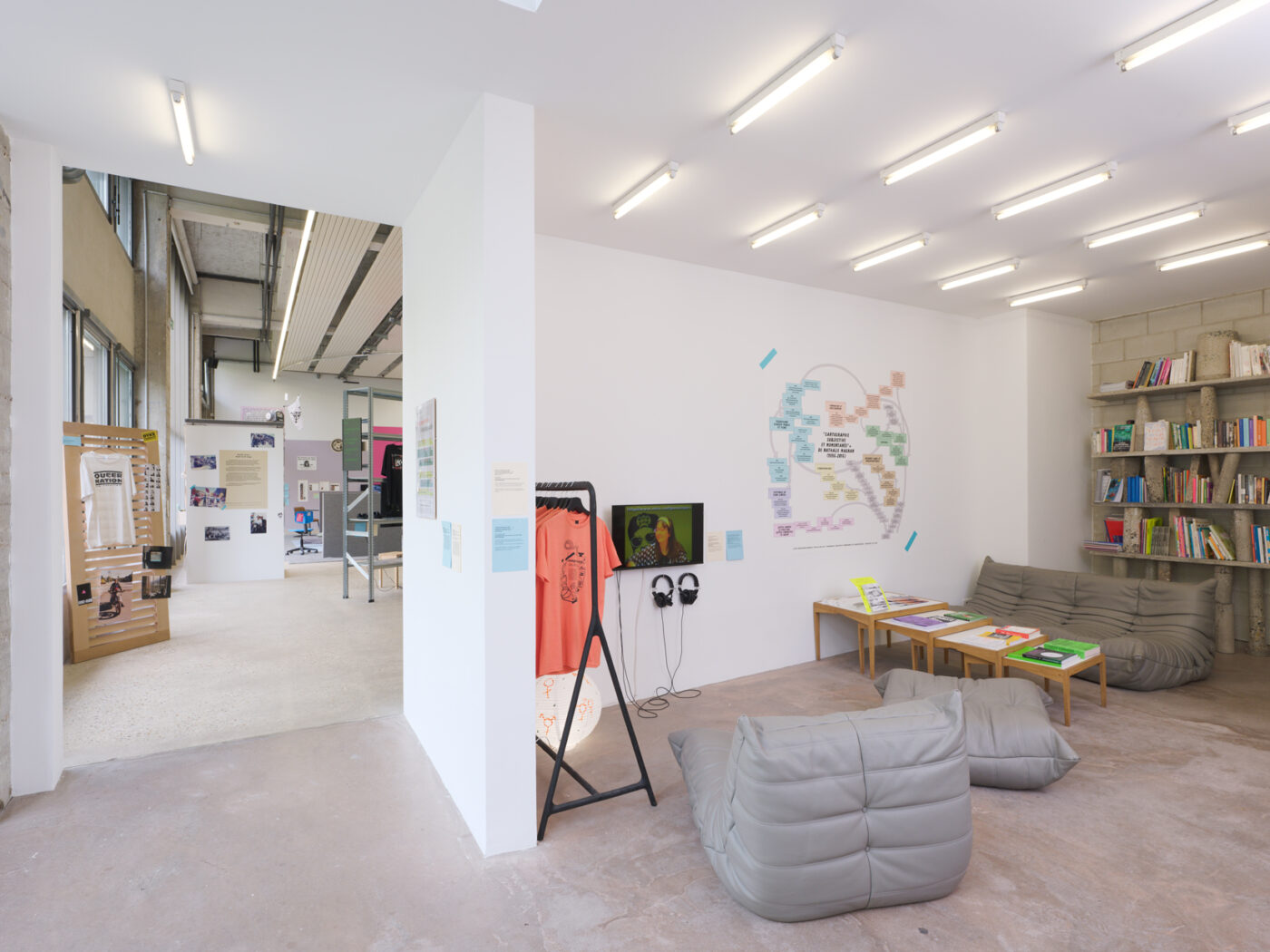
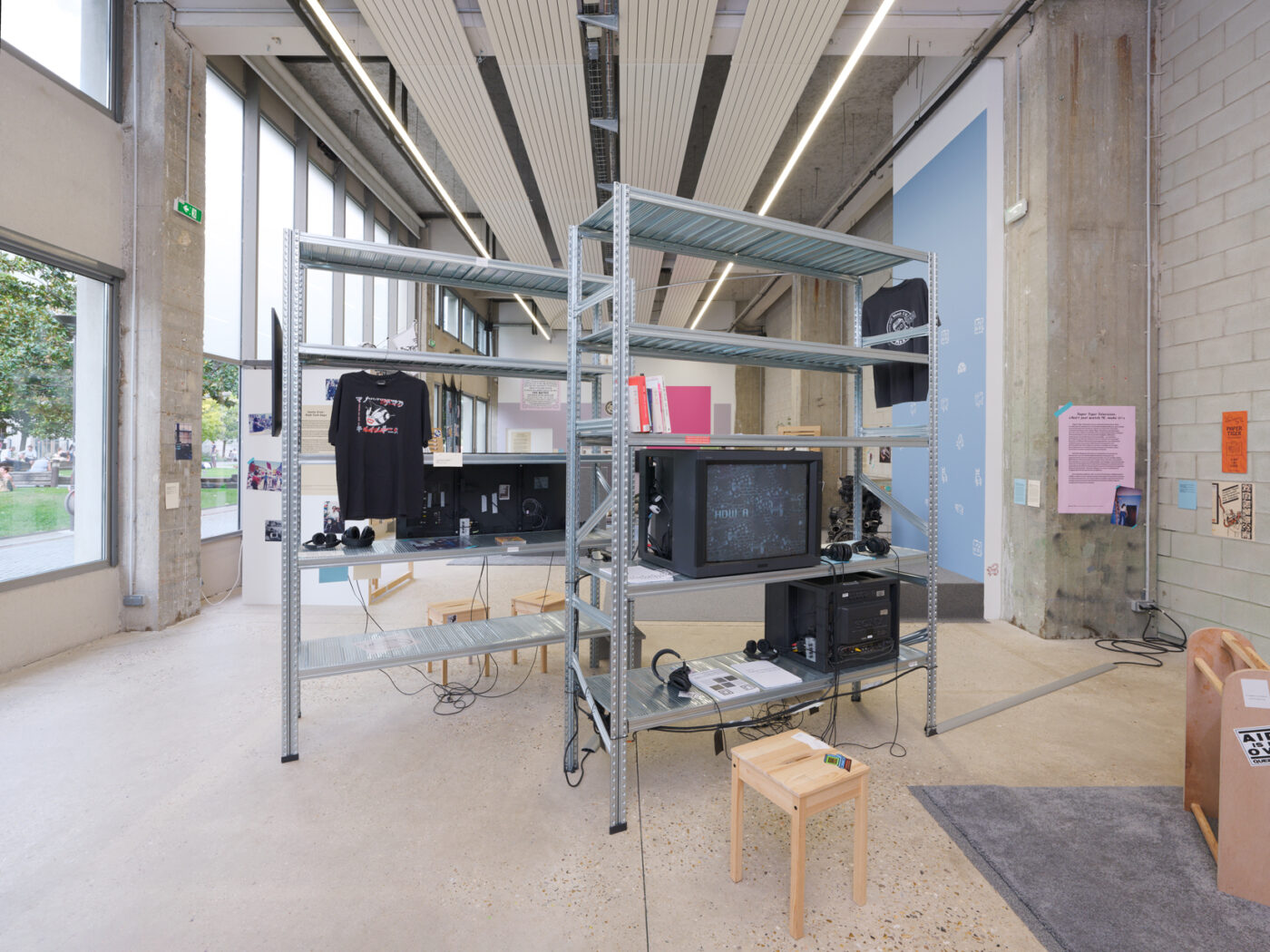
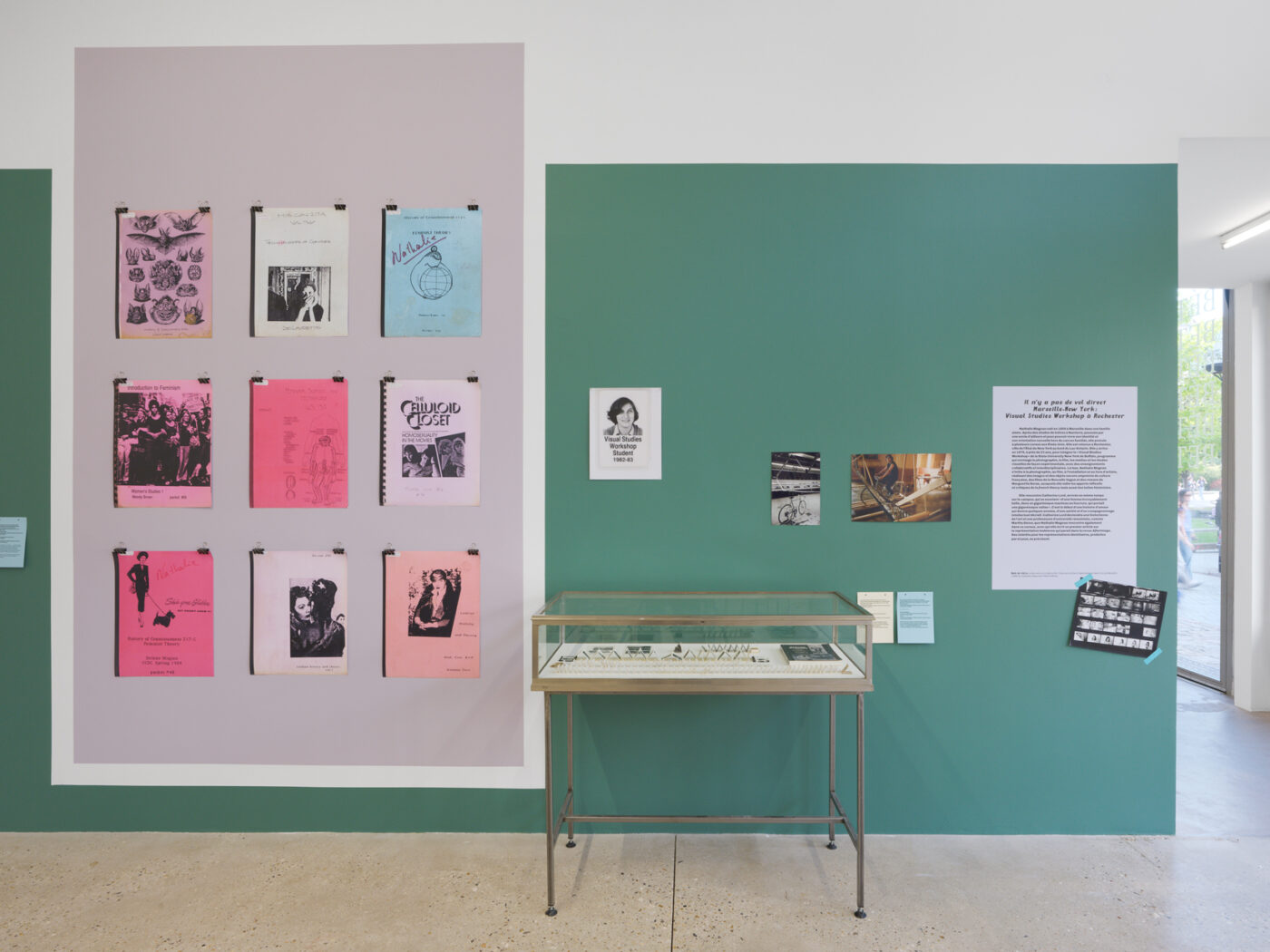
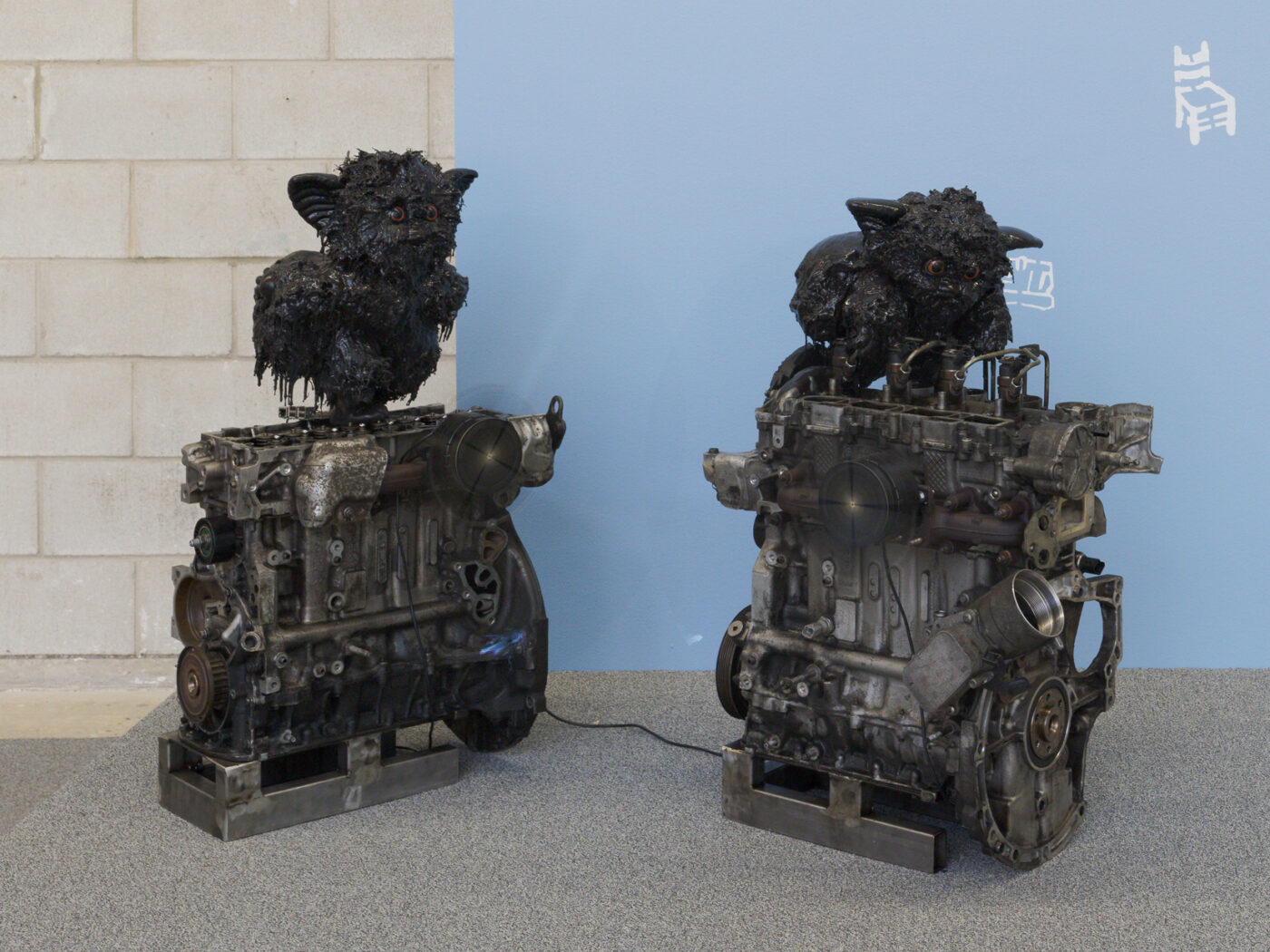
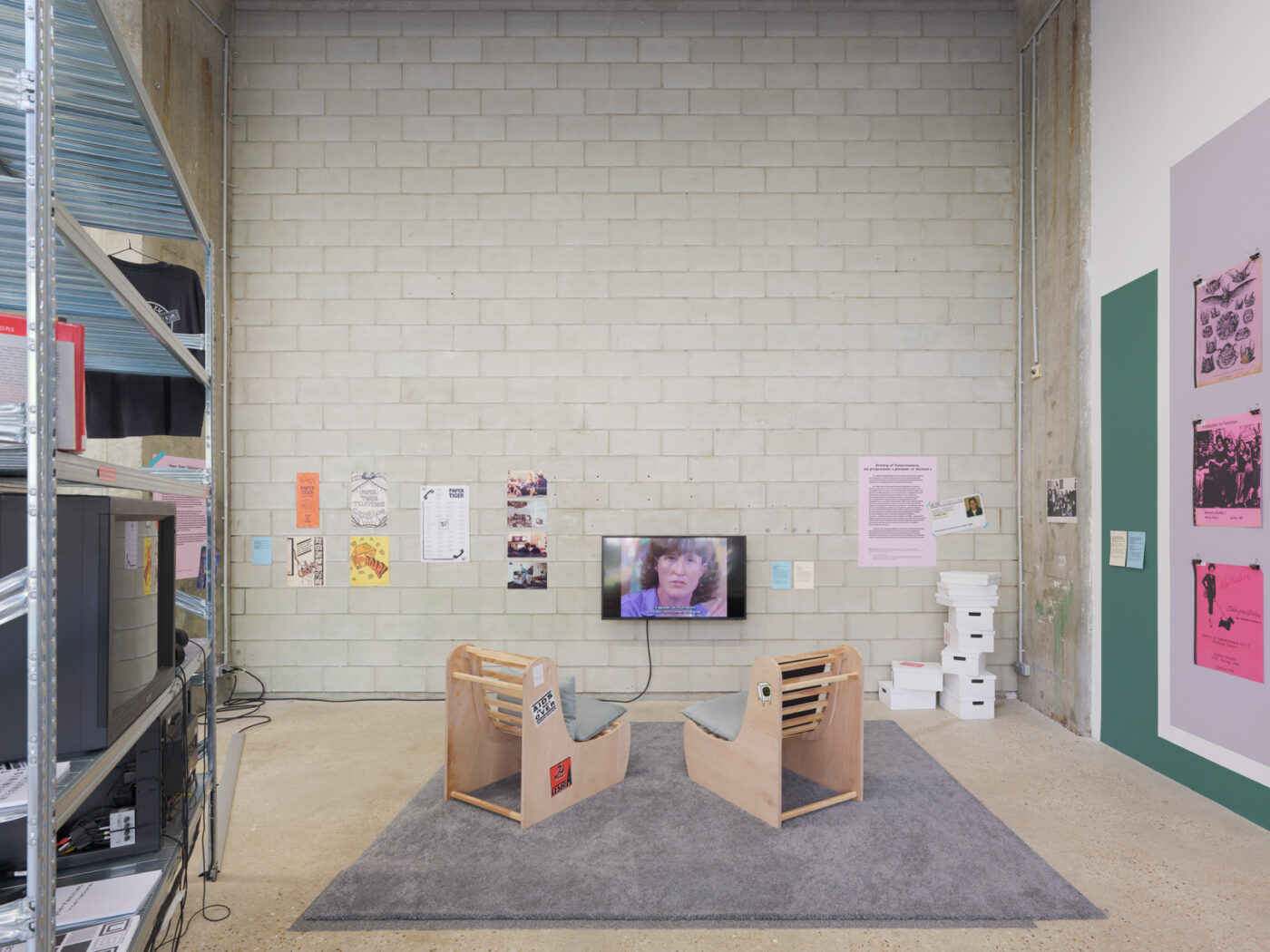
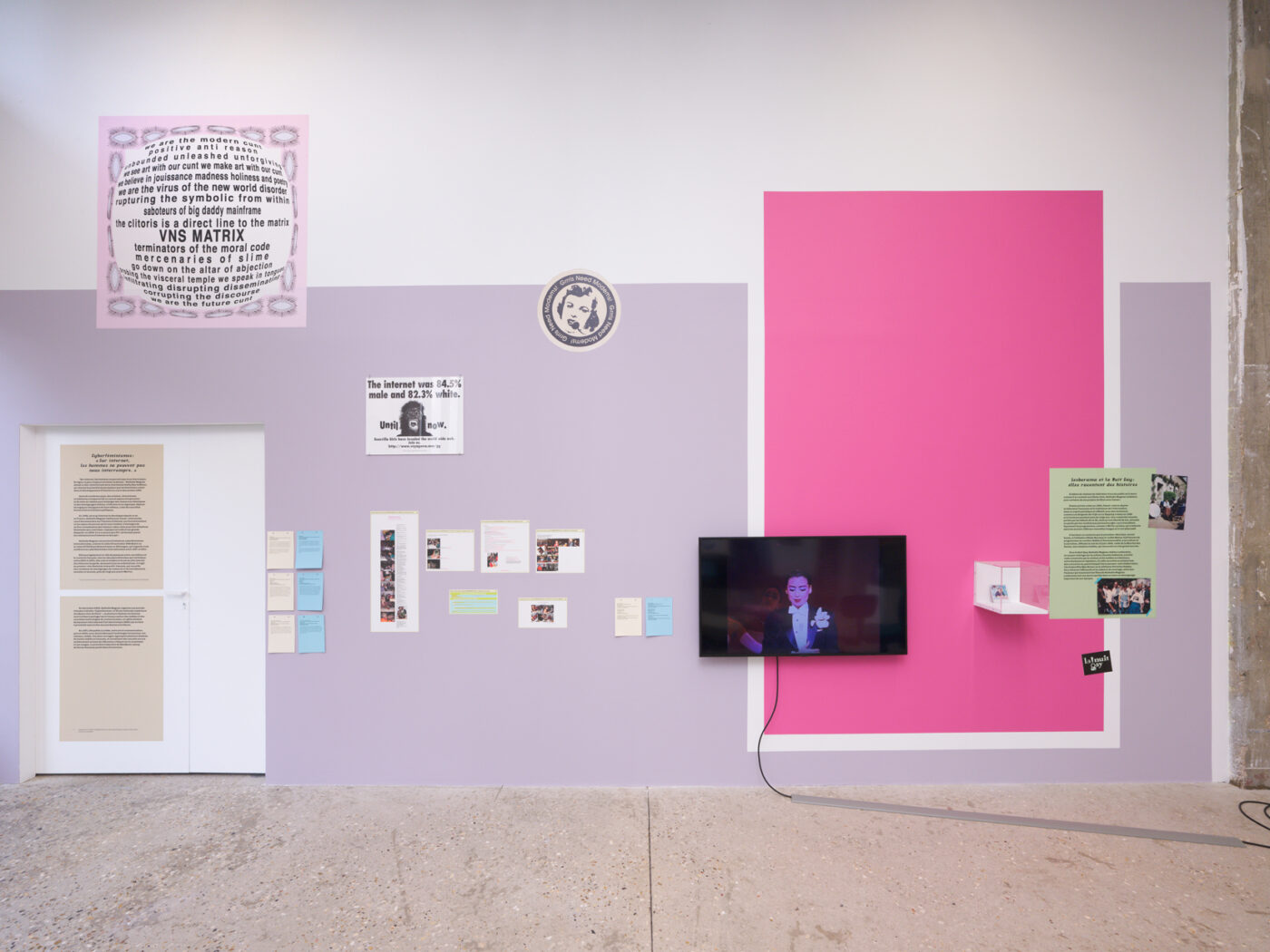

Exhibition view from « Magnanrama, Media, technologies, identities and networks around Nathalie Magnan », cur. Mathilde Belouali, Bétonsalon – centre for art and research, Paris, 2026. © Photo: Aurélien Mole.

Exhibition view from « Magnanrama, Media, technologies, identities and networks around Nathalie Magnan », cur. Mathilde Belouali, Bétonsalon – centre for art and research, Paris, 2026. © Photo: Aurélien Mole.
Exhibition view from « Magnanrama, Media, technologies, identities and networks around Nathalie Magnan », cur. Mathilde Belouali, Bétonsalon – centre for art and research, Paris, 2026. © Photo: Aurélien Mole.
Gremline Internationale (cummunism), 2026, Video, car engines, silicone, lasers, holographic fans, Cindy Coutant, exhibition « Magnanrama, Media, technologies, identities and networks around Nathalie Magnan », cur. Mathilde Belouali, Bétonsalon – centre for art and research, Paris, 2026. © Photo: Aurélien Mole.
Exhibition view from « Magnanrama, Media, technologies, identities and networks around Nathalie Magnan », cur. Mathilde Belouali, Bétonsalon – centre for art and research, Paris, 2026. © Photo: Aurélien Mole.
Exhibition view from « Magnanrama, Media, technologies, identities and networks around Nathalie Magnan », cur. Mathilde Belouali, Bétonsalon – centre for art and research, Paris, 2026. © Photo: Aurélien Mole.
Exhibition view from « Magnanrama, Media, technologies, identities and networks around Nathalie Magnan », cur. Mathilde Belouali, Bétonsalon – centre for art and research, Paris, 2026. © Photo: Aurélien Mole.
badTrans, 2026, Second-hand computer equipment, electromagnetic waves, sheeting, wood, cables, code, Chloé Desmoineaux, Bobby Brim, Ada LaNerd, exhibition « Magnanrama, Media, technologies, identities and networks around Nathalie Magnan », cur. Mathilde Belouali, Bétonsalon – centre for art and research, Paris, 2026. © Photo: Aurélien Mole.

Magnanrama : Media, technologies, identities and networks around Nathalie Magnan
Nathalie Magnan with No Anger, Shu Lea Cheang, Cindy Coutant, Chloé Desmoineaux with Bobby Brim et Ada LaNerd, Guerrilla Girls, Barbara Hammer, Old Boys Network, Paper Tiger Television, Julia Scher, VNS Matrix
Scenography: Cécile Bouffard
Graphic design: Clara Pasteau
With the complicity of Reine Prat
Far from being neutral tools, technologies and media profoundly shape our emotional relationship, intimacies, and our ways of seeing the world. They fuel our imaginations, forge our identites and define the networks in which we evolve, whether digital, geographical, based on shared interests, or all of the above. The uses we make of it, and especially those we invent, derive our possibilities for action and resistance. This exhibition sets out to unfold these contemporary issues through the lens of a career: that of Nathalie Magnan (1956–2016), a significant yet still little-known figure in the history of media, technology and feminism. From the 1980s to the 2010s, Nathalie Magnan explored these questions from various fields of thought and action. Retracing her career through archives and films, and bringing together artists with whom she has worked or whose practices extend hers, the exhibition constructs a collective biography that highlights the current scope of her struggles for gender issues in technology and for a critical reading of media. Media theorist, filmmaker, cyberfeminist, and navigator of both the seas and the internet, Nathalie Magnan has contributed to the history of thought, media and technology, feminism and LGBTQIA+ struggles in a transdisciplinary, lively and generousmanner. Teacher,webmistress, hacktivist and artist, without ever having used this label, Nathalie Magnan has acted as a bridge between geographical scenes, intellectual and activist backgrounds, and disciplinary fields that rarely intersect and do not always engage in dialogue. Favouring collective work, using feminist and rhizomaticmethodologies where the ‘do-it-yourself’ approach is both inspiring and contagious, Nathalie Magnan has always worked to collect and bring together images, texts, people, struggles and machines. Having passed away in 2016, she leaves behind a legacy of her incisive questions about how the media shape our worldviews, her belief in everyone’s agency to create their own representations, her participatory investigative methodology, and her humour.

Composition Catalogue Général
Composition Catalogue Général
Mathilde Belouali
Mathilde Belouali is a curator, art critic and art worker. In 2024, she became director of the Centre d’art contemporain Les Capucins, in Embrun in the southern Alps. After moving to the Hautes-Alpes, she met Reine Prat, Nathalie Magnan’s partner, and over the course of conversations, coffees at the market and hikes, the idea of dedicating an exhibition project to Nathalie Magnan took shape.
Reine Prat
Reine Prat holds the agrégation in literature. She has held numerous positions within the Ministry of Culture, served as artistic advisor to the City of Marseille, and directed both the Arcanal association and the Institut français de Marrakech. She led a mission on multilingualism in French Guiana before being appointed regional director of cultural affairs (DRAC) in Martinique. She is notably recognized for her ministerial reports on equality between women and men in the performing arts and for her book Exploser le plafond (Rue de l’échiquier, 2021). She was Nathalie Magnan’s partner for twenty-five years and is today her legal heir.
Cécile Bouffard
Cécile Bouffard is a visual artist whose sculptural practice, spanning more than a decade, is deeply rooted in lesbian culture and its questions of representation. Her solo exhibitions focus on highlighting marginalized archetypal figures and ways of being in the world that exist beyond normative frameworks. Her collaborative projects bring together drawing, T-shirts, cooking, dance, and publishing.
Clara Pasteau
Clara Pasteau is a graphic designer and web developer whose practice brings together coding, graphic design, materiality, and spatial design. A graduate of the Gerrit Rietveld Academie in Amsterdam (2018), she has worked as a freelance designer between France and Belgium since 2020. She is a member of the Belgian collective OSP (Open Source Publishing), whose design practice using free and open-source tools is rooted in the legacy of hacktivist movements and tactical media.
No Anger
Through an artistic practice that combines video, performance and writing, No Anger interrogates the modes of expression and display of bodies. Embedded in a shared language and imaginary shot through with relations of domination, words and images convey a vision of the world that legitimizes certain realities over others, hierarchizing bodies among themselves. No Anger seeks to express the experience of minoritized bodies breaking free from their hegemonic display, while exploring the notion of hybridity and the ways in which machinic prostheses, far from amplifying or replacing bodies, can open up other possibilities for creation. Drawing on their academic research, No Anger’s artistic work explores the potential of their lesbian, disabled body, proposing to reinvent the imaginary. In 2022, they co-founded, with Lucie Camous, the collective Ostensible, a research-creation structure dedicated to disability and crip studies, which leads an intersectional reflection on ableism.
Bobby Brim
Bobby Brim is a transdisciplinary and transmedia artist, performer, and choreographer [non-binary] who composts their soul in response to the cyborg entities they encounter along the way. Pixels, decibels, waves, bodies, and collectives are the tangible materials through which they explore the transgressive spaces of a post-post-conspiratorial world. Alongside their choreographic and cross-media practice, they develop collaborative research projects and take part in international transhackfeminist networks. They are currently pursuing their research within the exerce Master’s programme at Agora, Cité Internationale de la Danse.
Shu Lea Cheang
Shu Lea Cheang is a Taiwanese-American artist whose work radically interrogates the links between digital technologies, bodies, sexualities, social control and biopolitics. Through installations, films and networked works, she explores systems of surveillance, gender norms and forms of queer resistance in contemporary technological societies. A friend of Nathalie Magnan, whom she encountered in cyberfeminist circles, Shu Lea Cheang spoke at Magnan’s invitation for the “Cyberfemmes” day at the École nationale supérieure des Beaux-Arts de Paris in 2000, and later at the École nationale supérieure d’art de Bourges.
Cindy Coutant
Cindy Coutant is an artist and researcher based in Geneva. Her work probes the material and libidinal entanglements of technology: its flows, its regimes of penetration, extraction, silencing. In her films, installations or readings, technology reveals itself as slimy, erotic, cannibalistic, excremental, collapsed. Here one encounters gremlins, snails, tardigrades, soft robots; half-lives or slimy bads that gather from the cracks of the techno-industrial imaginary to accelerate the rupture with civilizational patriotism.
Chloé Desmoineaux
Chloé Desmoineaux is based in Marseille and works as a teacher, digital artist, and curator of deviant experimental video games, with a focus on self-managed collective practices. In 2021, they opened FluidSpace, a volunteer-run transfeminist hacklab. The mentorship and pedagogy of Nathalie Magnan during their studies at the École nationale supérieure d’art de Bourges had a very strong impact on their path; they co-organized the tribute event TRANS//BORDER, les enseignements de Nathalie Magnan in 2018 at the Mucem, and have since contributed to promoting her archives and passing on her legacy within technofeminist rhizomes.
Ada LaNerd
Half-body/half-wave, Ada LaNerd oscillates between performing arts and hacktivism. A radio artist and member of π-node and systerserver, she has been active since 2013 in Hackstub, a hackerspace in Strasbourg. There, as a hacqueen, she shares a popular hacking praxis that bring together cyberfeminism and popular education in a broad invitation to take over technological systems out of everyone’s daily experience: operations against oppressions.
Guerrilla Girls
Guerrilla Girls is an anonymous feminist collective founded in New York in 1985, made up of artists and activists who wear gorilla masks. Through posters, performances and public actions—where statistics meet humor and provocation—they expose sexism, racism and the mechanisms of discrimination in the art and culture world.
Barbara Hammer
Barbara Hammer (1939-2019) was an American filmmaker, artist and feminist activist, a pioneer of experimental lesbian cinema. Her body of work, comprising more than 80 films, explores the body, desire, memory and queer history, blending performance, documentary and abstraction. Some of her works, which combine media representation with a playful interest in technology, preceded those of Nathalie Magnan.
Old Boys Network
Old Boys Network (OBN) is a cyberfeminist collective and network founded in Berlin in 1997 by artists and theorists including Cornelia Sollfrank, Vali Djordjevic and Ellen Nonnenmacher. They initiated three international cyberfeminist conferences between 1997 and 2001, in which Nathalie Magnan took part. OBN explores the links between gender, technology and power, and promotes a critical, non-dogmatic cyberfeminism grounded in a multiplicity of voices.
Paper Tiger Television
Paper Tiger Television is a US collective founded in 1981 by media artists, activists and theorists, including DeeDee Halleck. The collective produces video programs and performances that deconstruct power, popular culture and the ideology of images, favoring do-it-yourself methods, critical pedagogy and collective voice. Nathalie Magnan took part in making two films with them between 1985 and 1988, while she was in Santa Cruz.
Julia Scher
Julia Scher is an American artist whose work critically examines systems of surveillance, security and control in contemporary societies. Through immersive installations inspired by military and institutional aesthetics, she highlights mechanisms of power, fear and submission. She belongs to the same generation as Nathalie Magnan and, while they did not know each other, their practices engage with related dynamics.
VNS Matrix
VNS Matrix is an Australian cyberfeminist art collective founded in 1991 in Adelaide by Josephine Starrs, Julianne Pierce, Francesca da Rimini and Virginia Barratt. Known for their Cyberfeminist Manifesto for the 21st Century, they use digital art, video games, posters and performances to subvert technology and expose the sexism of computing cultures. Their work has left a lasting mark on the history of cyberfeminism and digital art. Nathalie Magnan was a friend of theirs and helped spread their work in France.
This exhibition has been developed in collaboration with Reine Prat, in partnership with Villa Arson (Nice) and Contemporary Art Centre Les Capucins, Ville d’Embrun.This exhibition is supported by the French Ministry of Culture’s “Mieux Produire Mieux Diffuser” programme. It has been made possible through the collaboration of the Archives de la critique d’art, the Institut national d’histoire de l’art (INHA), and Université Rennes 2, which houses the Nathalie Magnan Archive.
No Anger’s film was produced as part of the 2025 ADAGP / Bétonsalon Grant 2025, with the support of ADAGP and Centre Chorégraphique National de Nantes – direction Salia Sanou.
Nathalie Magnan with No Anger, Shu Lea Cheang, Cindy Coutant, Chloé Desmoineaux with Bobby Brim et Ada LaNerd, Guerrilla Girls, Barbara Hammer, Old Boys Network, Paper Tiger Television, Julia Scher, VNS Matrix
Groupe Reading
Coding and drawing workshop, for kids, from age 5
With Valentin Gleize, Diane Toubert, and Fanny Lautissier.
Tuesday 28, 2:30-6 pm, with Rose Drean & Ada LaNerd (Plan libre, 12 Rue Cantagrel, Paris 13th)
Thursday 29, Friday 30 & Saturday 31 October, 4–6 pm, with artist Ada LaNerd (Quartiers Jeunes 13, 115 Rue de Tolbiac, Paris 13th)
Meme, sticker & radio workshop with artists Rose Drean and Ada LaNerd.
Ages 16-30.
Registration required: publics@betonsalon.net
“Literally the best thing ever”
A writing workshop led by Tess Mazuet
Registration required: publics@betonsalon.net
Collective Translation and Writing Workshop with artist Céline Groman
Registration required: dykefag4fagdyke@gmail.com
“Make an effort to remember. Or, failing that, invent.”: A look back at the archives of this collective exhibition at Bétonsalon in 2013 with Aliocha Imhoff & Kantuta Quirós, curators, art theorists, filmmakers, and founders of the curatorial platform le peuple qui manque.
Workshop and concerts, full program to be announced
As part of Festival des fiertés des fiertés des 11e, 12e, 13e et 14e arrondissements
Conference
INHA, 2 rue Vivienne, 75002 / Galerie Colbert, Jacqueline Lichtenstein Auditorium
Bétonsalon, 9 esplanade Pierre Vidal-Naquet, 75013
Screening of four films by Nathalie Magnan at MK2 BEAUBOURG as part of the opening night of Chéries-Chéris, the LGBTQIA & +++ film festival in Paris :
Lesborama (1995), Internautes (1995), Un homme sur deux est une femme (1996), Il n’y a pas de fumée sans feu (1996)
Makey Makey workshop, for kids, from age 8
Compass making workshop, for families, from age 5
A discussion with Mathilde Bélouali moderated by Vincent Enjalbert and Émilie Renard
Launch of the book of interviews edited by Mathilde Bélouali and Alice Dusapin (published by Éditions de la Villa Arson, Nice, in partnership with the art centers Les Capucins, Embrun, and Bétonsalon, Paris)

