Crédits : Astrid di Crollalanza


Crédits : Astrid di Crollalanza


On her book Le livre des souterrains (Éditions du Sous-sol).
Hosted by students from University Paris Cité (UFR LAC, referent teacher: Alexia Kalantzis)
Marie Marzouk, an artist in her middle years, disappears inexplicably during a performance. Her diary recounts, like a countdown, her final months. But slipped between the pages of the diary are mysterious sheets of paper narrating, in a strange language, the tale of a besieged city whose enemy remains unseen. Wandering the city streets is Hyacinthe, who has decided to stay behind and care for a flock of geese.
The diary and the found novel will imperceptibly intertwine, the boundaries between fiction and reality will blur, and, through the monologue of an artist lost between two worlds, time and genres will merge to trace a constant crossing of boundaries.
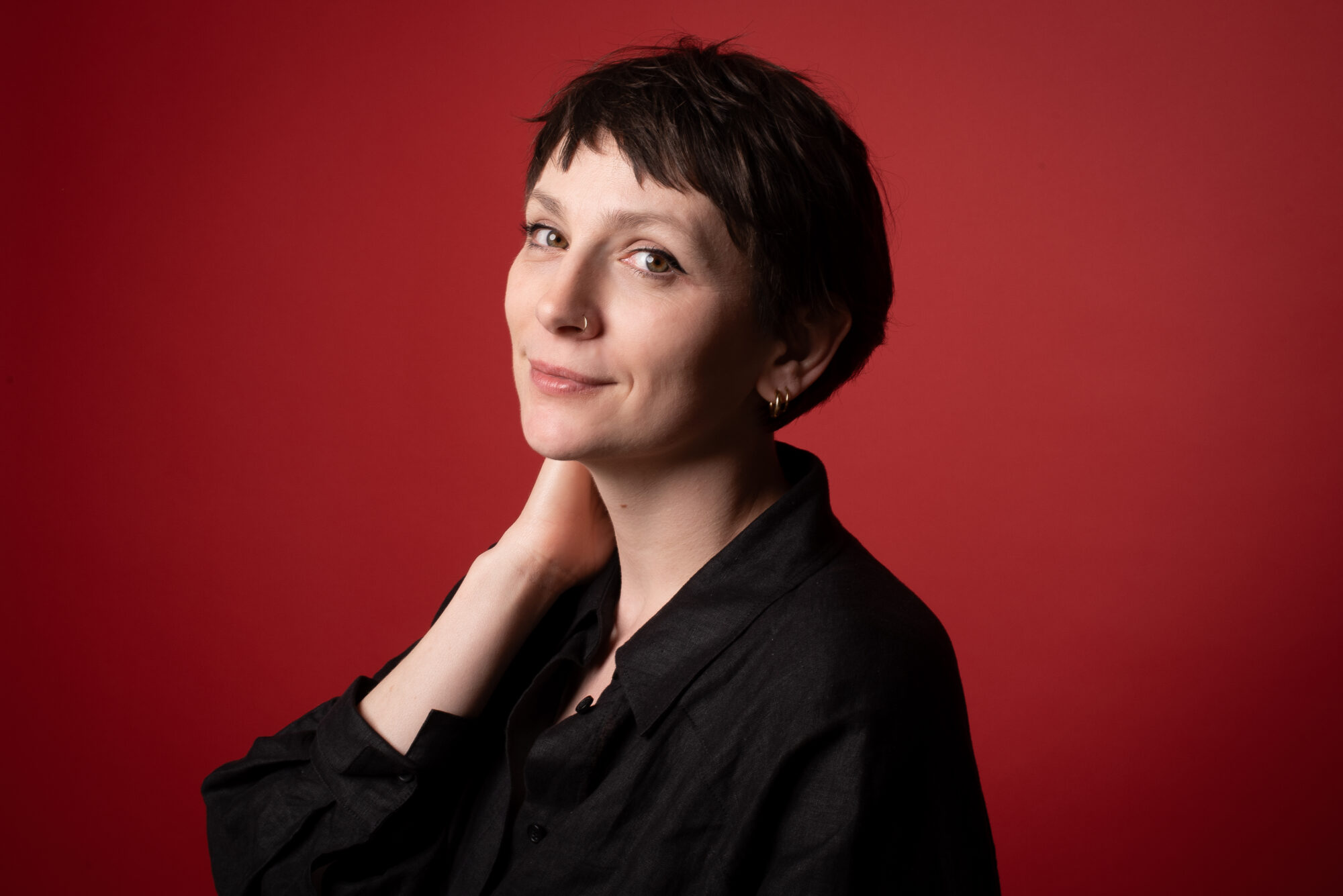
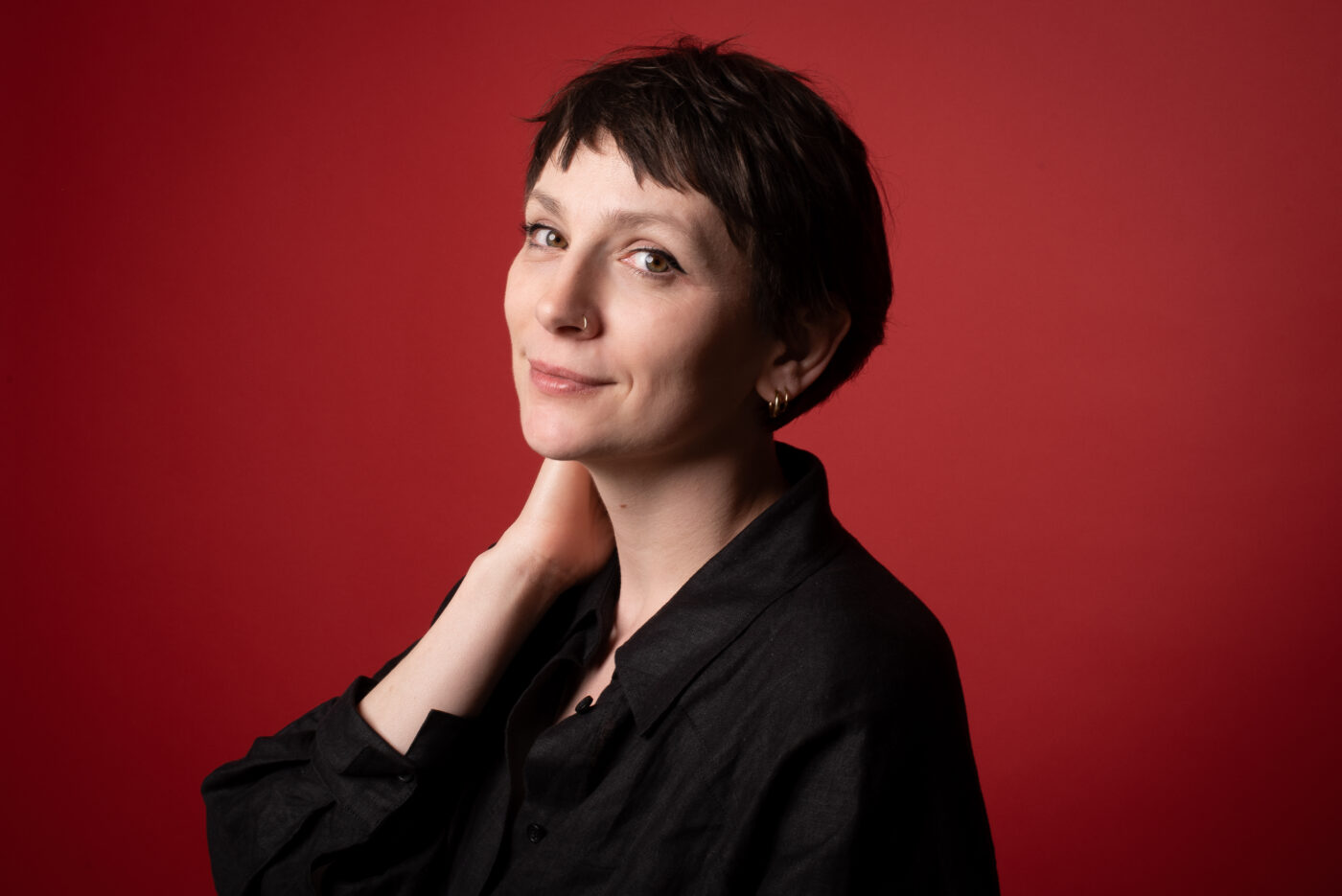
Phoebe Hadjimarkos Clarke
Phœbe Hadjimarkos Clarke (born in 1987) is a French-American writer and translator. Her novels explore the relationships between humans, non-humans, the environment, and late capitalism. Her first novel, Tabor (Éditions du Sabot, 2021) combined queer anticipation and magical dystopia: Mona and Pauli have survived strange, massive, floods, and live together in Tabor, a rustic and ramshackle new world. In her second novel, Aliène (Éditions du Sous-sol, 2024, and France Inter Book Award winner), she once again questions our political futures. Fauvel, a thirty-something wounded by a rubber bullet during a protest, moves to a small, remote French village to dog-sit a friend’s father’s cloned mutt. In an uncanny, gothic atmosphere, the novel explores anxiety, fear, power relations and the alienating forces of our world. Phœbe Hadjimarkos Clarke also writes poetry (most recently 18 Brum’Hair, Rotolux Press, 2023, co-written with Martin Desinde) and is a translator specialising in the humanities. She was a writer-in-residence for a research-creation project in Art & Science at Bétonsalon and Université Paris Cité in 2024–2025.
In collaboration with Université Paris Cité. The France Culture 2026 Student Novel Prize is supported by the Ministry of Higher Education, Research, and Space and by the National Book Center.

